Marque overview
BMW
From homologation-era M cars to modern super sedans, BMW still rewards buyers who understand the generation and the spec.
BMW built its reputation on compact sports sedans, straight-six coupes, and M cars that often changed character dramatically from one generation to the next. That is why this section stays focused on the BMWs buyers still shop as distinct markets. An E30 M3, an E46 M3, a 1M, and an F90 M5 may all wear famous badges, but they are bought for different reasons and judged by very different ownership stories.
Best-known lanes
M3, M4, M5, 1M, Z3 M, Z4 M, Z8
What shapes the buy
Engine, transmission, originality, service file
Why BMW needs context
The badge stays familiar even when the market underneath it changes completely
Model guides
Start with the key BMW guides
Begin with the models enthusiasts actually shop as distinct cars, then go deeper into the generation, drivetrain, rarity, and ownership details that separate a compelling example from an ordinary one.
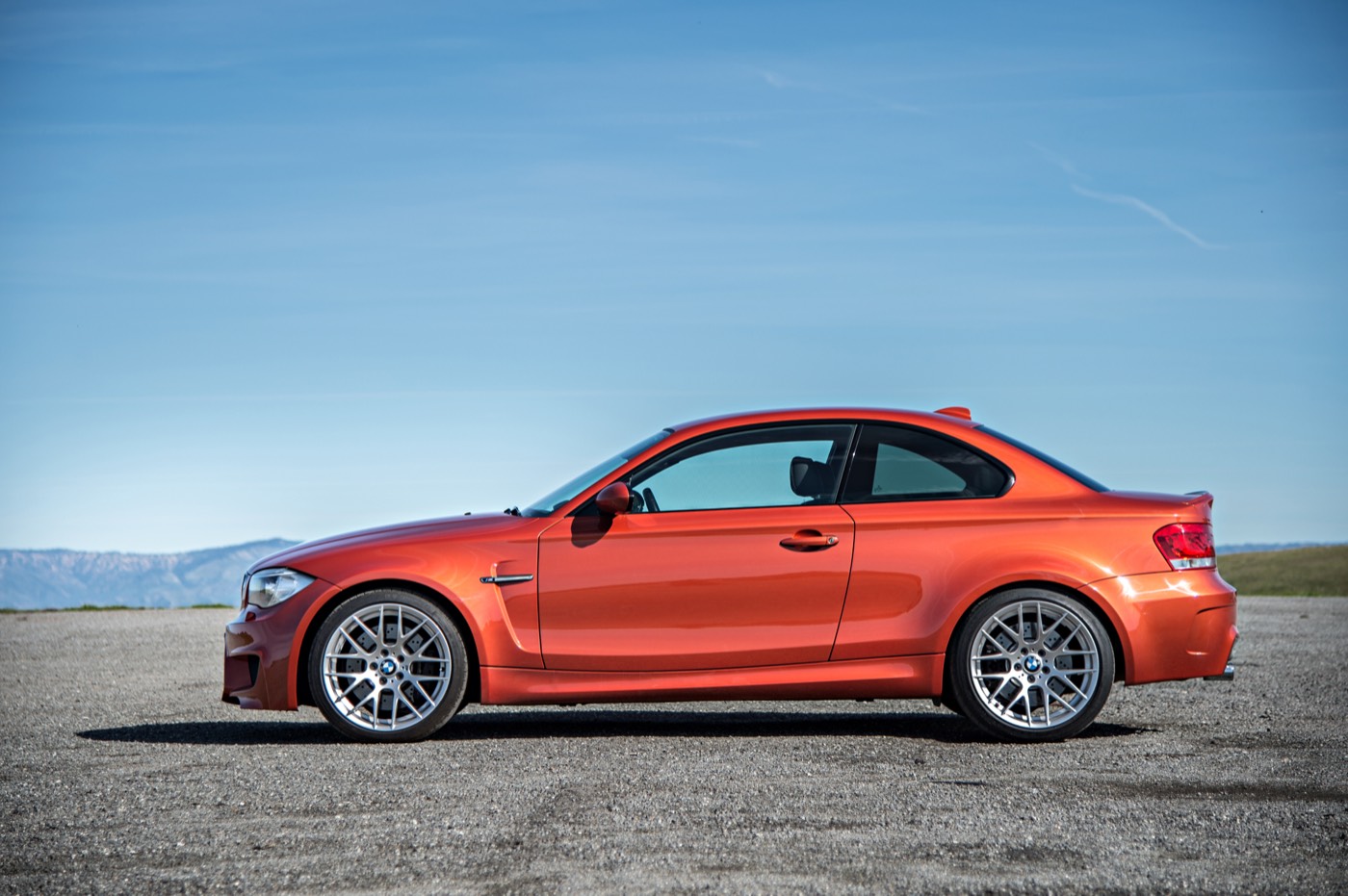
BMW 1M Coupe (E82)
BMW 1M Coupe (E82)
Short-wheelbase menace with modern cult-car gravity.
The 1M sits slightly outside the S54 core, but it belongs in VINthusiast’s early enthusiast orbit because it trades on rarity, manual-only appeal, and a market that reacts sharply to originality and mileage.
Open page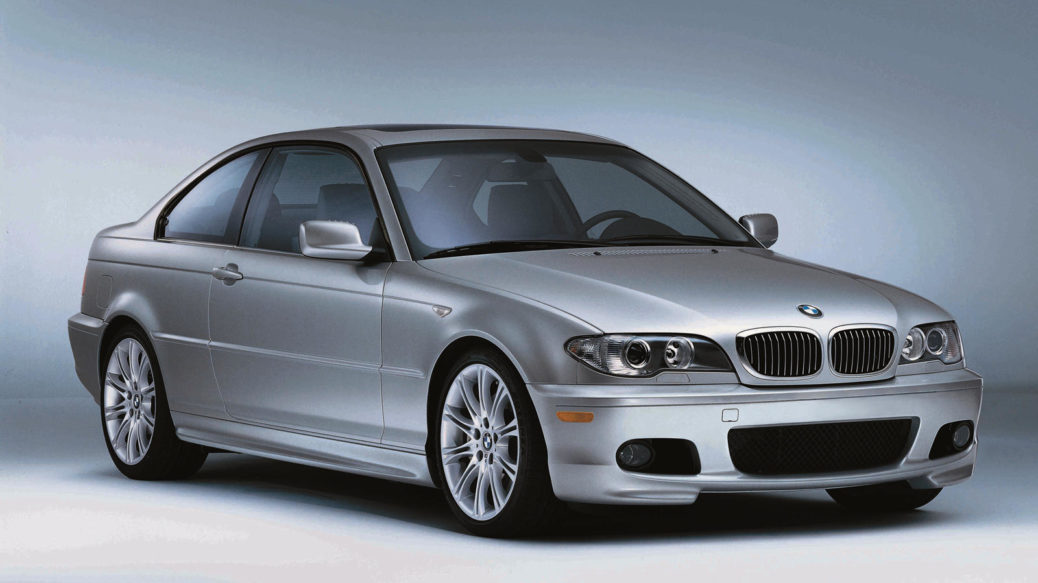
BMW 330 ZHP (E46)
BMW 330 ZHP (E46)
One family, three body styles, and a spec story that matters more than badge myth.
The E46 330 ZHP works better as one family page than three separate top-level models. Sedan, coupe, and convertible all share the same M54-based performance-package formula, but buyers still sort them differently by body style, transmission, and combo rarity.
Open page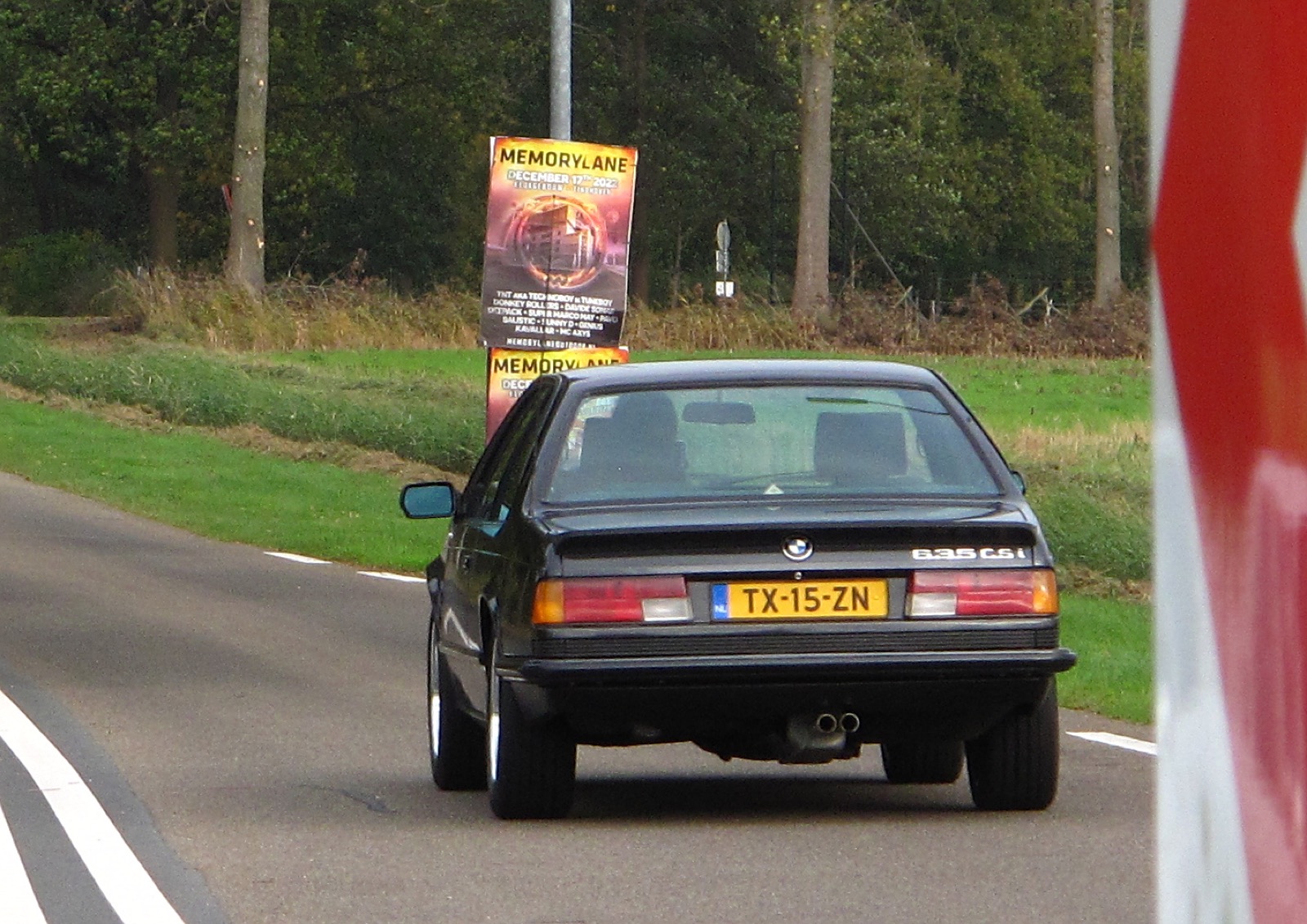
BMW 635CSi (E24)
BMW 635CSi (E24)
Sharknose grand touring BMW with real enthusiast weight.
The 635CSi sits in the BMW enthusiast canon because it blends straight-six smoothness, elegant long-hood proportions, and a market that increasingly rewards the right E24 over generic old-BMW nostalgia.
Open page.jpg&w=3840&q=75)
BMW 850 (E31)
BMW 850 (E31)
V12 BMW grand touring excess with a very thin modern market.
The E31 850 belongs on VINthusiast because it is one of BMW’s defining halo coupes: V12 flagship energy, pillarless grand-touring design, and a market that now splits hard between ordinary surviving cars and genuinely correct, compelling examples.
Open page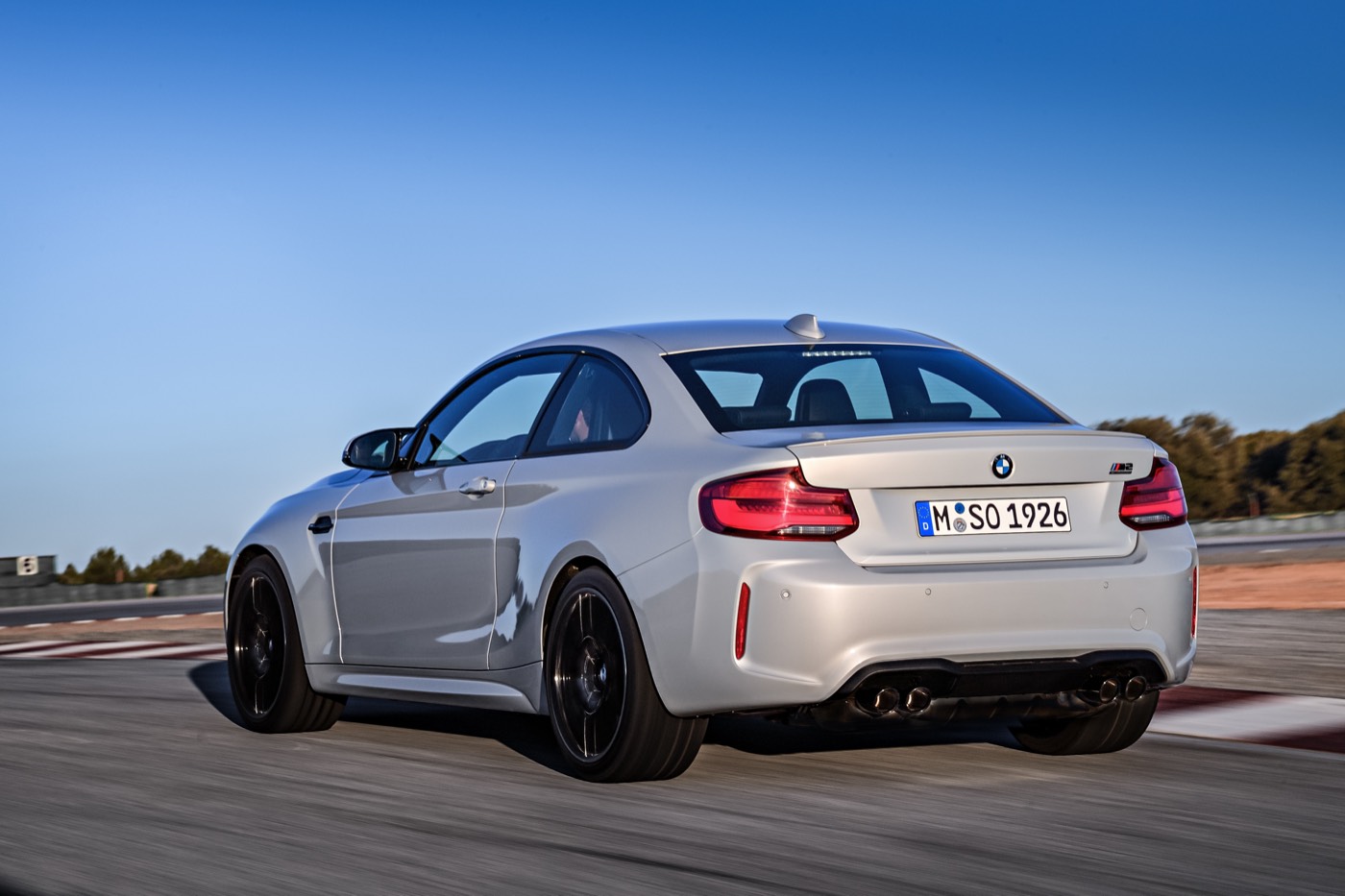
BMW M2 (F87)
BMW M2 (F87)
The modern compact M car that still feels intentionally small.
The F87 M2 is the clean bridge between the older analog BMW M cars and the newer turbo era: short wheelbase, rear-drive balance, usable modern hardware, and a market that still reacts strongly to spec and mileage.
Open page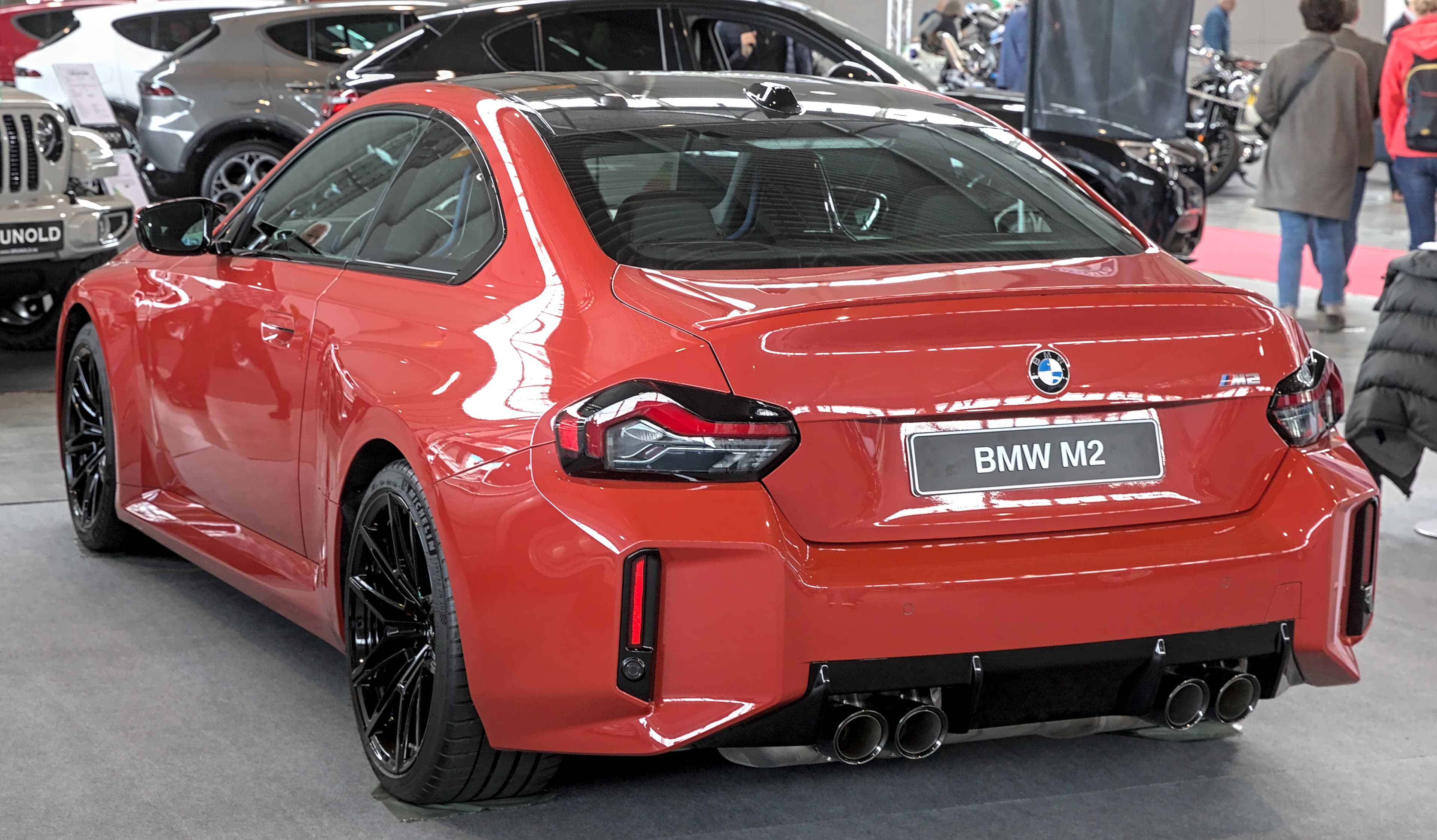
BMW M2 (G87)
BMW M2 (G87)
The modern compact M coupe with S58 pace and far less innocence.
The G87 M2 is the current compact BMW M coupe: wider, heavier, and more serious than the F87, but still the smallest and most legible way into the modern S58 generation.
Open page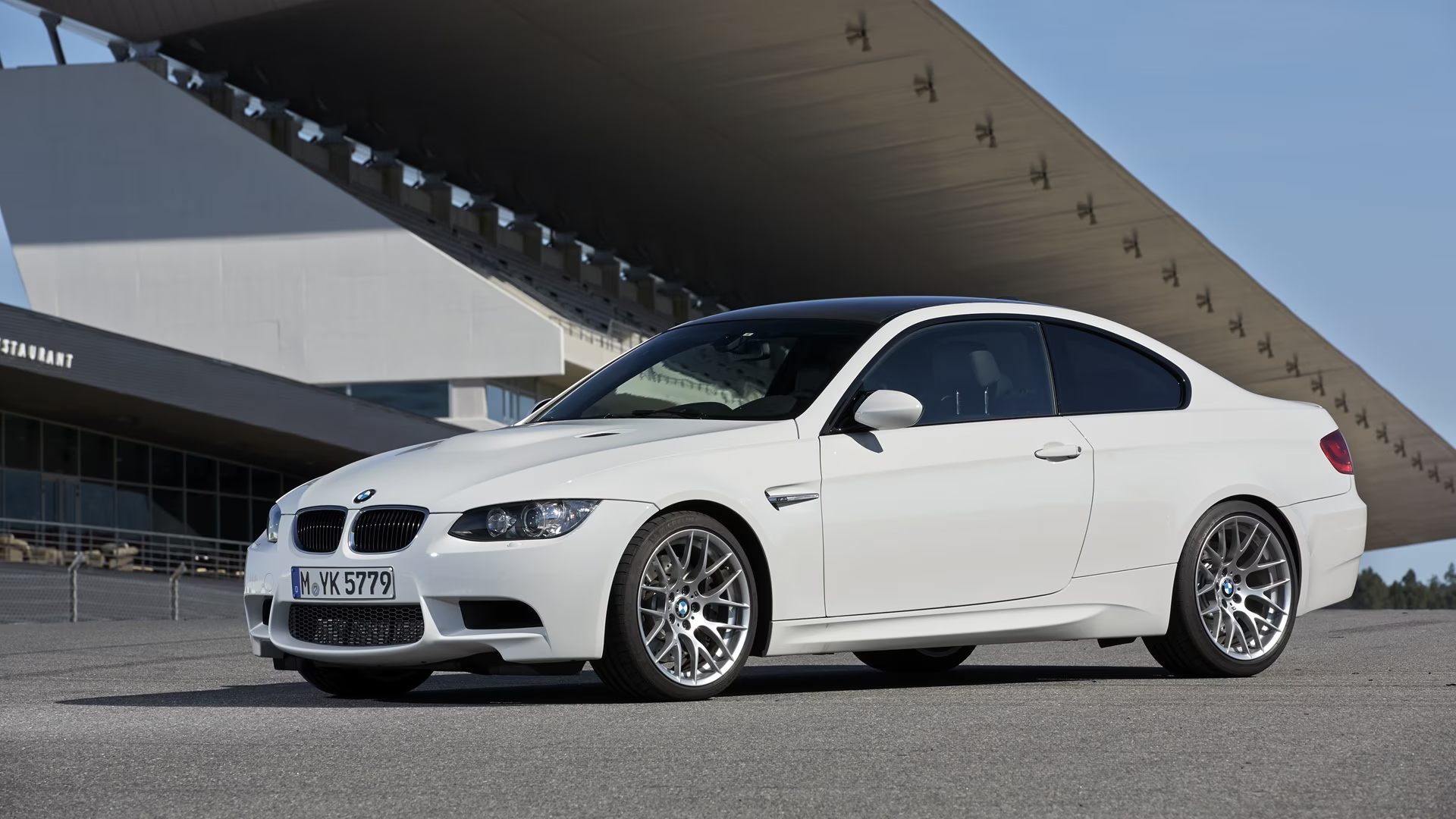
BMW M3 (E9x)
BMW M3 (E9x)
The S65 V8 family: sedan, coupe, and convertible in one naturally aspirated M3 lane.
The E9x M3 family is best understood together: E90 sedan, E92 coupe, and E93 convertible all share the S65 V8 core, but buyers still sort them into different lanes by body style, transmission, Competition Package, and how seriously each car has been maintained.
Open page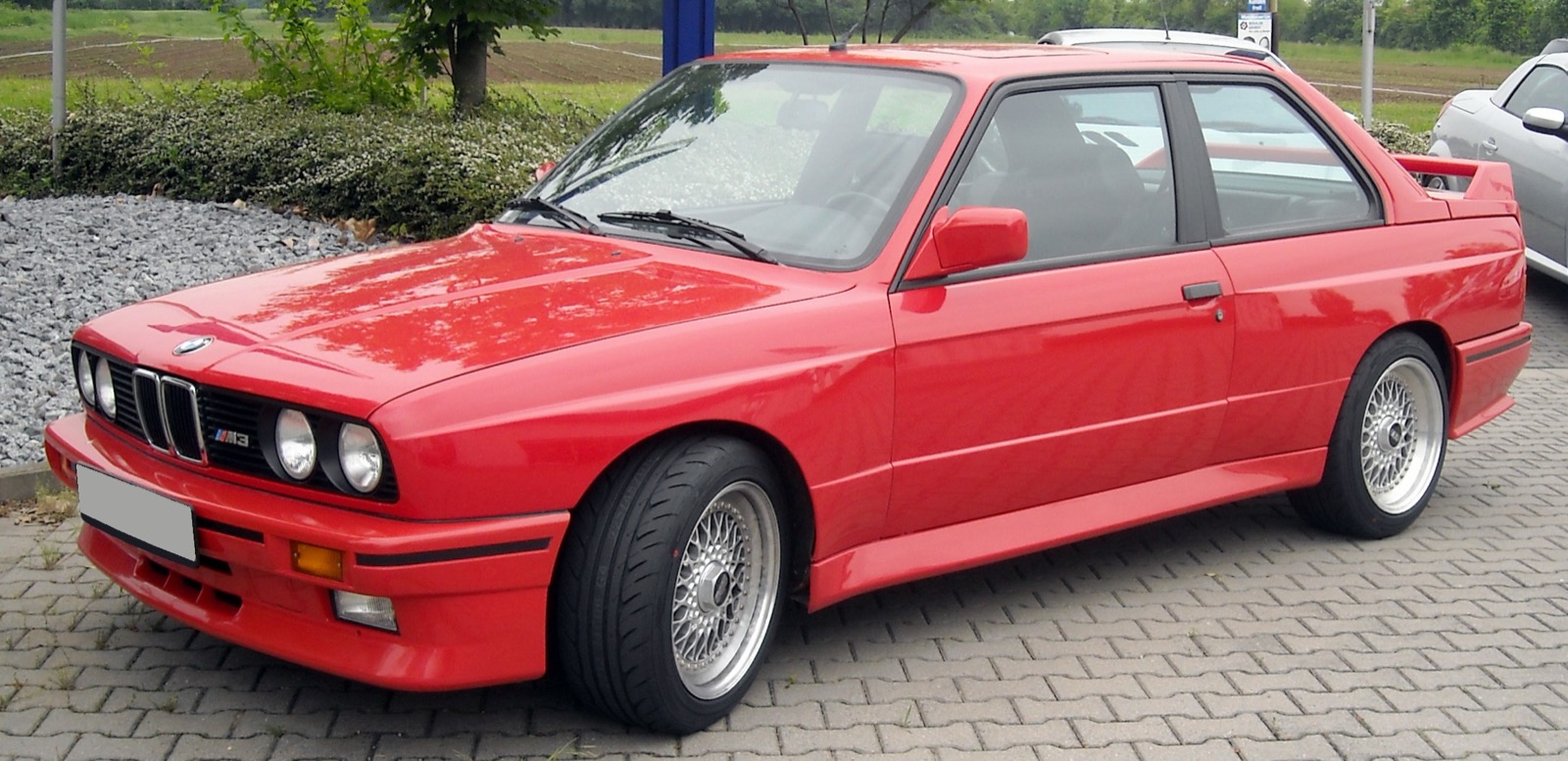
BMW M3 (E30)
BMW M3 (E30)
The homologation icon every later BMW M car still lives under.
The E30 M3 is the foundational halo car: homologation roots, box-flare bodywork, motorsport legitimacy, and a market that already behaves more like collector territory than used-car inventory.
Open page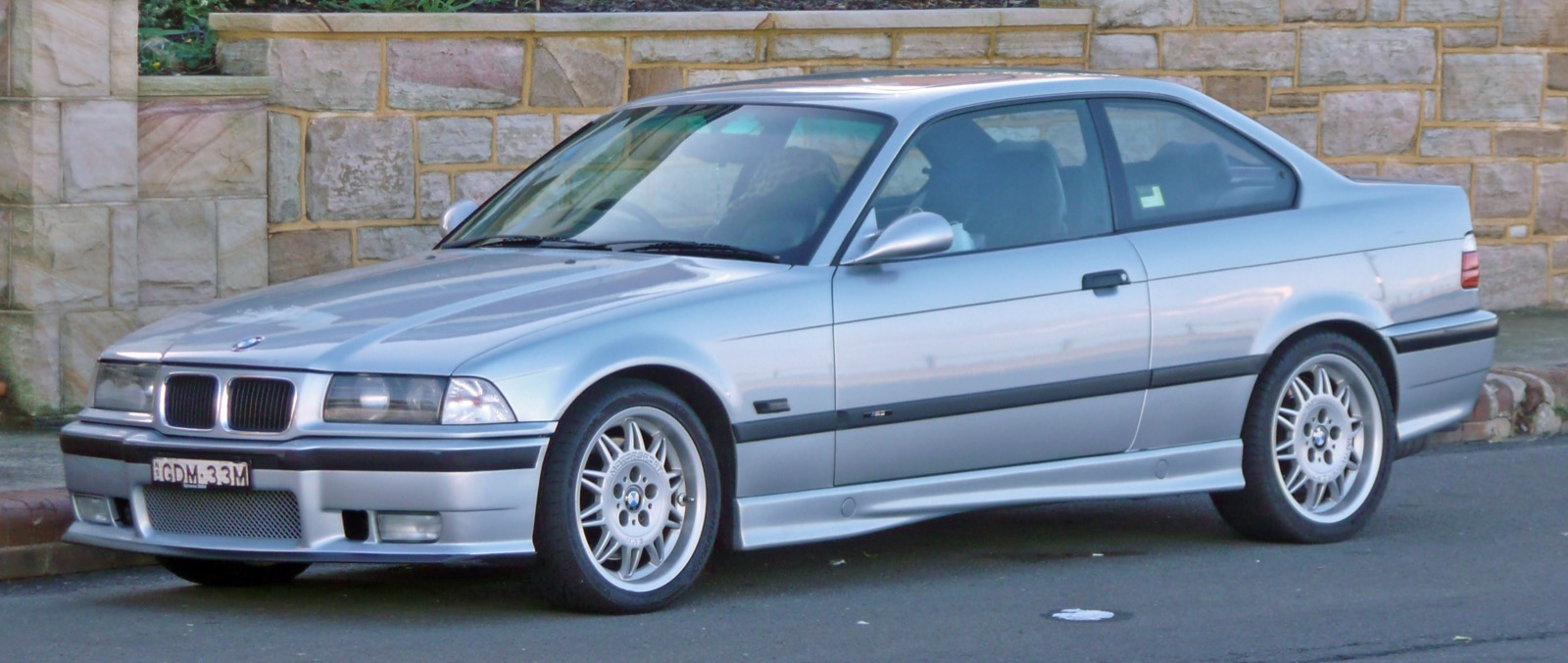
BMW M3 (E36)
BMW M3 (E36)
The M3 that grew up, spread out, and split into very different markets.
The E36 M3 matters because it broadened the M3 into a real-world performance car. It also created a lasting split between Europe’s higher-spec S50 cars and the U.S.-market S52 story, which means buyers cannot treat every E36 M3 as the same thing.
Open page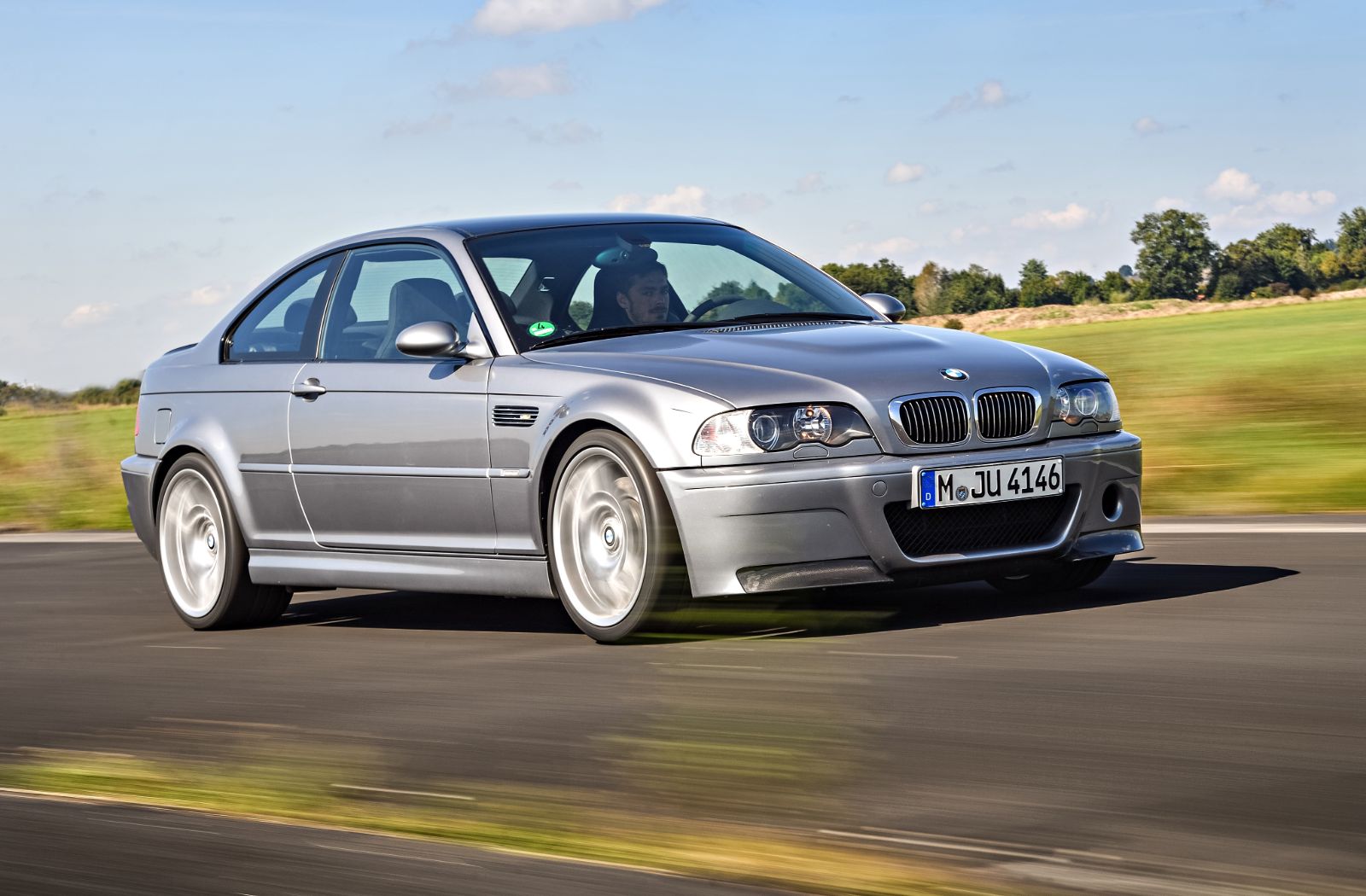
BMW M3 (E46)
BMW M3 (E46)
The benchmark modern analog M car.
The E46 M3 sits at the center of the enthusiast market: hydraulic steering, an 8,000 rpm S54, and enough production volume to reveal meaningful price movement by spec, mileage, and maintenance.
Open page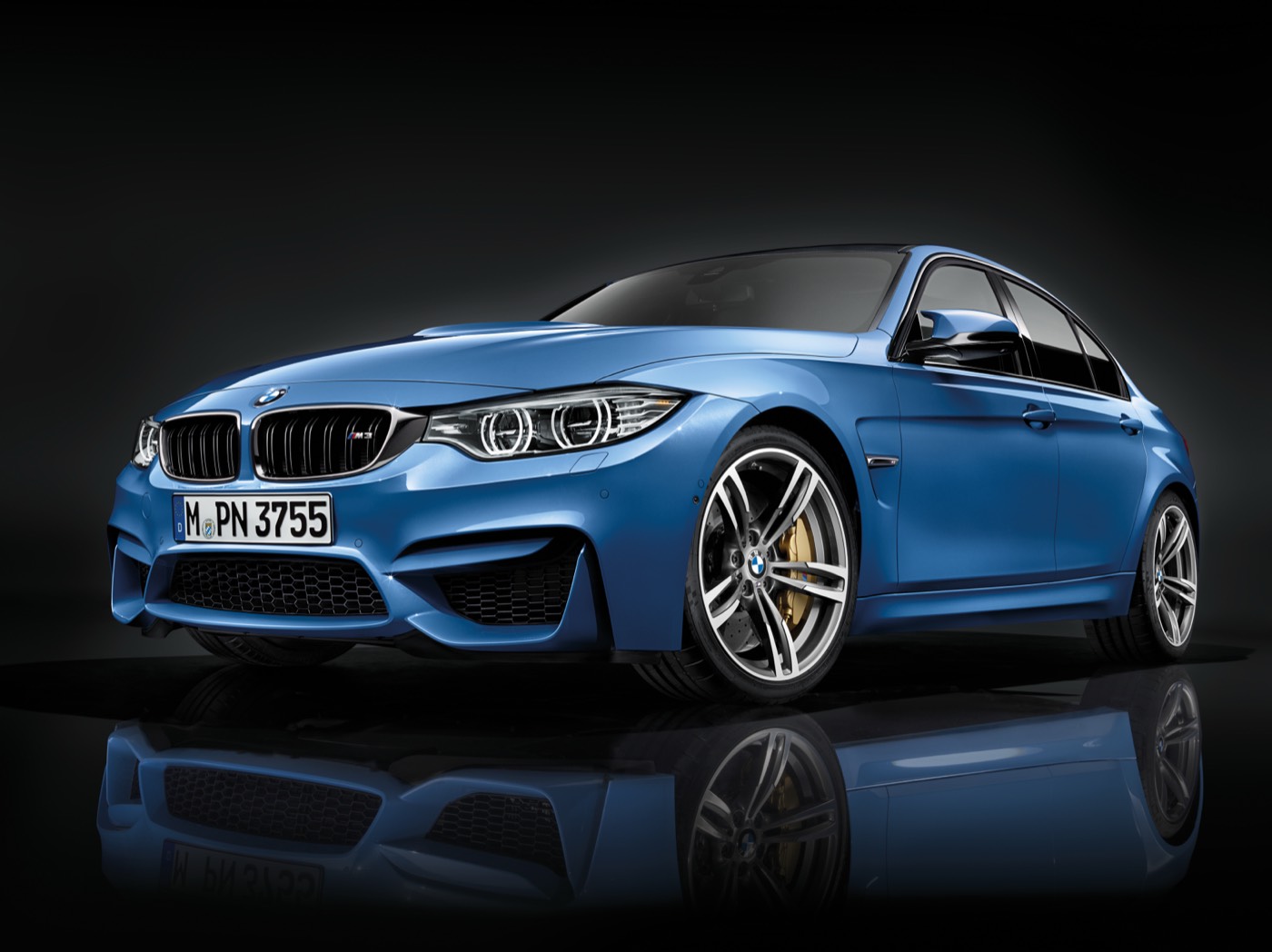
BMW M3 (F80)
BMW M3 (F80)
The turbocharged four-door M3 that reset the modern market.
The F80 M3 is the sedan version of the turbo-era M3 formula: S55 power, real daily usability, and a market that already splits hard by transmission, Competition Package, CS adjacency, mileage, and modification level.
Open page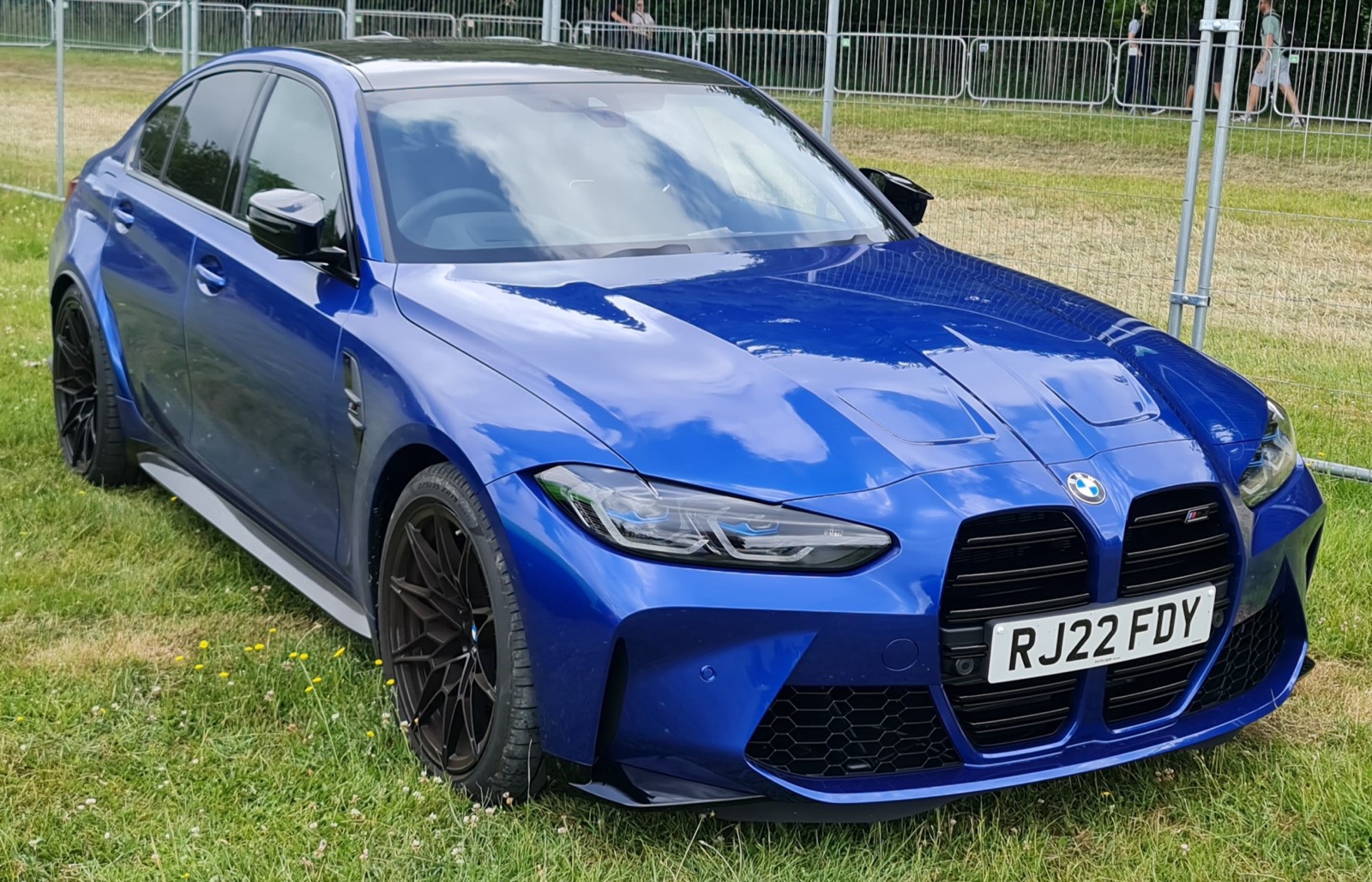
BMW M3 (G80)
BMW M3 (G80)
The modern M3 sedan that made speed, software, and controversy part of the same story.
The G80 M3 is the current-generation sedan lane: huge pace, serious chassis bandwidth, and a market already split by transmission, xDrive, bucket-seat spec, Competition status, and how restrained the car still feels.
Open page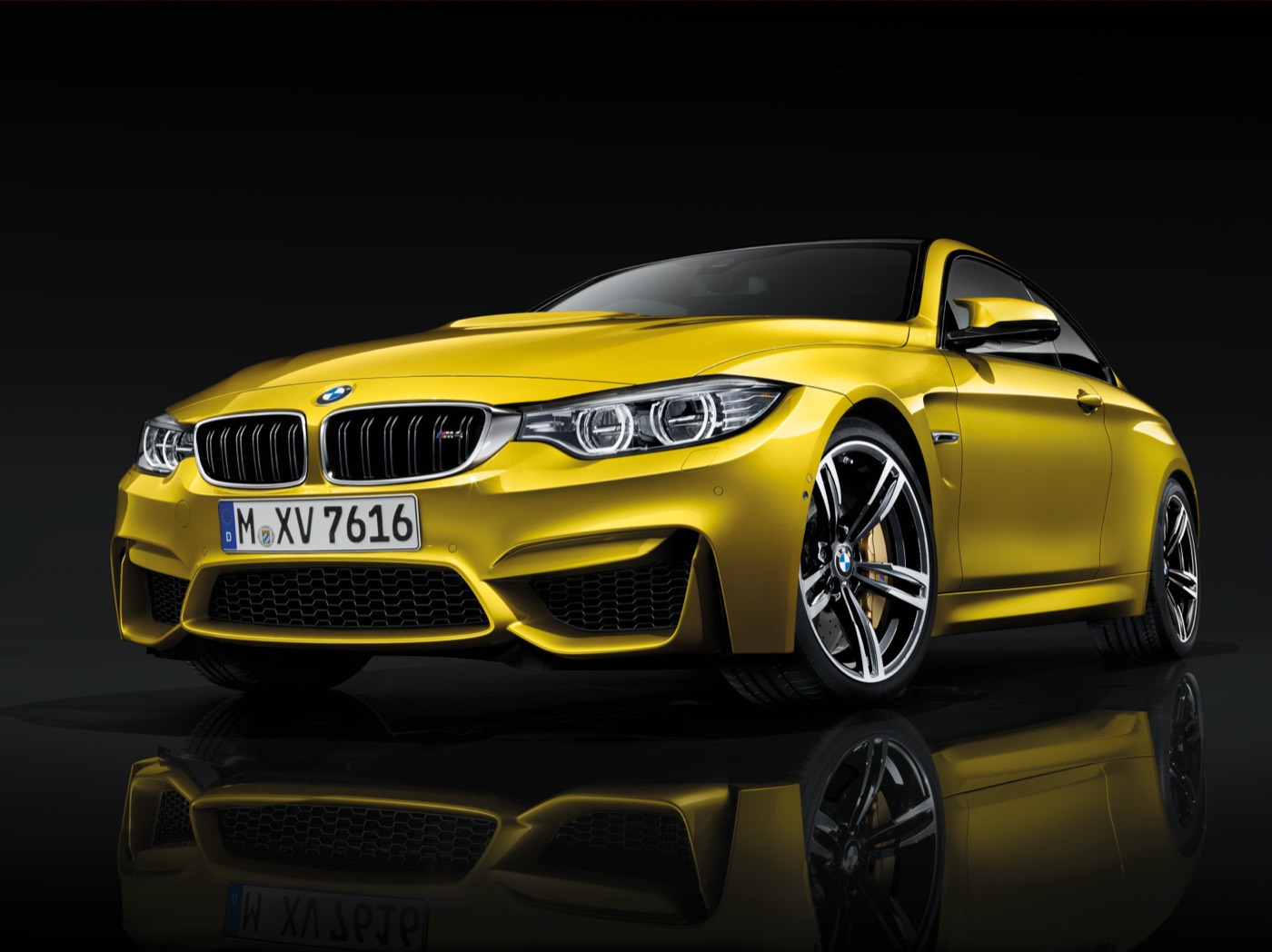
BMW M4 (F82)
BMW M4 (F82)
The turbocharged coupe that defined the S55 era for a whole buyer class.
The F82 M4 is the coupe counterpart to the F80 formula: S55 power, broader visual drama, and a market that splits fast by manual versus DCT, Competition Package, modification level, and overall originality.
Open page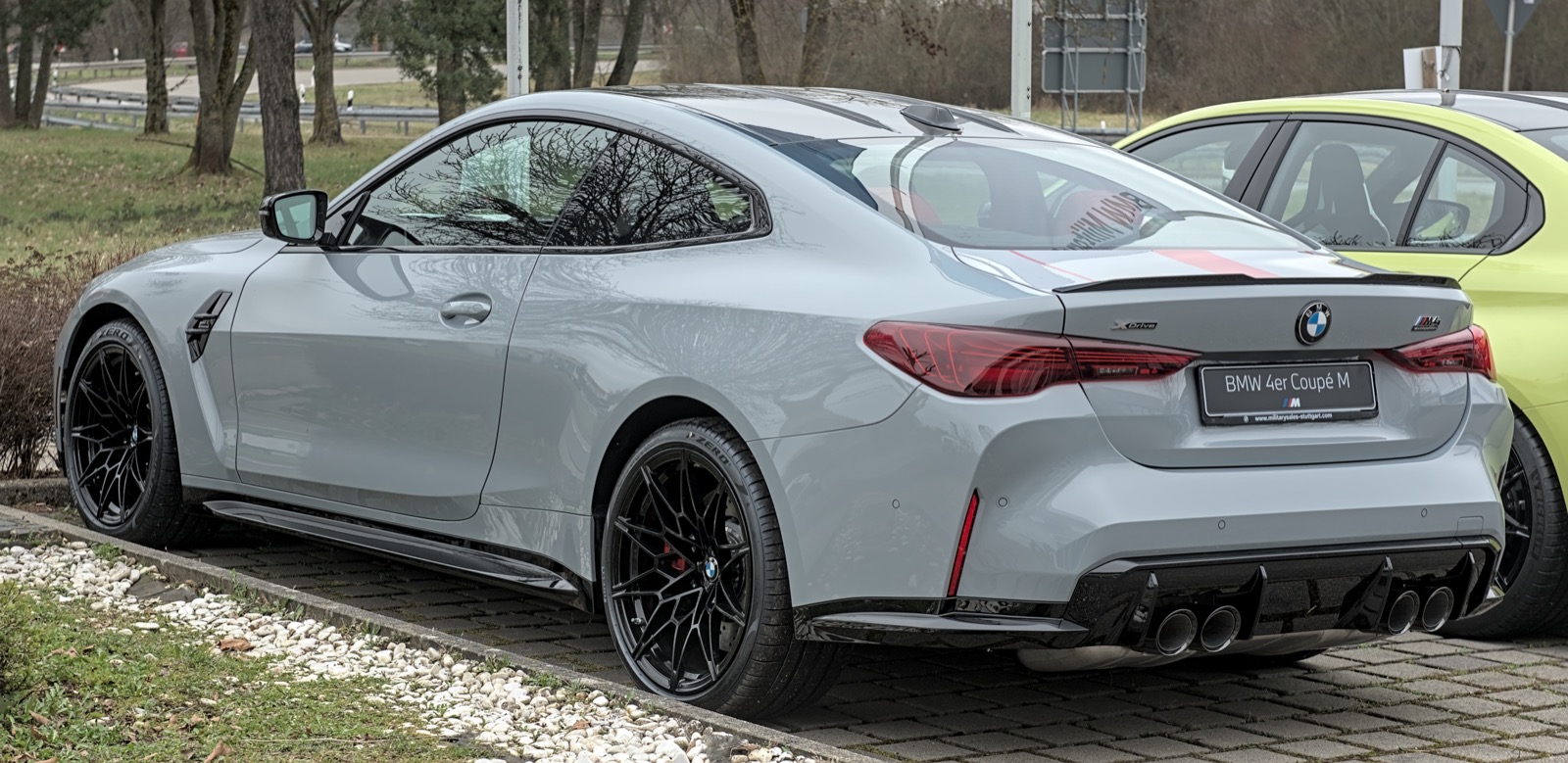
BMW M4 (G82)
BMW M4 (G82)
The wide-shouldered current M4 coupe that turned modern M speed into a visual statement.
The G82 M4 is the coupe branch of the latest M3/M4 generation: S58 power, huge capability, and a market where transmission, xDrive, buckets, CSL adjacency, and visual taste all split buyers quickly.
Open page_Washington_DC_Metro_Area%2C_USA.jpg&w=3840&q=75)
BMW M4 Convertible (F83)
BMW M4 Convertible (F83)
The S55 convertible that trades roof rigidity for event value.
The F83 M4 is the open-top branch of the S55 family: heavier, less pure than the coupe, but still a real M car with a buyer lane built around usable pace, open-air drama, and specification discipline.
Open page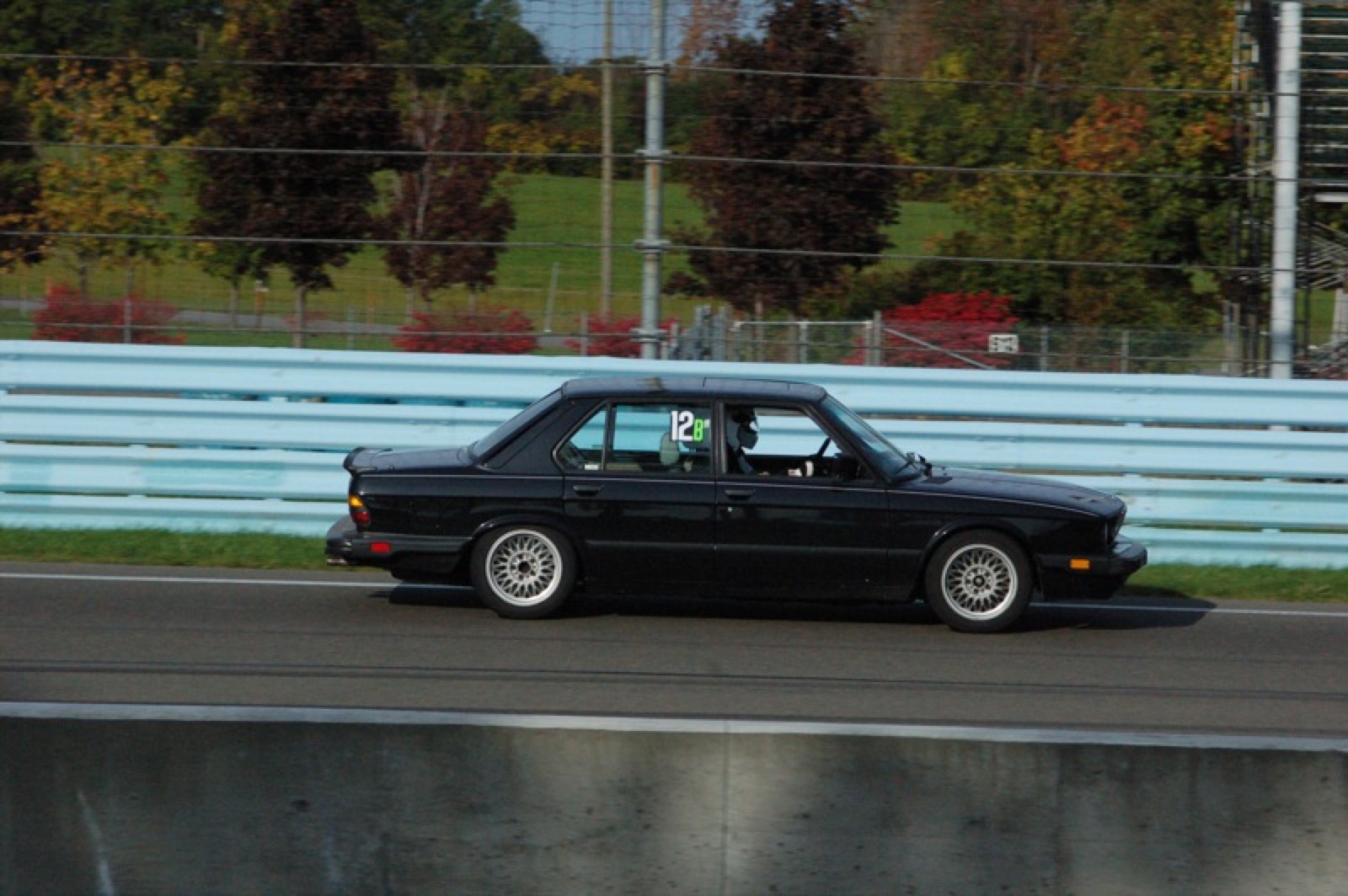
BMW M5 (E28)
BMW M5 (E28)
The first M5 and the quiet origin point of the fast executive sedan.
The E28 M5 matters because it set the template: discreet four-door body, hand-built inline-six power, and a market that values provenance and correctness more than raw production volume alone.
Open page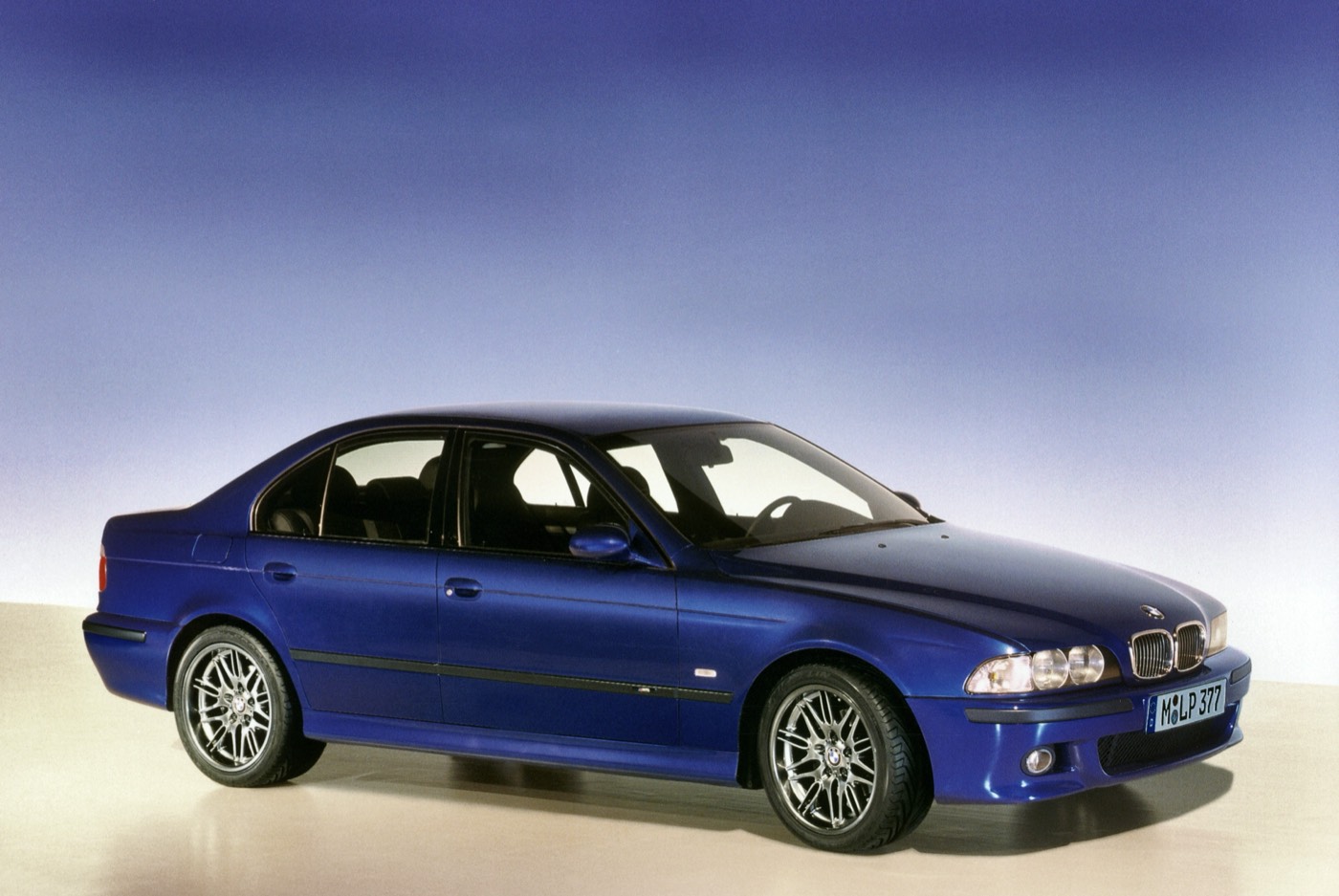
BMW M5 (E39)
BMW M5 (E39)
The original V8 super sedan that still defines the idea.
The E39 M5 is the hand-built-feeling sport sedan that turned subtle BMW proportions and a big naturally aspirated V8 into one of the most sought-after modern classics. Buyers care about originality, timing-chain-guide fear, and whether the car still feels like a complete factory weapon instead of a tired executive sedan.
Open page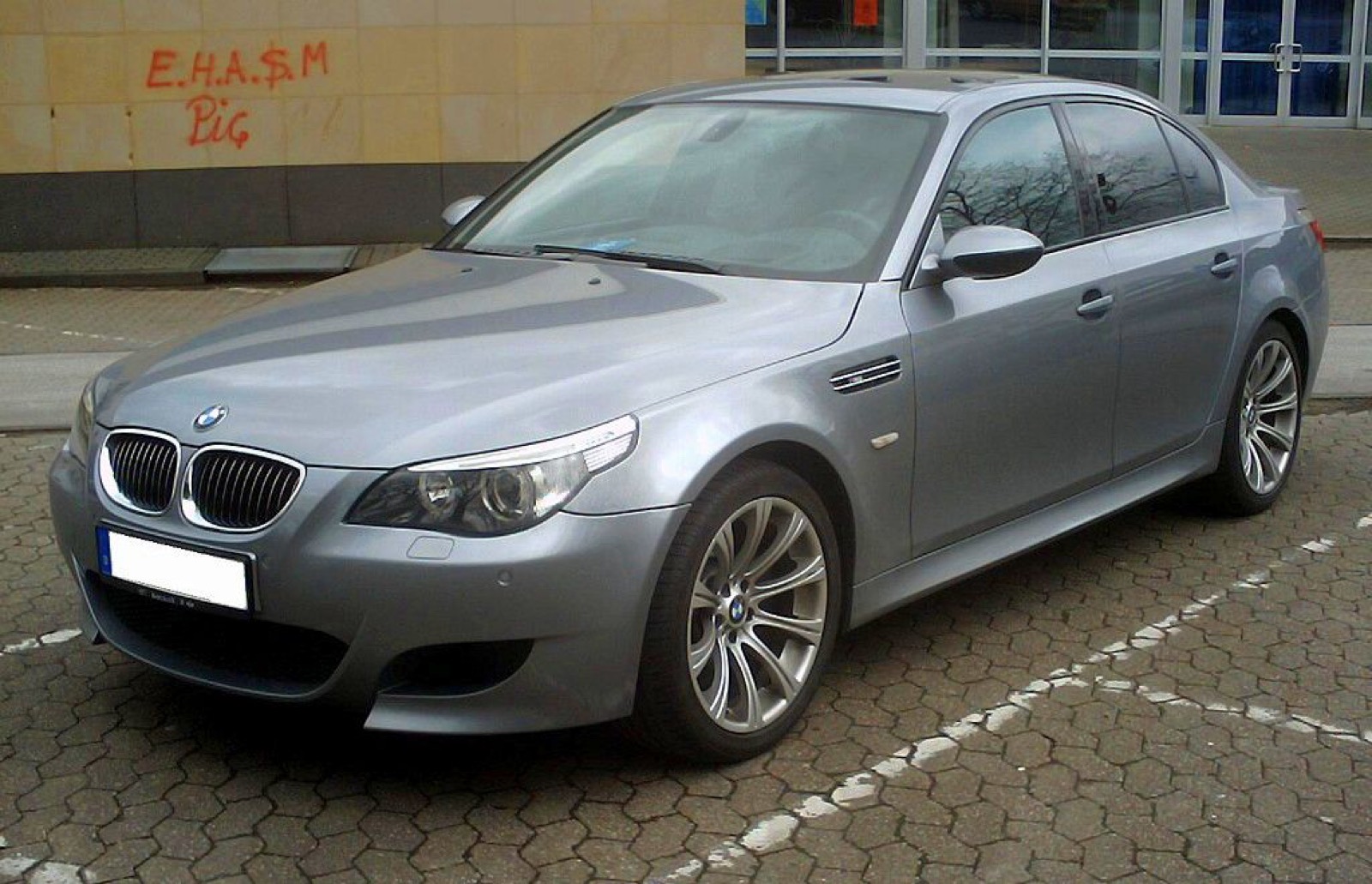
BMW M5 (E60)
BMW M5 (E60)
The V10 supersedan that still feels slightly unreasonable.
The E60 M5 is one of BMW M’s loudest technical statements: a 5.0-liter V10, a huge redline, and a market that now separates brave bargain hunters from buyers who understand what a fully sorted S85 car is actually worth.
Open page.jpg&w=3840&q=75)
BMW M5 (F10)
BMW M5 (F10)
Twin-turbo torque, huge speed, and a calmer kind of authority.
The F10 M5 is the M5 that moved the formula into the modern turbo era: enormous torque, huge real-world pace, and a buyer pool that shops spec discipline, Competition Package, and condition more than old-school hand-built mythology.
Open page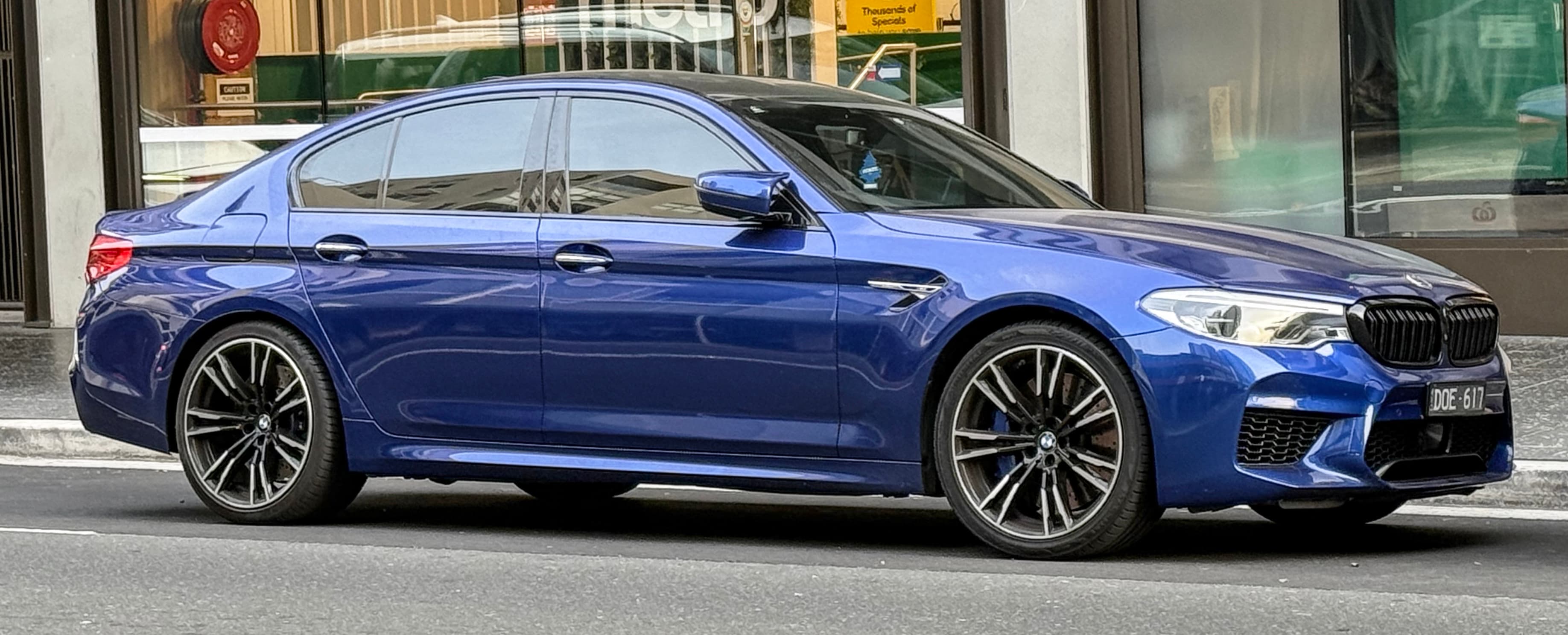
BMW M5 (F90)
BMW M5 (F90)
The all-weather super-sedan that turned the M5 into a modern missile.
The F90 M5 is the M5 in full modern form: xDrive traction, twin-turbo S63 power, immense real-world speed, and a market that already separates standard, Competition, and CS cars into distinct buyer lanes.
Open page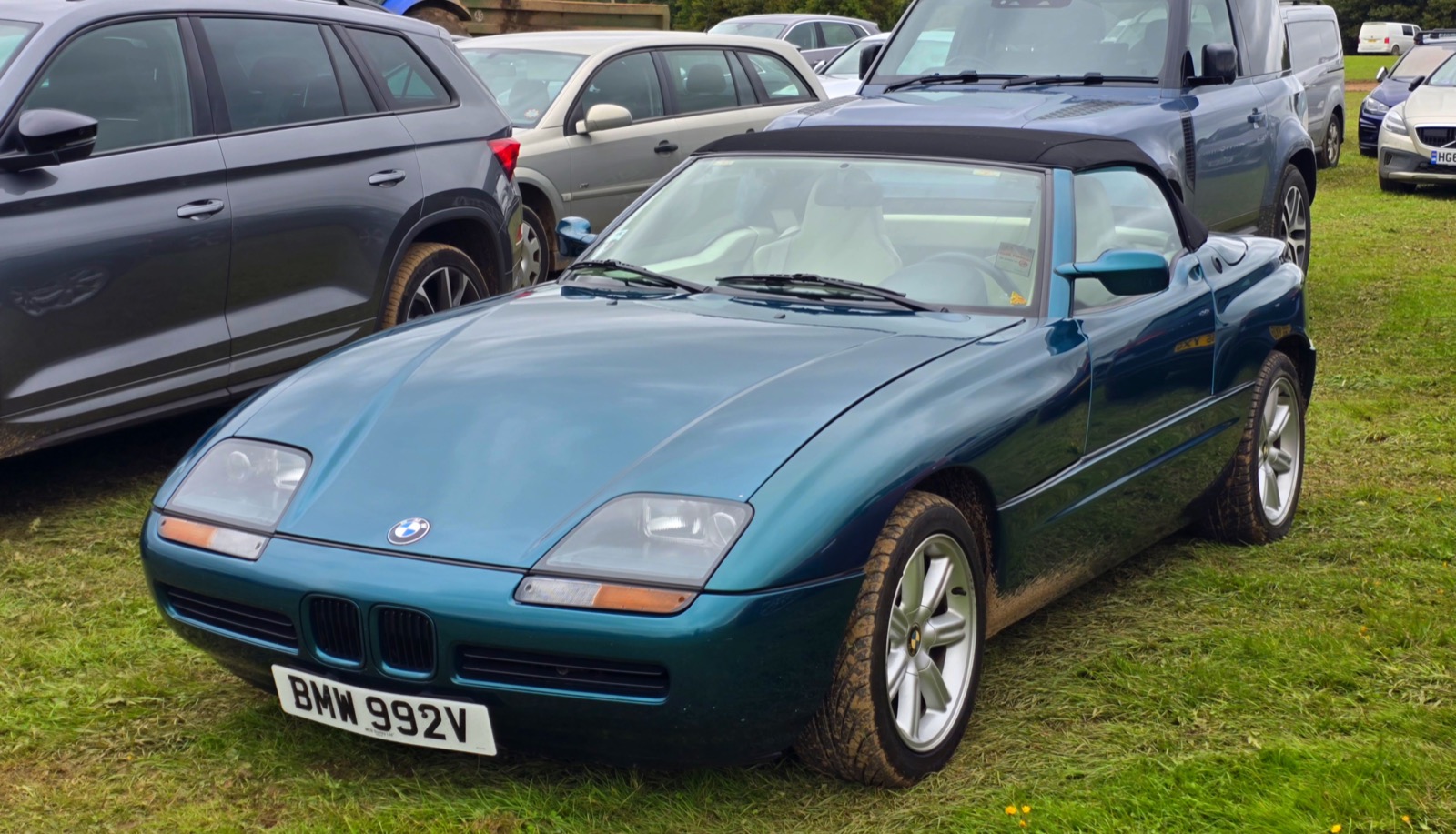
BMW Z1
BMW Z1
The doors-in-the-sills BMW experiment that became a cult object.
The Z1 is one of BMW’s strangest and most charming enthusiast cars: plastic body panels, disappearing doors, roadster format, and a cult following built on design daring more than outright performance numbers.
Open page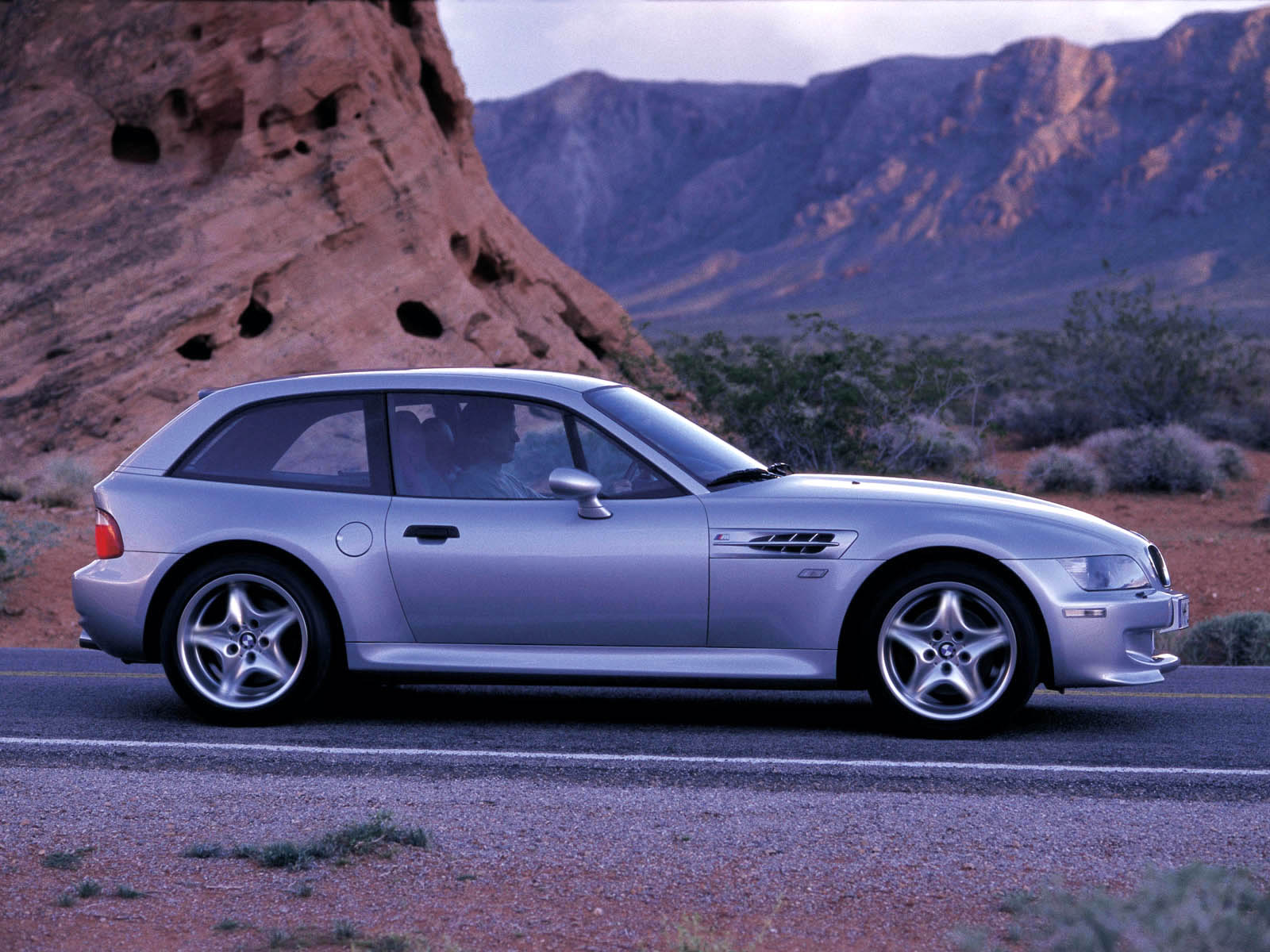
BMW Z3 M Coupe (E36/8)
BMW Z3 M Coupe (E36/8)
The clownshoe icon with thin data and huge enthusiast pull.
The Z3 M Coupe trades on rarity, shape, and originality more than almost anything else in this early VINthusiast market. Because the data pool is thinner, documentation and maintenance context carry even more weight.
Open page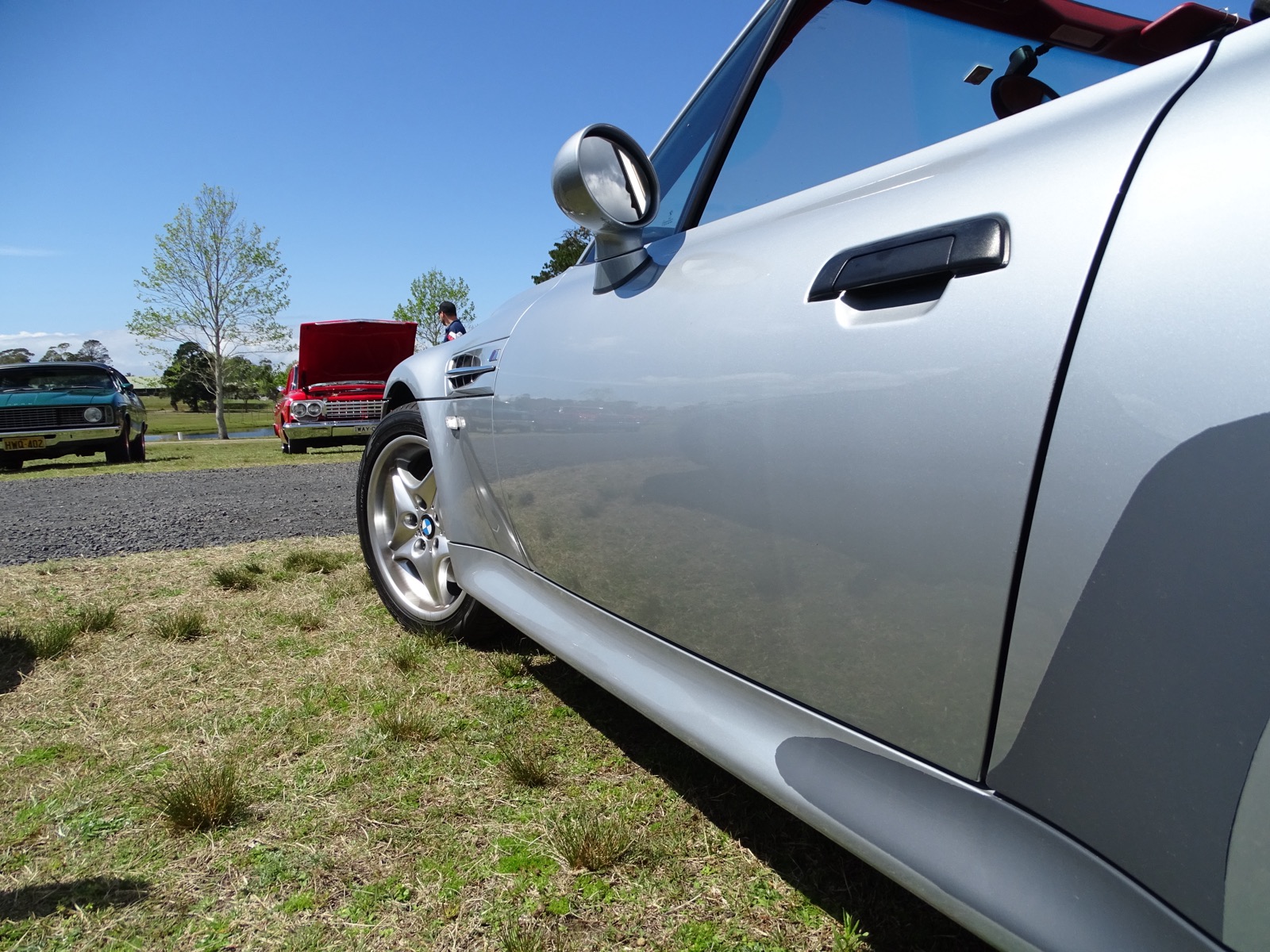
BMW Z3 M Roadster (E36/7)
BMW Z3 M Roadster (E36/7)
The open-top S52/S54 M car that trades polish for immediacy.
The Z3 M Roadster sits in a different lane than the Coupe: less rarity theater, more open-air analog M character. Buyers still care about engine split, originality, and maintenance, but the roadster market rewards usable, honest cars more than oddball mystique.
Open page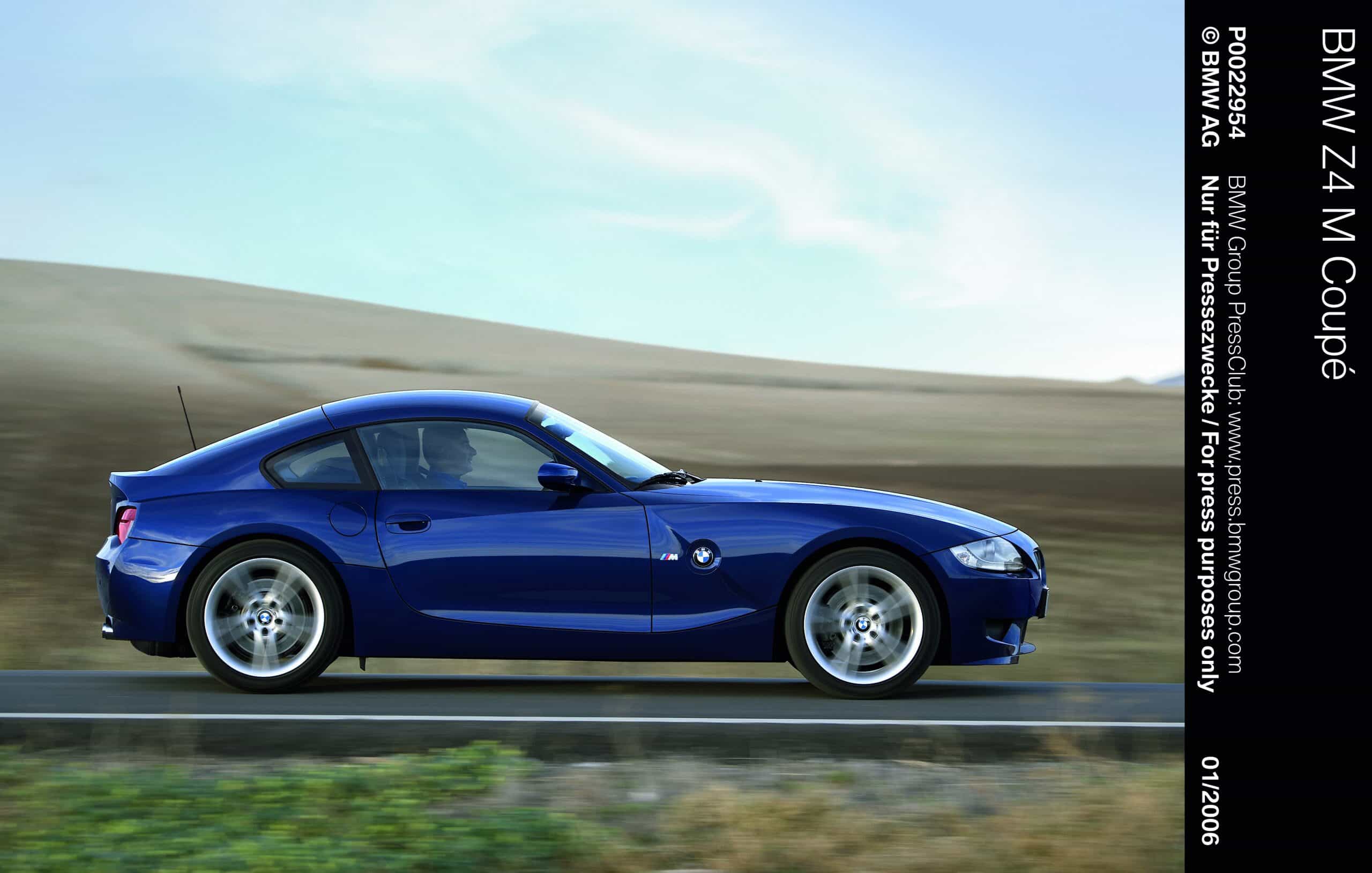
BMW Z4 M Coupe (E86)
BMW Z4 M Coupe (E86)
The hardtop S54 car that still feels under-discovered.
The Z4 M Coupe is a compact, high-drama S54 chassis with a shorter wheelbase, more divisive styling, and a market that rewards clean ownership history more than sheer option count.
Open page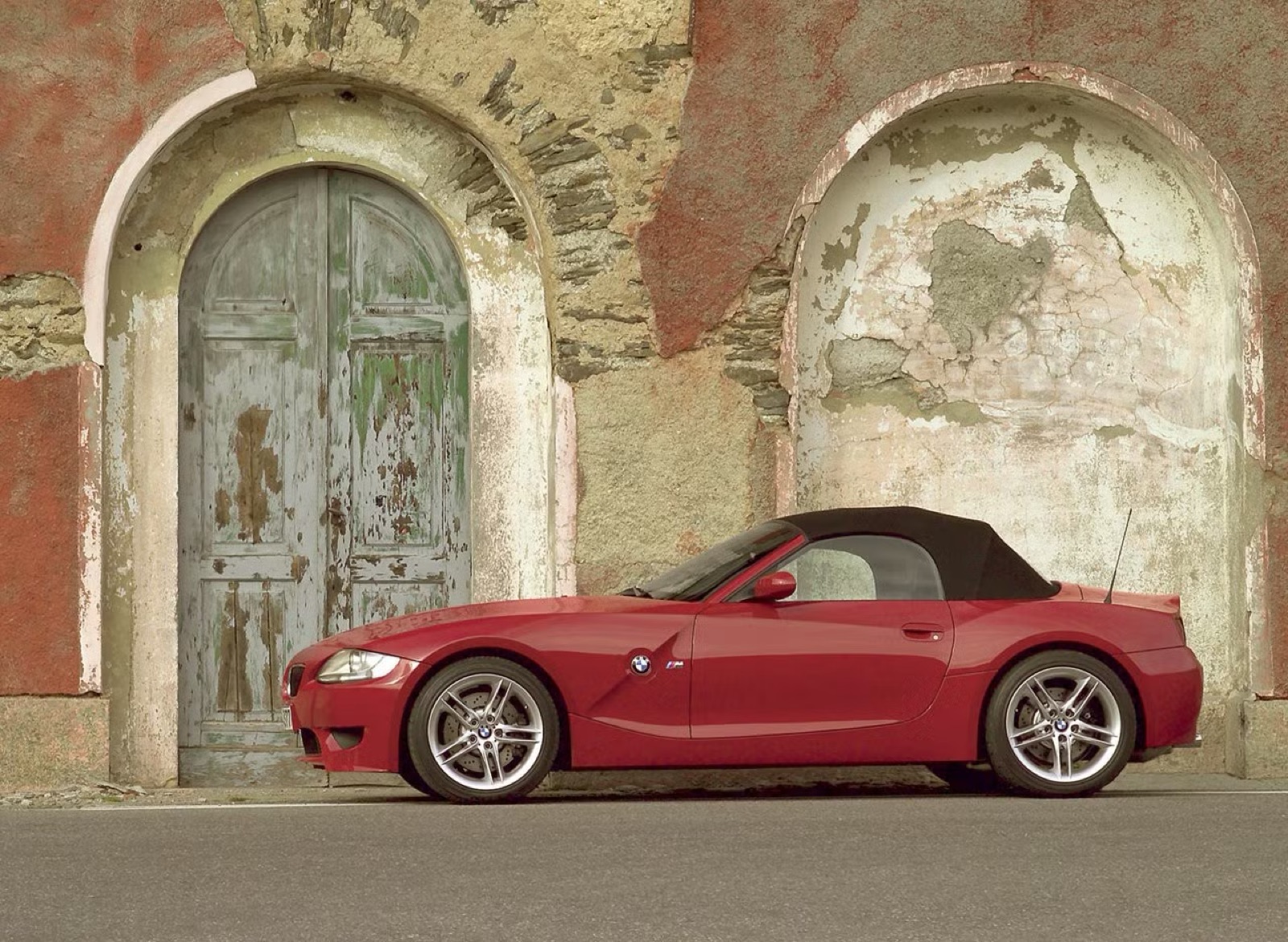
BMW Z4 M Roadster (E85)
BMW Z4 M Roadster (E85)
Open-top S54 drama with a broader value spread.
The Z4 M Roadster delivers the same S54 experience with a softer market ceiling than the coupe, making it one of the more accessible ways into an analog modern M car.
Open page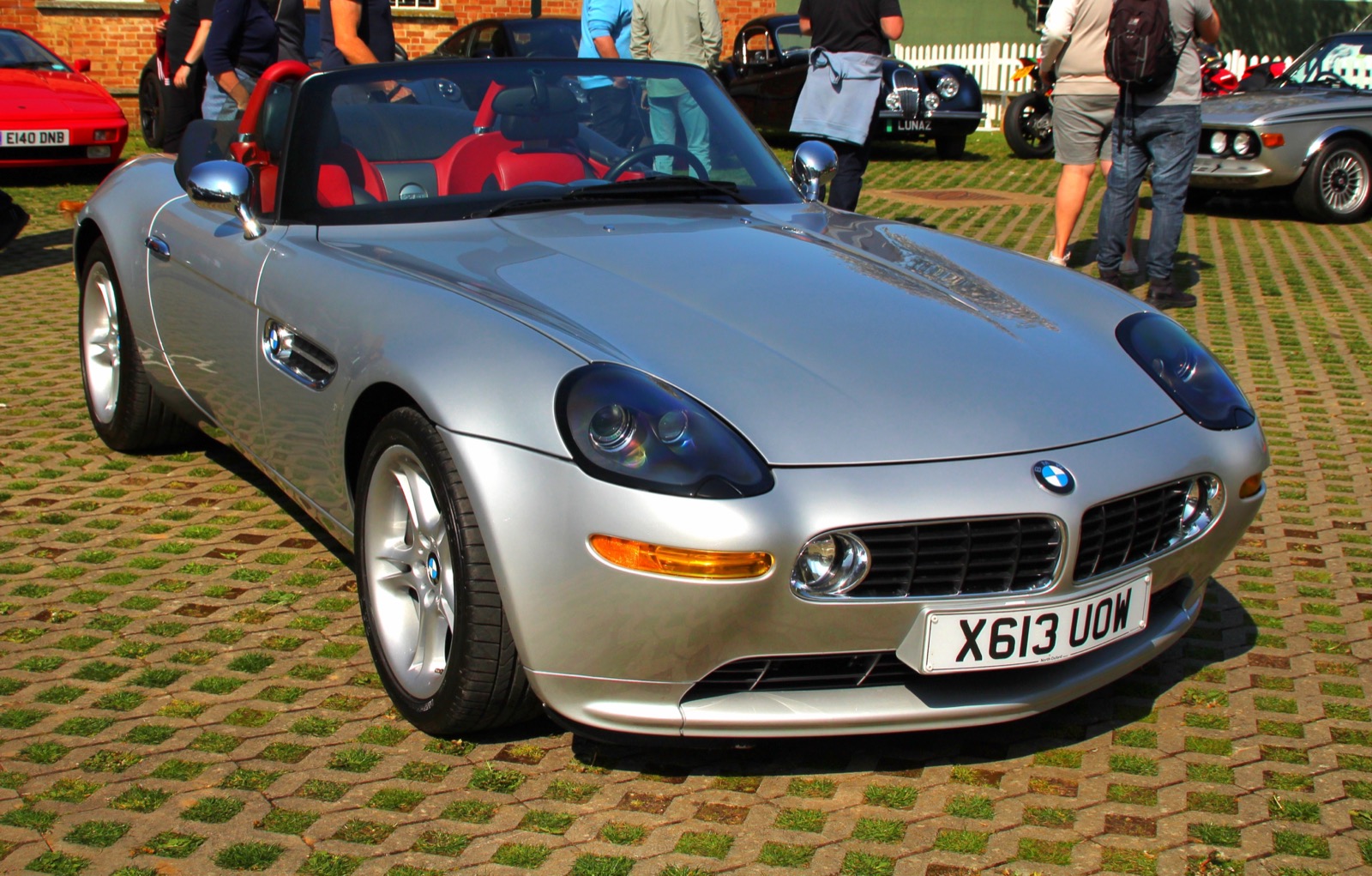
BMW Z8
BMW Z8
Retro-futurist halo car with one of the strongest BMW collector narratives.
The Z8 sits in the halo lane: low volume, aluminum-intensive construction, S62 V8 power, and a market driven as much by cultural status and completeness as by normal enthusiast-car comp logic.
Open page