Model Focus

BMW 635CSi (E24)

Sharknose grand touring BMW with real enthusiast weight.

The 635CSi sits in the BMW enthusiast canon because it blends straight-six smoothness, elegant long-hood proportions, and a market that increasingly rewards the right E24 over generic old-BMW nostalgia.

Visual details

3 shots
BMW 635CSi front three-quarter
BMW 635CSi side profile
BMW 635CSi rear three-quarter

Character

Sharknose grand touring BMW with real enthusiast weight.

Market lens

Spec, mileage, service, originality

VINthusiast

Enthusiast-first market intelligence with real ownership context

Why enthusiasts love it

  • One of BMW’s strongest GT shapes
  • Big-six smoothness with real road presence
  • Collector interest without totally leaving driver-car territory

Common issues

  • Rust, trim wear, and deferred age-related restoration change the buying equation fast
  • Interior and electrical condition matter more than sellers often admit
  • The market separates finished cars from nice-looking partial restorations very quickly

5 key facts

The fast way to understand the car

buyer context first

Engine

M30 3.5L inline-six

Identity

E24 grand touring coupe

Gearbox

Manual or automatic

Market lane

Collector-grade analog GT

Buyer split

U.S. driver cars vs Euro purist cars

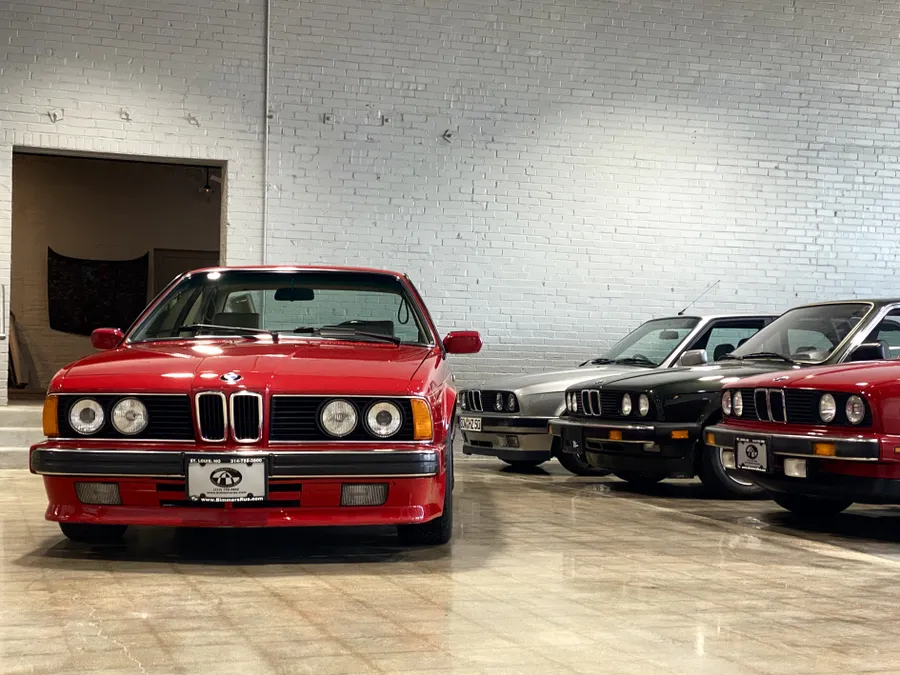
BMW 635CSi front three-quarter

Shape

The E24 still wins the room on proportions alone

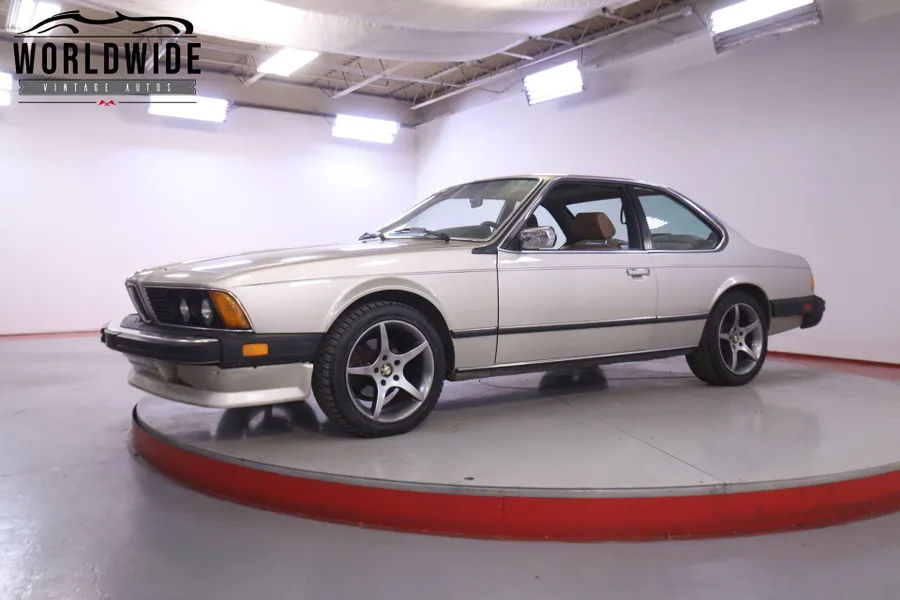
The 635CSi matters because the sharknose coupe shape is already enough to pull buyers in. Hood length, low greenhouse, and thin-pillared BMW GT design are most of the emotional story before the drivetrain even enters the conversation.

Buyer relevance now

That makes originality, bumper treatment, wheel choice, and paint quality unusually important. This is a car where tasteful correctness reads instantly and bad cosmetic choices do too.

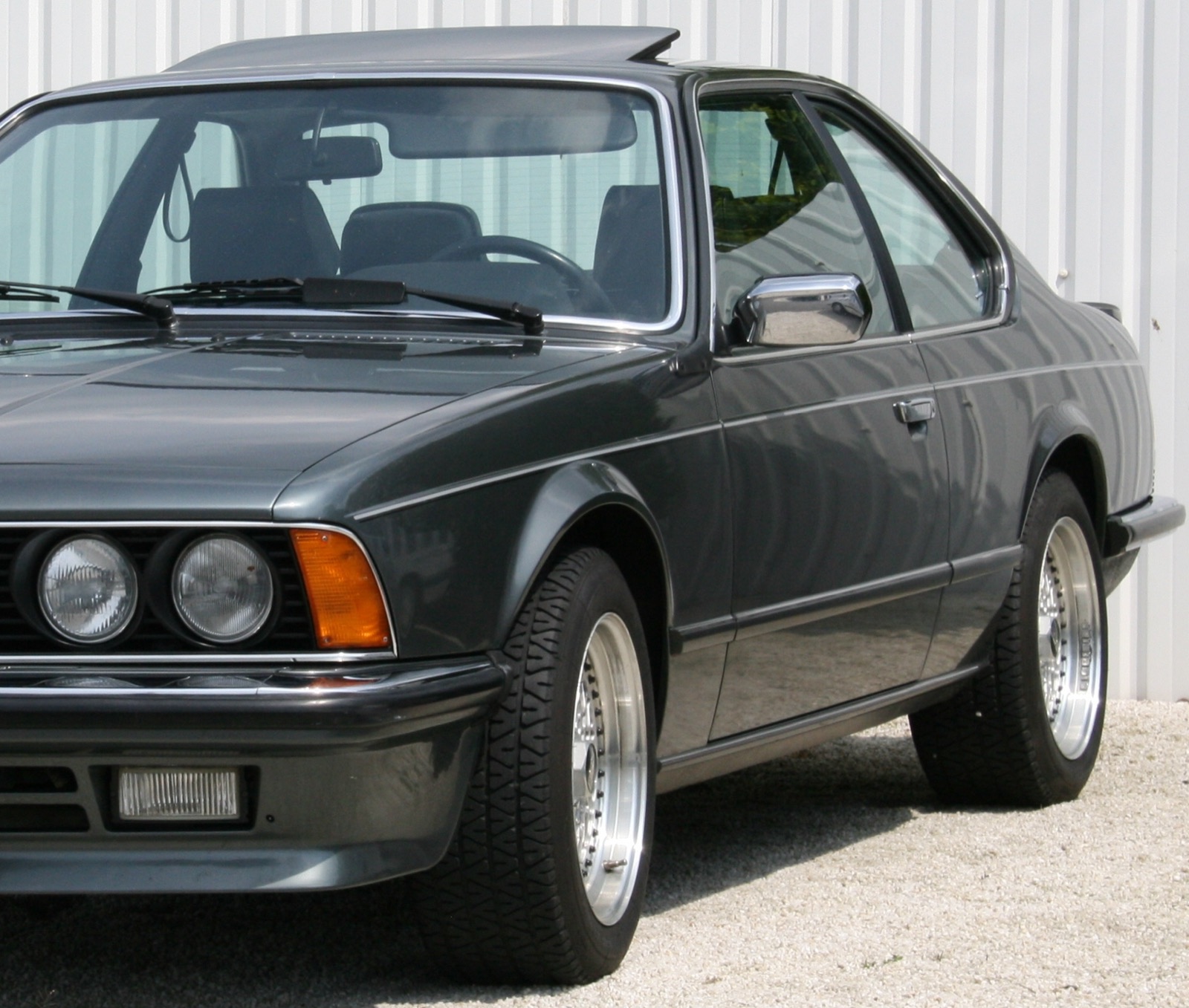
BMW 635CSi side profile

Mechanical character

The M30 makes the 635CSi a real road car, not just a design object

The big straight-six gives the E24 its authority. It is not an M car, but it has enough torque, sound, and long-legged composure to feel like the serious flagship coupe it was supposed to be.

Buyer relevance now

Buyers should care more about cooling-system integrity, suspension freshness, and driveline honesty than just odometer mythology. The best cars feel expensive and sorted, not merely old and charming.

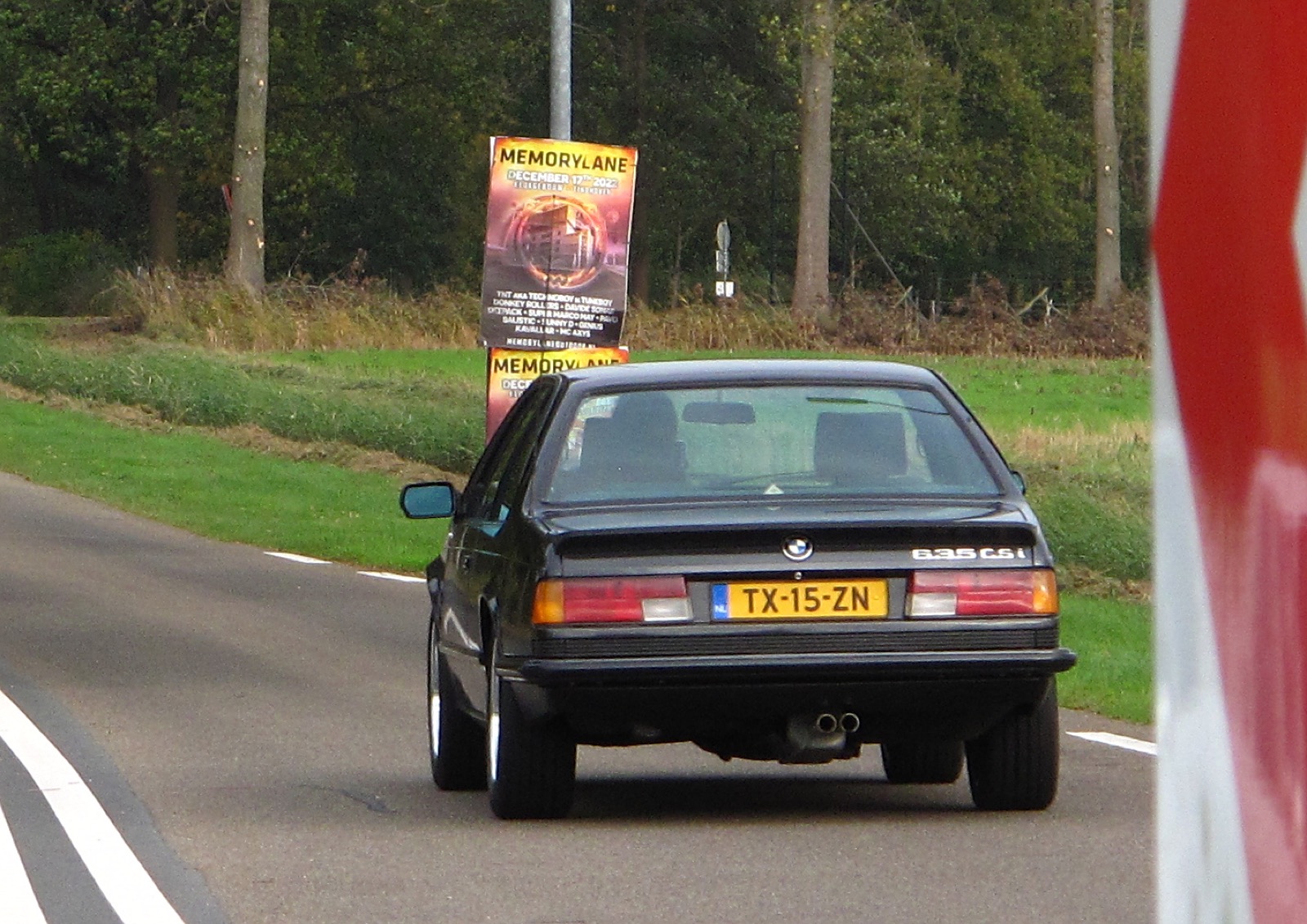
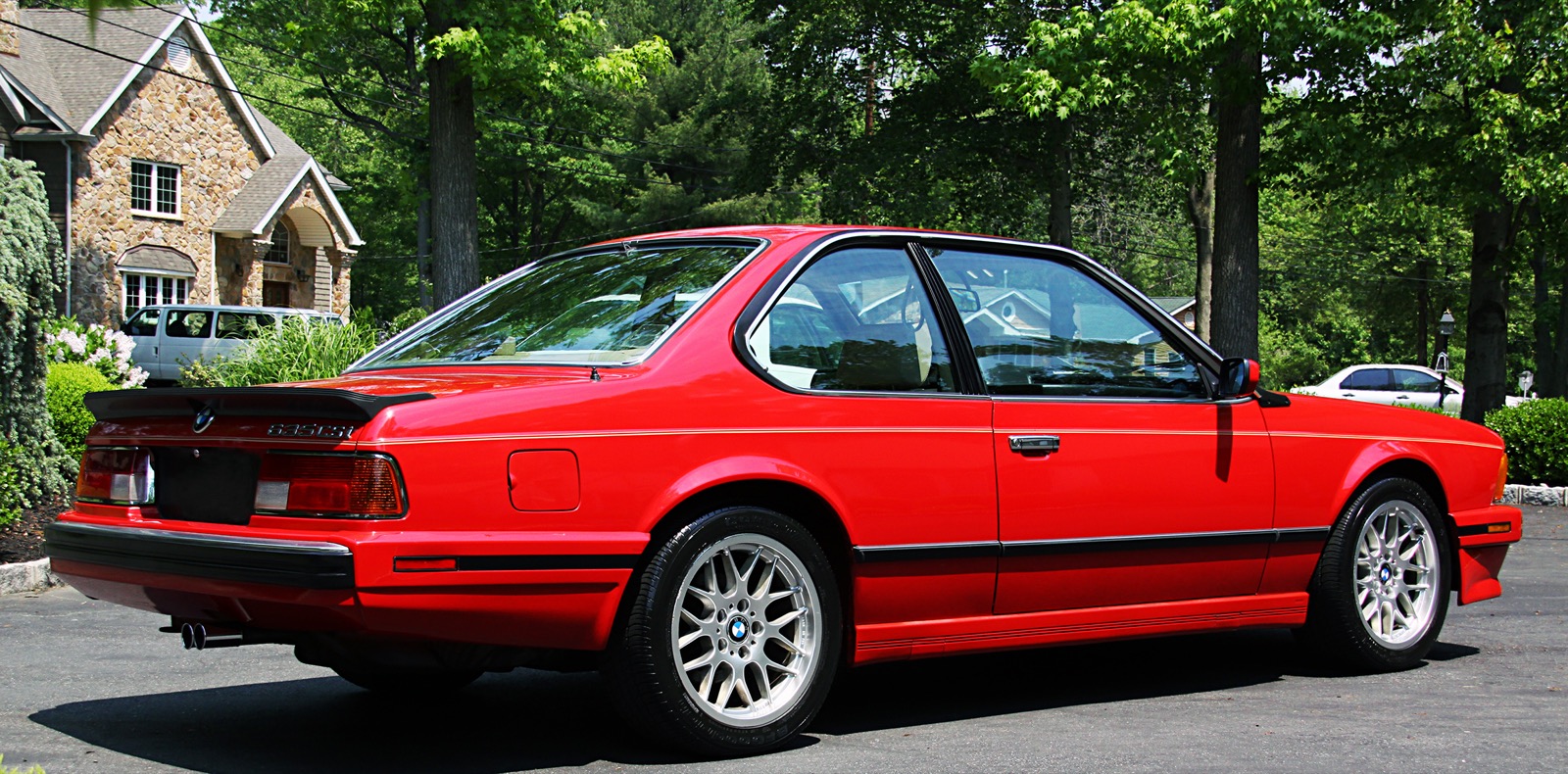
BMW 635CSi rear three-quarter

Market behavior

The best 635CSi cars trade as completed analog GTs

The market is no longer rewarding every E24 equally. The strong cars are the ones with the right visual presentation, believable service history, and enough originality to still read like a mature BMW coupe rather than a project with lipstick.

Buyer relevance now

That means trim completeness, crack-free interiors, correct wheel and suspension stance, and real records carry more weight than generic collector rhetoric.

How to shop it

How to shop a BMW 635CSi (E24)

Start by putting the car in the right generation and spec lane, then use records, color, equipment, and prior appearances to decide whether the asking price is actually supported.

Spec lane

Do not flatten the model into one price bucket

Body style, gearbox, drivetrain, color, interior, and special-package context can move buyer interest as much as mileage. Compare like with like before drawing a market conclusion.

Factory equipment

Correct hardware is part of the value

Wheels, seats, trim, brakes, exterior details, and retained original parts help prove that the car still belongs in its claimed lane instead of just wearing the right badge.

Records

The file has to match the ask

Service history, inspection results, ownership continuity, paint disclosure, and modification receipts should scale with the asking price. Thin records are a real market discount.

Comps

Prior listings are part of the guide

Repeat appearances help show whether a car is improving, aging honestly, or circulating with a story that keeps getting thinner. That history should influence how the current listing reads.

Color guide

Palette, interior trims, and original brochure context

The dedicated guide is where the brochure-style palette work lives: exterior colors, interior trims, notable combinations, and the original factory brochure when we have it.

That matters because buyers rarely compare cars as blank used inventory. They compare them against the factory identity they already have in their head.

More visual context

Extra images that help the car read more clearly

3 details
BMW 635CSi front three-quarter

Detail 1

BMW 635CSi front three-quarter

BMW 635CSi side profile

Detail 2

BMW 635CSi side profile

BMW 635CSi rear three-quarter

Detail 3

BMW 635CSi rear three-quarter

Model History

Why BMW 635CSi (E24) matters

The 635CSi carried BMW’s flagship coupe idea through the E24 era and remains one of the clearest expressions of classic BMW GT design.

Its enthusiast appeal comes from the shape, the M30 engine, and the sense that it belongs to BMW’s mature long-distance performance tradition.

As values rise, buyers increasingly reward correctness and finish rather than merely buying any surviving E24.

Technical Specs

Key numbers and layout

BMW 635CSi front three-quarter

Engine

3.5L M30 inline-six

Transmission

Manual or automatic

Layout

Rear-drive grand touring coupe

Era

1980s BMW flagship coupe

Market note

Condition-sensitive classic

VINthusiast role

BMW GT context and buyer guidance

Equipment Checklist

Factory equipment and options matter too

Start with the original drivetrain, chassis, and cabin specification, then verify the options that distinguish otherwise similar cars. The factory-equipment guide focuses on the details that matter when comparing real examples today.

Open factory equipment guide

Confirm factory wheels, seats, trim, and major packages against the build story.

Use color and interior pairing as part of the valuation read, not just presentation.

Separate top-lane collector specs from driver-grade cars before using comps.

Check that original hardware accompanies the car when meaningful parts have been changed.

Production context

Production context for real buyers

The 635CSi is best understood as a premium analog BMW GT, not a mass-market classic. The market sorts cars by originality, region/spec, and restoration honesty more than by a single production-total headline.

Platform

E24 flagship coupe

Core engine

M30 3.5L inline-six

Buyer lens

Correctness, rust avoidance, and finish quality

Market role

Analog grand touring BMW

Buyer Checklist

What to verify before buying

1

Read every 635CSi through the lens of body, trim, and rust condition first.

2

Treat interior completeness and electrical honesty as real value drivers, not footnotes.

3

Favor sorted road cars over shiny partial restorations with weak records.

Service Cadence

What well-serviced looks like

Cooling, suspension, and age-related refresh work matter more than mileage alone.

Long-term storage without recommissioning should be treated cautiously.

The best cars come with a believable stack of specialist or enthusiast-owner records.

Buyer Confidence

What makes the story easier to trust

Good signs

Rust-free presentation with trim and interior completeness.

Specialist service history and evidence of ongoing recommissioning work.

Correct stance, correct wheels, and coherent visual presentation.

Watch closely

Pretty photos hiding weak body condition or missing trim.

Seller language focused on rarity while records stay thin.

Tired interiors and deferred electrical issues on an otherwise glossy car.

CARFAX / service-file lens

A clean history report is helpful, but it is not enough on its own. The buyers who pay strong money for this model want service cadence, specialist invoices, and proof that the expensive known items were addressed at believable mileage intervals.

Current Listings

Active inventory for BMW 635CSi (E24)

2 cars