Model Focus

BMW M5 (F10)

Twin-turbo torque, huge speed, and a calmer kind of authority.

The F10 M5 is the M5 that moved the formula into the modern turbo era: enormous torque, huge real-world pace, and a buyer pool that shops spec discipline, Competition Package, and condition more than old-school hand-built mythology.

Visual details

3 shots
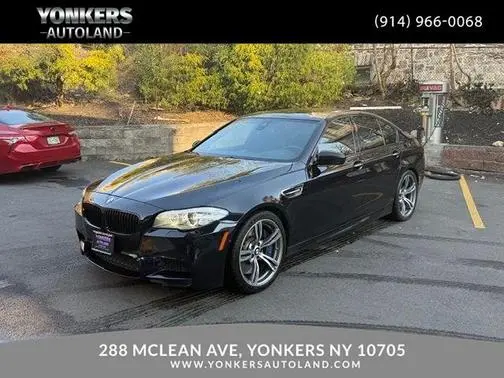
BMW F10 M5 front three-quarter
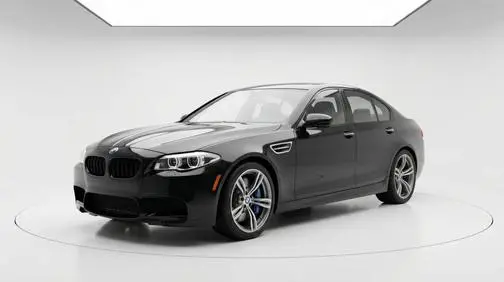
BMW F10 M5 side profile
BMW F10 M5 rear three-quarter

Character

Twin-turbo torque, huge speed, and a calmer kind of authority.

Market lens

Spec, mileage, service, originality

VINthusiast

Enthusiast-first market intelligence with real ownership context

Why enthusiasts love it

  • Massive real-world performance with real long-distance usability
  • A calmer, more complete modern M5 character
  • Competition and manual-context cars give the market real tiers

Common issues

  • Modification quality changes comps quickly
  • Turbo-era maintenance discipline matters more than sellers often frame it
  • Spec overlap can hide meaningful value differences between cars

5 key facts

The fast way to understand the car

buyer context first

Engine

S63 4.4L twin-turbo V8

Output

560 hp to 600 hp

Gearbox

7-speed DCT, with rare manual U.S. lane

Identity

Modern high-speed M5

Market lane

Spec-sensitive supersedan

BMW F10 M5 front three-quarter

Character

The F10 trades old-school charm for enormous real-world pace

The F10 M5 is less intimate than the E39 and less wild than the E60, but it is brutally effective. It made the M5 into a modern torque monster that buyers could use hard without always feeling like they were managing a fragile experiment.

Buyer relevance now

That means the market sorts these cars by specification, ownership quality, and how disciplined the car still feels rather than by sheer novelty value.

BMW F10 M5 side profile

Spec split

Competition Package and manual context matter more than they first seem

The F10 market is not one flat lane. Competition cars, rare manual U.S. examples, and the cleanest low-owner DCT cars already sit in subtly different buckets.

Buyer relevance now

So buyers should not just comp by year and mileage. Package level, transmission, and the stock-versus-modified story all matter here.

BMW F10 M5 rear three-quarter

Current value sorting

The strongest F10s win on restraint and believable ownership

Because the F10 is such a capable tuning platform, the market splits quickly between disciplined factory-led cars and examples that drifted into generic modified-fast-sedan territory.

Buyer relevance now

A complete file, correct wheels, tasteful modifications if any, and evidence of careful turbo-era maintenance do most of the ranking work.

How to shop it

How to shop a BMW M5 (F10)

Start by putting the car in the right generation and spec lane, then use records, color, equipment, and prior appearances to decide whether the asking price is actually supported.

Spec lane

Do not flatten the model into one price bucket

Body style, gearbox, drivetrain, color, interior, and special-package context can move buyer interest as much as mileage. Compare like with like before drawing a market conclusion.

Factory equipment

Correct hardware is part of the value

Wheels, seats, trim, brakes, exterior details, and retained original parts help prove that the car still belongs in its claimed lane instead of just wearing the right badge.

Records

The file has to match the ask

Service history, inspection results, ownership continuity, paint disclosure, and modification receipts should scale with the asking price. Thin records are a real market discount.

Comps

Prior listings are part of the guide

Repeat appearances help show whether a car is improving, aging honestly, or circulating with a story that keeps getting thinner. That history should influence how the current listing reads.

Color guide

Palette, interior trims, and original brochure context

The dedicated guide is where the brochure-style palette work lives: exterior colors, interior trims, notable combinations, and the original factory brochure when we have it.

That matters because buyers rarely compare cars as blank used inventory. They compare them against the factory identity they already have in their head.

More visual context

Extra images that help the car read more clearly

3 details
BMW F10 M5 front three-quarter

Detail 1

BMW F10 M5 front three-quarter

BMW F10 M5 side profile

Detail 2

BMW F10 M5 side profile

BMW F10 M5 rear three-quarter

Detail 3

BMW F10 M5 rear three-quarter

Model History

Why BMW M5 (F10) matters

The F10 carried the M5 into the twin-turbo V8 era and re-centered the car around immense real-world speed.

It sits between the analog cult of the E39 and the V10 theater of the E60 as the more complete, quietly devastating supersedan.

Its market now rewards the cleanest, most disciplined cars rather than generic horsepower talk.

Technical Specs

Key numbers and layout

BMW F10 M5 front three-quarter

Engine

4.4L S63 twin-turbo V8

Transmission

7-speed DCT, rare 6MT context

Layout

Rear-drive turbo supersedan

Power

560-600 hp depending spec

Market note

Spec-sensitive modern M5

VINthusiast role

Turbo-era M5 buyer guide

Equipment Checklist

Factory equipment and options matter too

The model page should explain the car at a high level. The deeper factory-equipment guide breaks down what came standard, what could be ordered, and which details buyers actually care about when comparing real cars today.

Open factory equipment guide

Confirm factory wheels, seats, trim, and major packages against the build story.

Use color and interior pairing as part of the valuation read, not just presentation.

Separate top-lane collector specs from driver-grade cars before using comps.

Check that original hardware accompanies the car when meaningful parts have been changed.

Production context

Production context for real buyers

The F10 M5 is not a tiny-run special by default. Its value comes from transmission, package, and ownership quality separating superficially similar cars into different buyer lanes.

Platform

F10 M5 supersedan

Engine

S63 4.4L twin-turbo V8

Core split

Standard / Competition / rare manual U.S. cars

Buyer lens

Spec discipline and condition

Buyer Checklist

What to verify before buying

1

Separate standard, Competition, and manual-context cars before comparing values.

2

Read every F10 through the lens of stock versus modified first.

3

Favor disciplined ownership and complete maintenance files over cheap power-add stories.

Service Cadence

What well-serviced looks like

Turbo-era oil, cooling, and driveline discipline matter heavily.

The best cars show thoughtful upkeep rather than just low miles.

Modified cars need a believable paper trail, not a forum parts list.

Documentation Signals

Strong file vs caution file

Strong signals

Clear service history and honest modification disclosure.

Competition or manual-context cars with coherent ownership history.

Stock or restrained presentation aligned with the asking price.

Caution signals

Big-power language with weak records.

Suspension and wheel changes without any supporting service depth.

Seller leaning on headline horsepower instead of condition and spec.

CARFAX / service-file lens

A clean history report is helpful, but it is not enough on its own. The buyers who pay strong money for this model want service cadence, specialist invoices, and proof that the expensive known items were addressed at believable mileage intervals.

Current Listings

Active inventory for BMW M5 (F10)

0 cars