Model Focus

BMW M5 (F90)

The all-weather super-sedan that turned the M5 into a modern missile.

The F90 M5 is the M5 in full modern form: xDrive traction, twin-turbo S63 power, immense real-world speed, and a market that already separates standard, Competition, and CS cars into distinct buyer lanes.

Visual details

3 shots
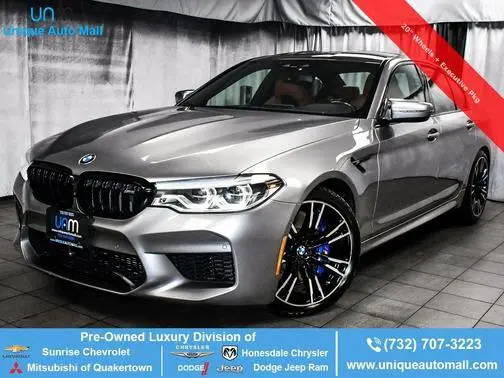
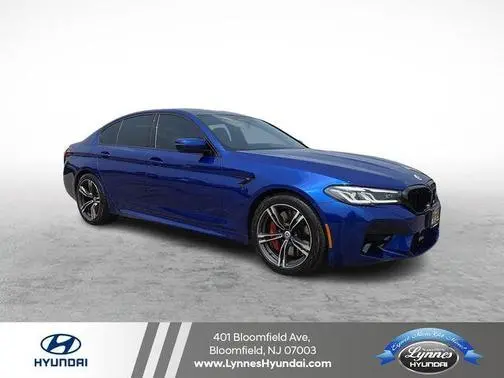
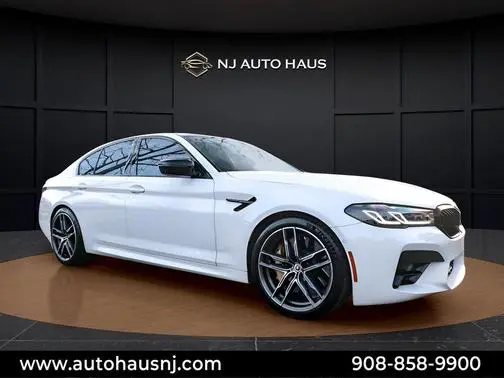
BMW F90 M5 front three-quarter
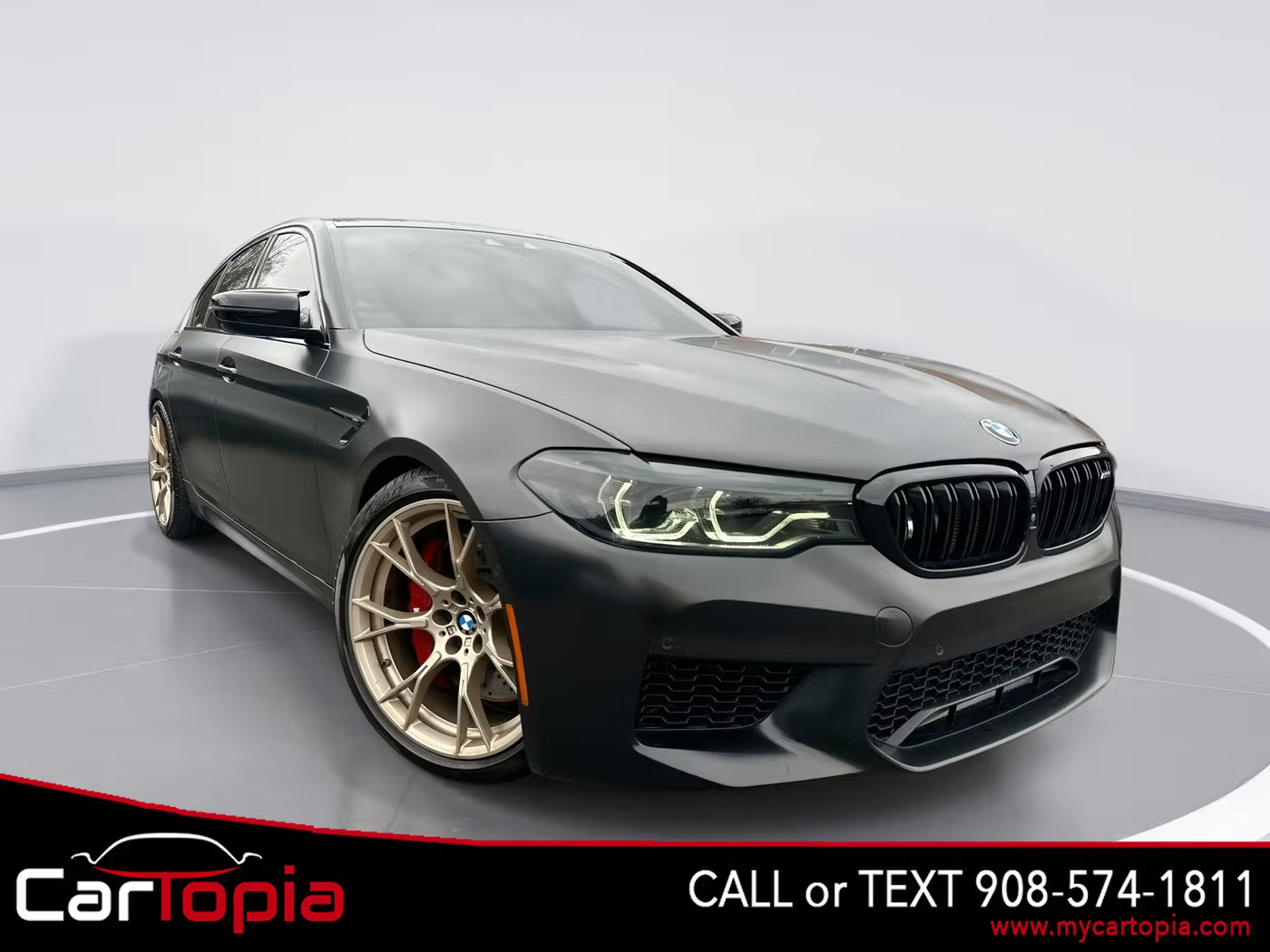
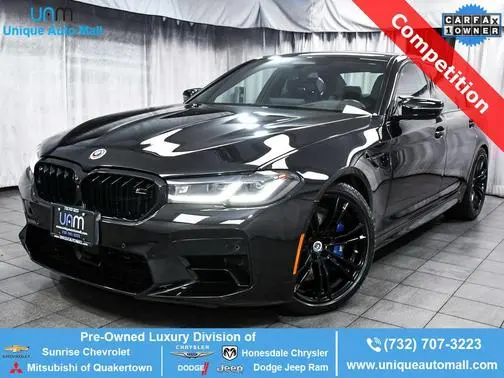
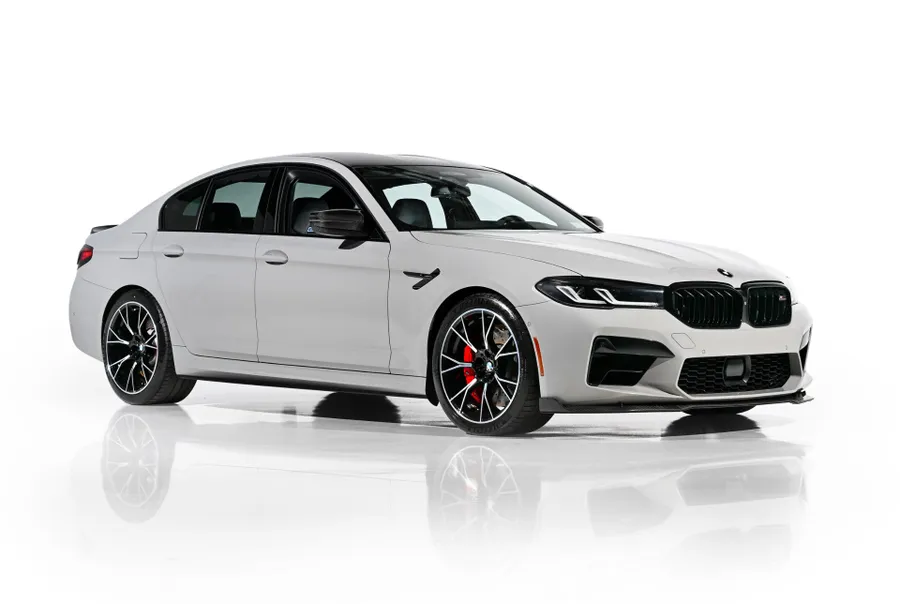
BMW F90 M5 side profile
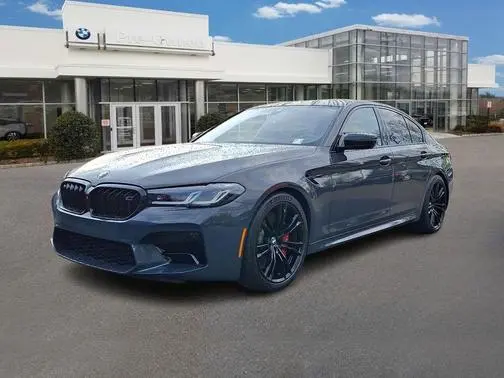
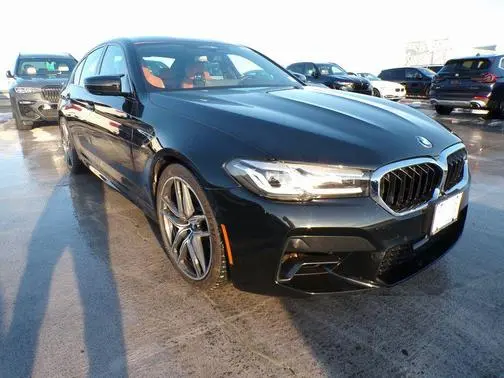
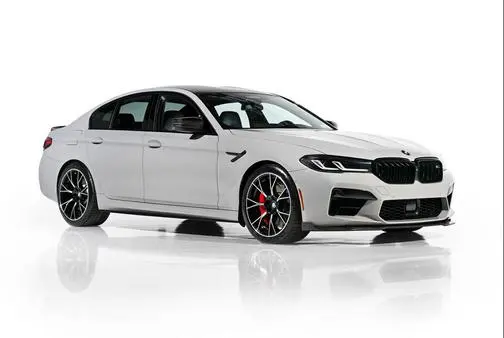
BMW F90 M5 rear three-quarter

Character

The all-weather super-sedan that turned the M5 into a modern missile.

Market lens

Spec, mileage, service, originality

VINthusiast

Enthusiast-first market intelligence with real ownership context

Why enthusiasts love it

  • Supercar pace with real daily usability
  • xDrive made the M5 usable year-round without losing the badge identity
  • Competition and CS tiers create a clear modern hierarchy

Common issues

  • Spec and trim overlap can hide large value differences
  • Brake, tire, and modification costs matter more than sellers often frame
  • Standard and Competition cars get lazily blended in comps

5 key facts

The fast way to understand the car

buyer context first

Engine

S63 4.4L twin-turbo V8

Output

600 hp to 627 hp

Driveline

M xDrive with rear-drive mode

Identity

Modern super-sedan apex

Market lane

Tiered standard / Comp / CS market

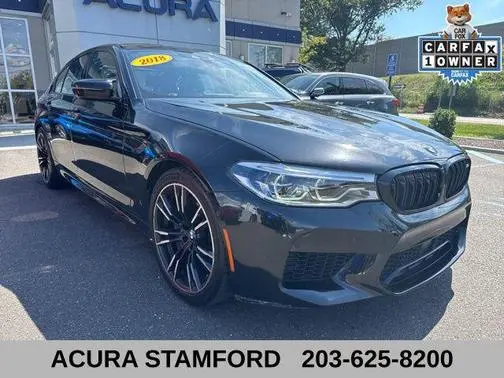
BMW F90 M5 front three-quarter

Capability

The F90 made the M5 feel effortless at insane speed

The F90 M5 is what happens when BMW decides the modern M5 has to be devastatingly quick in any weather, on any road, without making the driver work especially hard to unlock it.

Buyer relevance now

That changes the market. Buyers are not just shopping for fast sedans; they are shopping by tier, because Competition and CS cars clearly sit above the standard lane.

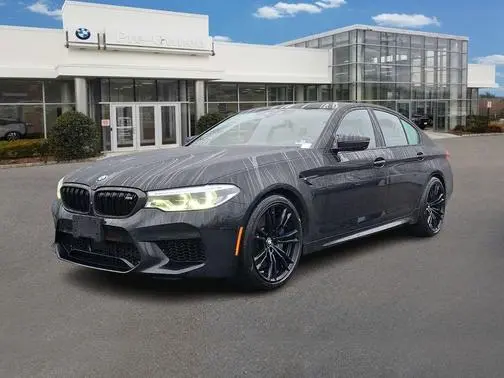
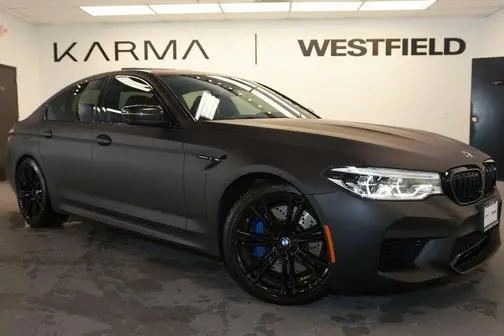
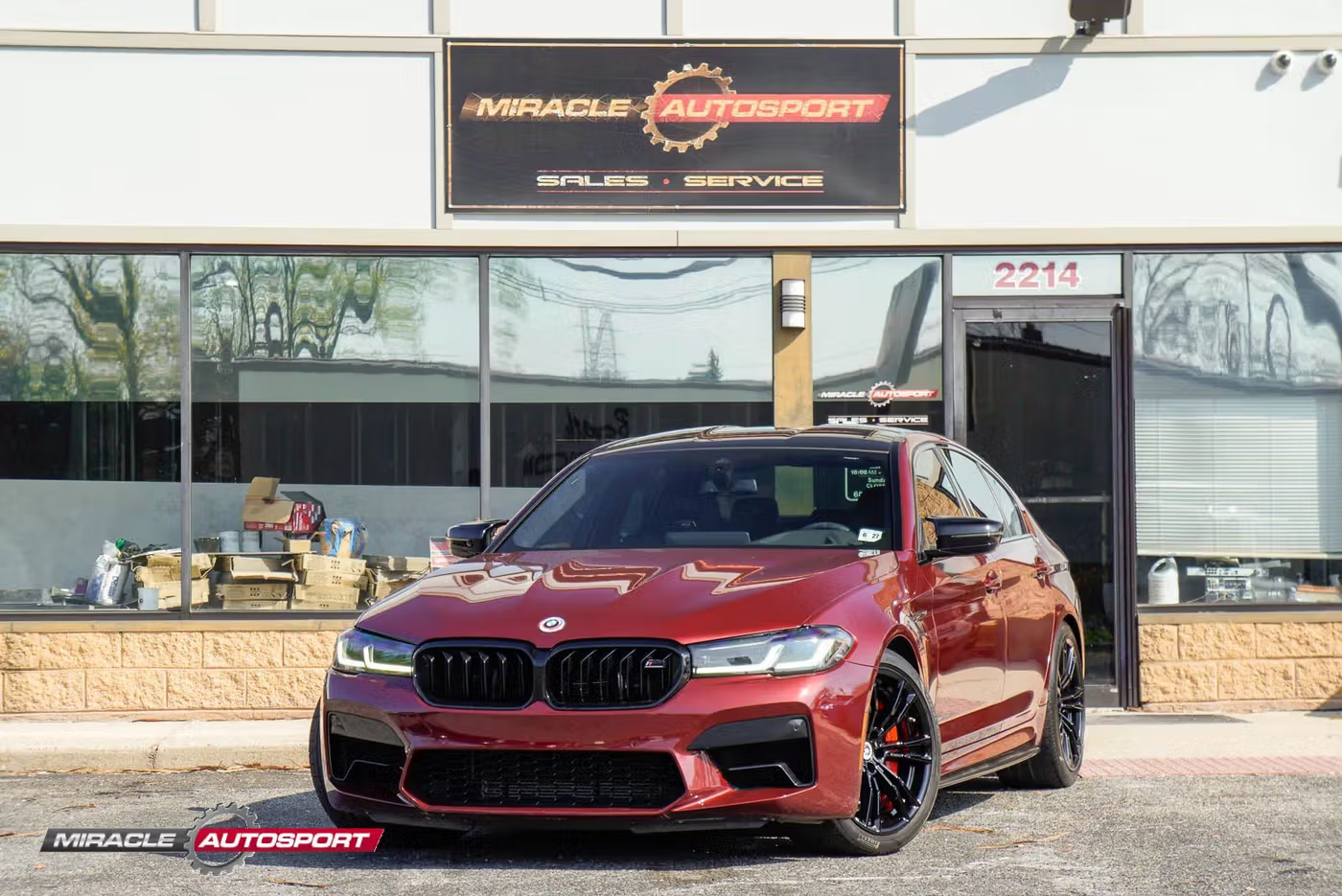
BMW F90 M5 detail view

Value hierarchy

Standard, Competition, and CS cars should not be blended together

The F90 range already has a clear hierarchy. Standard cars are the broad market. Competition cars bring the sharper mainstream lane. CS cars live above that as the low-volume reference point.

Buyer relevance now

So buyers need to comp within the correct tier first and then look at color, mileage, brakes, and modification discipline.

How to shop it

How to shop a BMW M5 (F90)

Start by putting the car in the right generation and spec lane, then use records, color, equipment, and prior appearances to decide whether the asking price is actually supported.

Spec lane

Do not flatten the model into one price bucket

Body style, gearbox, drivetrain, color, interior, and special-package context can move buyer interest as much as mileage. Compare like with like before drawing a market conclusion.

Factory equipment

Correct hardware is part of the value

Wheels, seats, trim, brakes, exterior details, and retained original parts help prove that the car still belongs in its claimed lane instead of just wearing the right badge.

Records

The file has to match the ask

Service history, inspection results, ownership continuity, paint disclosure, and modification receipts should scale with the asking price. Thin records are a real market discount.

Comps

Prior listings are part of the guide

Repeat appearances help show whether a car is improving, aging honestly, or circulating with a story that keeps getting thinner. That history should influence how the current listing reads.

Color guide

Palette, interior trims, and original brochure context

The dedicated guide is where the brochure-style palette work lives: exterior colors, interior trims, notable combinations, and the original factory brochure when we have it.

That matters because buyers rarely compare cars as blank used inventory. They compare them against the factory identity they already have in their head.

More visual context

Extra images that help the car read more clearly

3 details
BMW F90 M5 front three-quarter

Detail 1

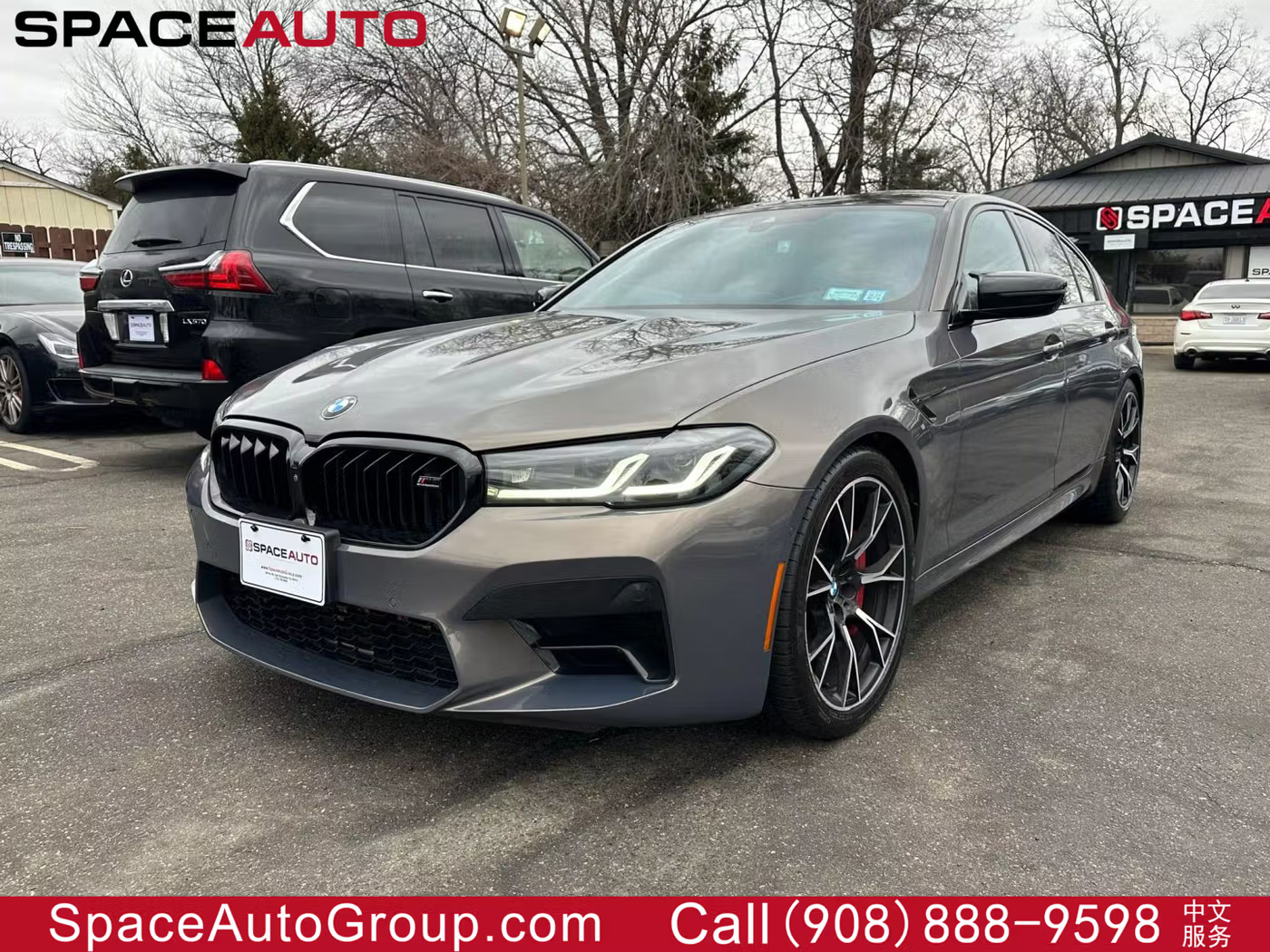
BMW F90 M5 front three-quarter

BMW F90 M5 side profile

Detail 2

BMW F90 M5 side profile

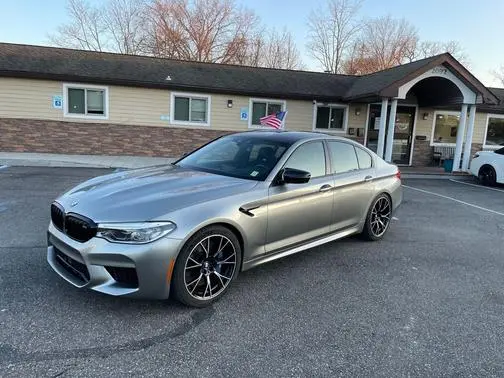
BMW F90 M5 rear three-quarter

Detail 3

BMW F90 M5 rear three-quarter

Model History

Why BMW M5 (F90) matters

The F90 turned the M5 into an all-weather missile without abandoning the executive-sedan role.

It is one of the clearest examples of BMW M moving from analog charm toward complete modern capability.

Its market already behaves in tiers, not as one flat run of big turbo sedans.

Technical Specs

Key numbers and layout

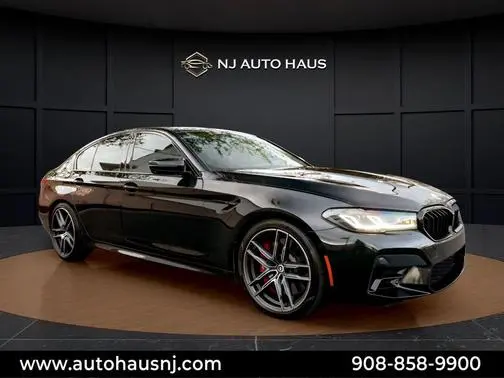
BMW F90 M5 front three-quarter

Engine

4.4L S63 twin-turbo V8

Transmission

8-speed automatic

Driveline

M xDrive with RWD mode

Power

600-627 hp

Market note

Tiered modern M5 market

VINthusiast role

Modern flagship M5 buyer guide

Equipment Checklist

Factory equipment and options matter too

The model page should explain the car at a high level. The deeper factory-equipment guide breaks down what came standard, what could be ordered, and which details buyers actually care about when comparing real cars today.

Open factory equipment guide

Confirm factory wheels, seats, trim, and major packages against the build story.

Use color and interior pairing as part of the valuation read, not just presentation.

Separate top-lane collector specs from driver-grade cars before using comps.

Check that original hardware accompanies the car when meaningful parts have been changed.

Production context

Production context for real buyers

The F90 is a clear three-lane market: standard M5, Competition, and CS. That hierarchy matters more than raw generation totals when reading current values.

Platform

F90 M5 supersedan

Engine

S63 4.4L twin-turbo V8

Core split

Standard / Competition / CS

Buyer lens

Tier first, then options and condition

Buyer Checklist

What to verify before buying

1

Separate standard, Competition, and CS cars before reading any price.

2

Treat brakes, tires, and factory carbon hardware as real value items.

3

Favor disciplined, stock-feeling cars if the asking price is at the top of the lane.

Service Cadence

What well-serviced looks like

Consumables, brakes, and tire history matter because capability is so high.

The best cars show disciplined ownership rather than big-power modification ambition.

Dealer service alone is not enough if the spec and condition story do not line up.

Documentation Signals

Strong file vs caution file

Strong signals

Correct tier, coherent spec, and clear ownership story.

Brake, wheel, and interior condition matching the ask.

Restrained modification path or stock presentation.

Caution signals

Competition or CS pricing on a muddled or heavily tuned car.

Weak consumable history on a car being sold as fully sorted.

Generic big-power language replacing actual spec clarity.

CARFAX / service-file lens

A clean history report is helpful, but it is not enough on its own. The buyers who pay strong money for this model want service cadence, specialist invoices, and proof that the expensive known items were addressed at believable mileage intervals.

Current Listings

Active inventory for BMW M5 (F90)

0 cars