Model Focus

BMW F87 M2

The modern compact M car that still feels intentionally small.

The F87 M2 is the clean bridge between the older analog BMW M cars and the newer turbo era: short wheelbase, rear-drive balance, usable modern hardware, and a market that still reacts strongly to spec and mileage.

Visual details

3 shots
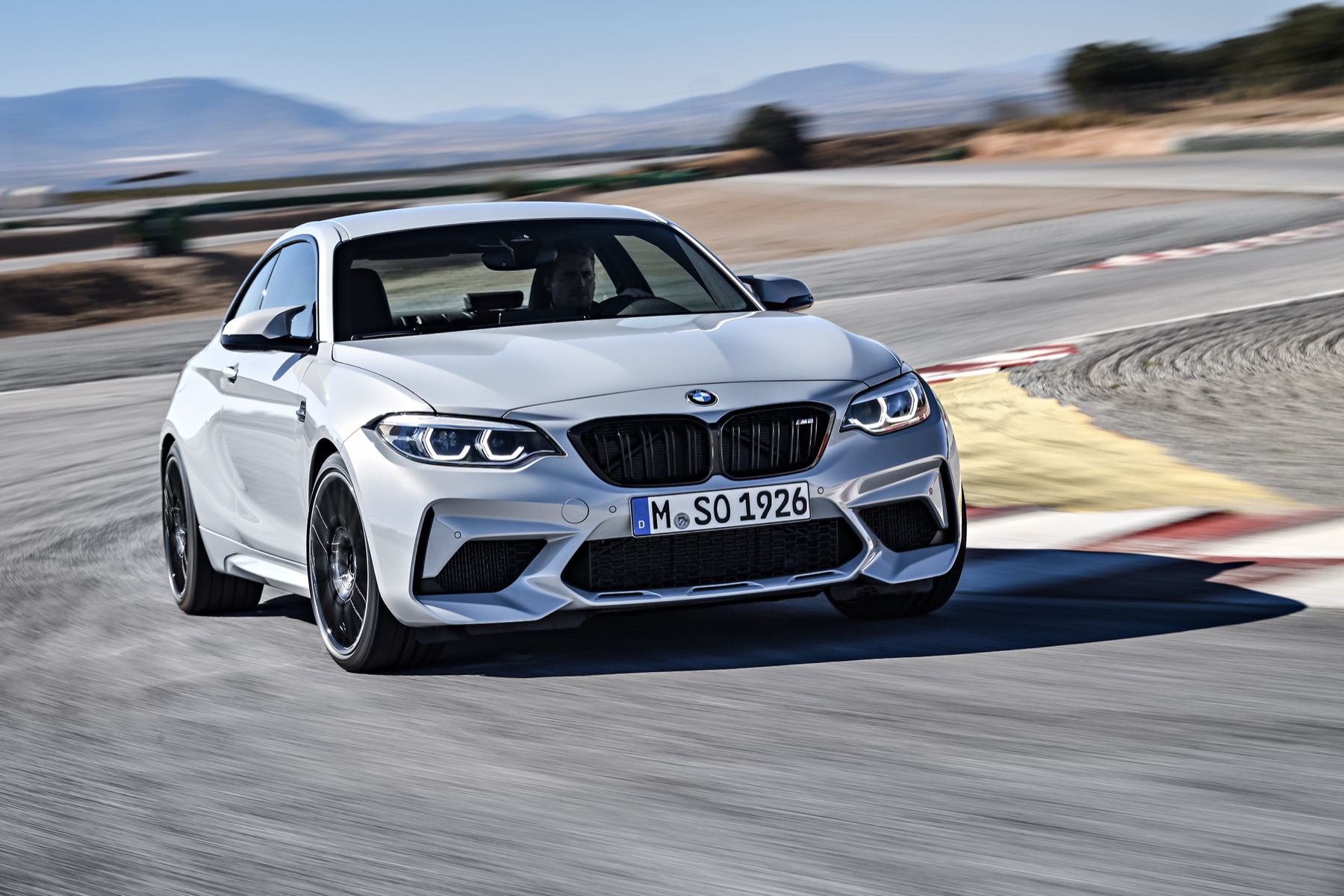
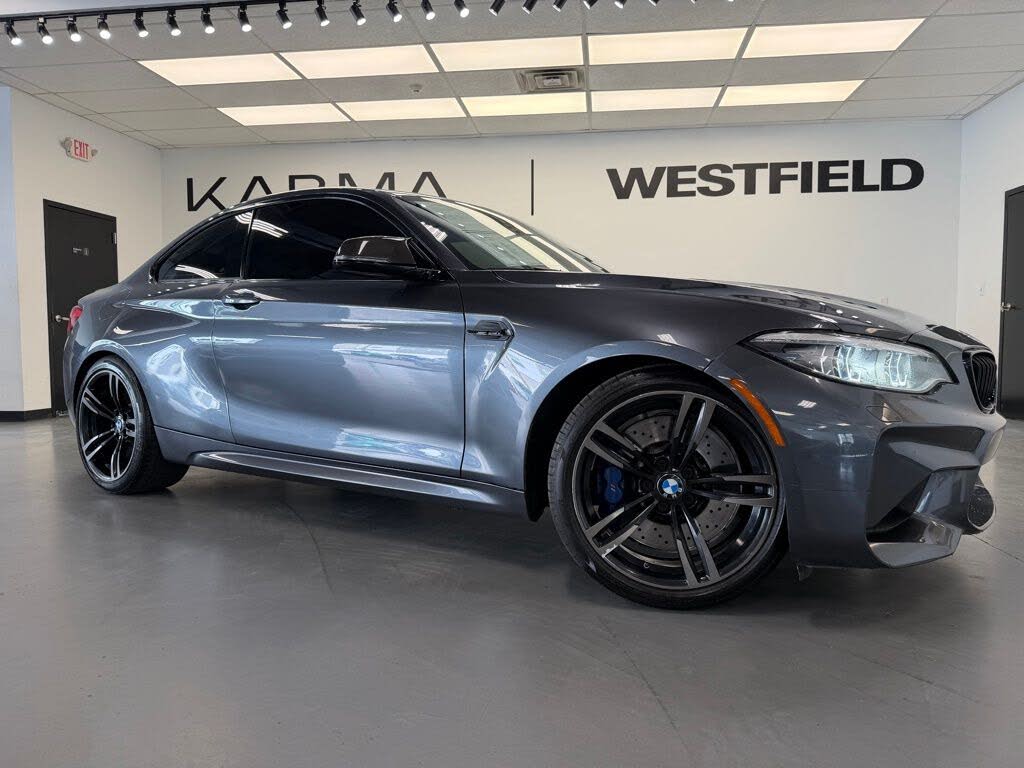
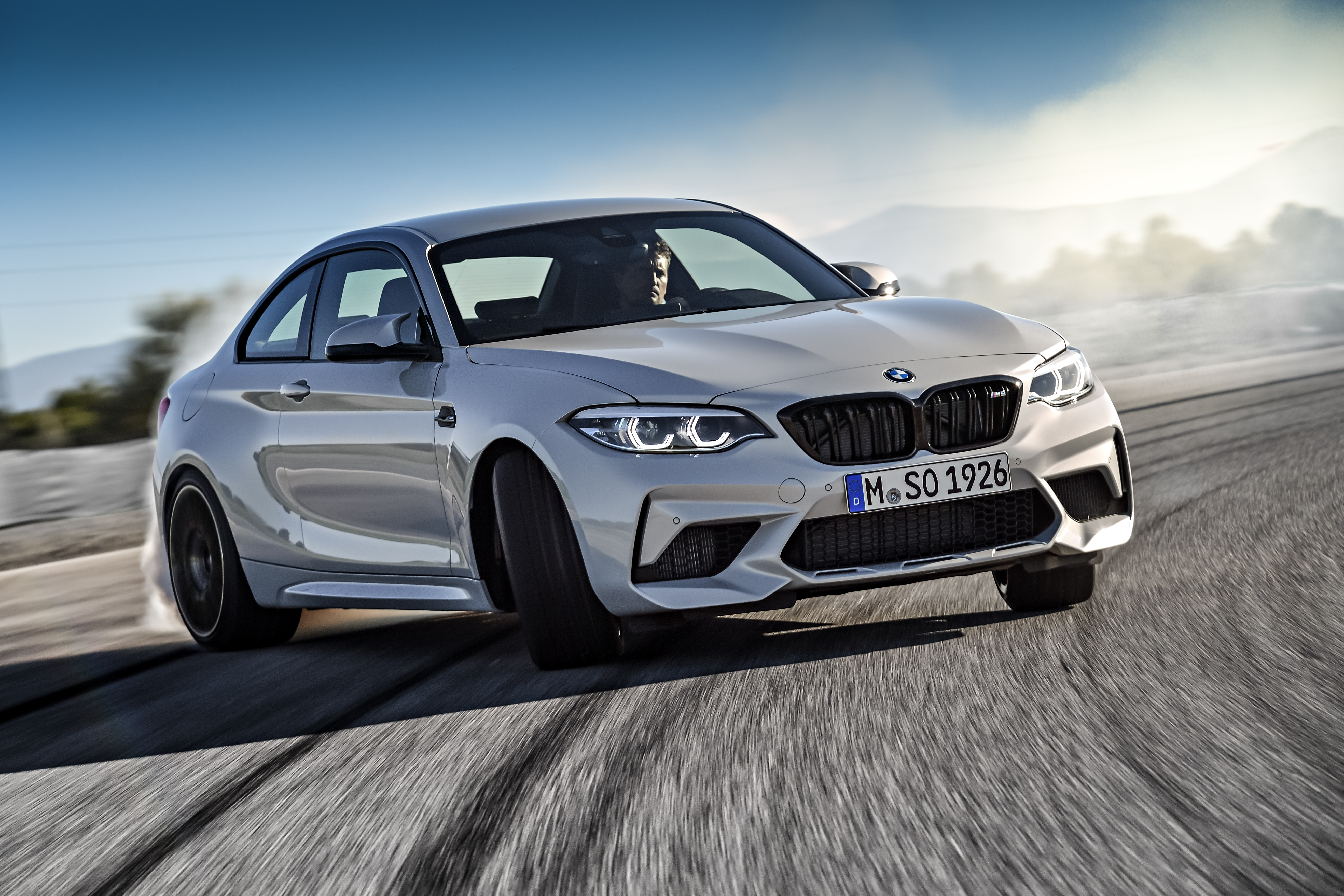
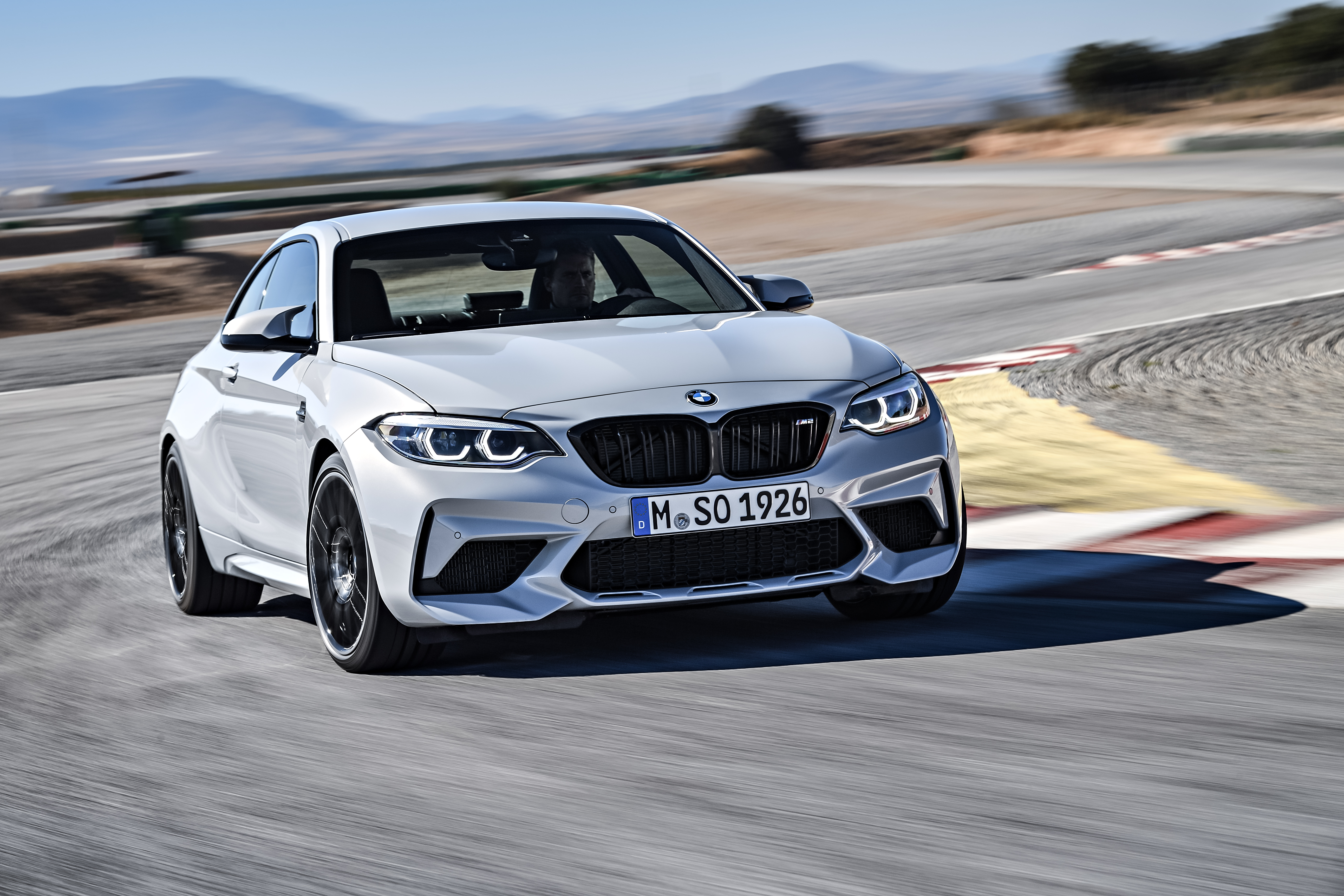
BMW F87 M2 Competition front three-quarter
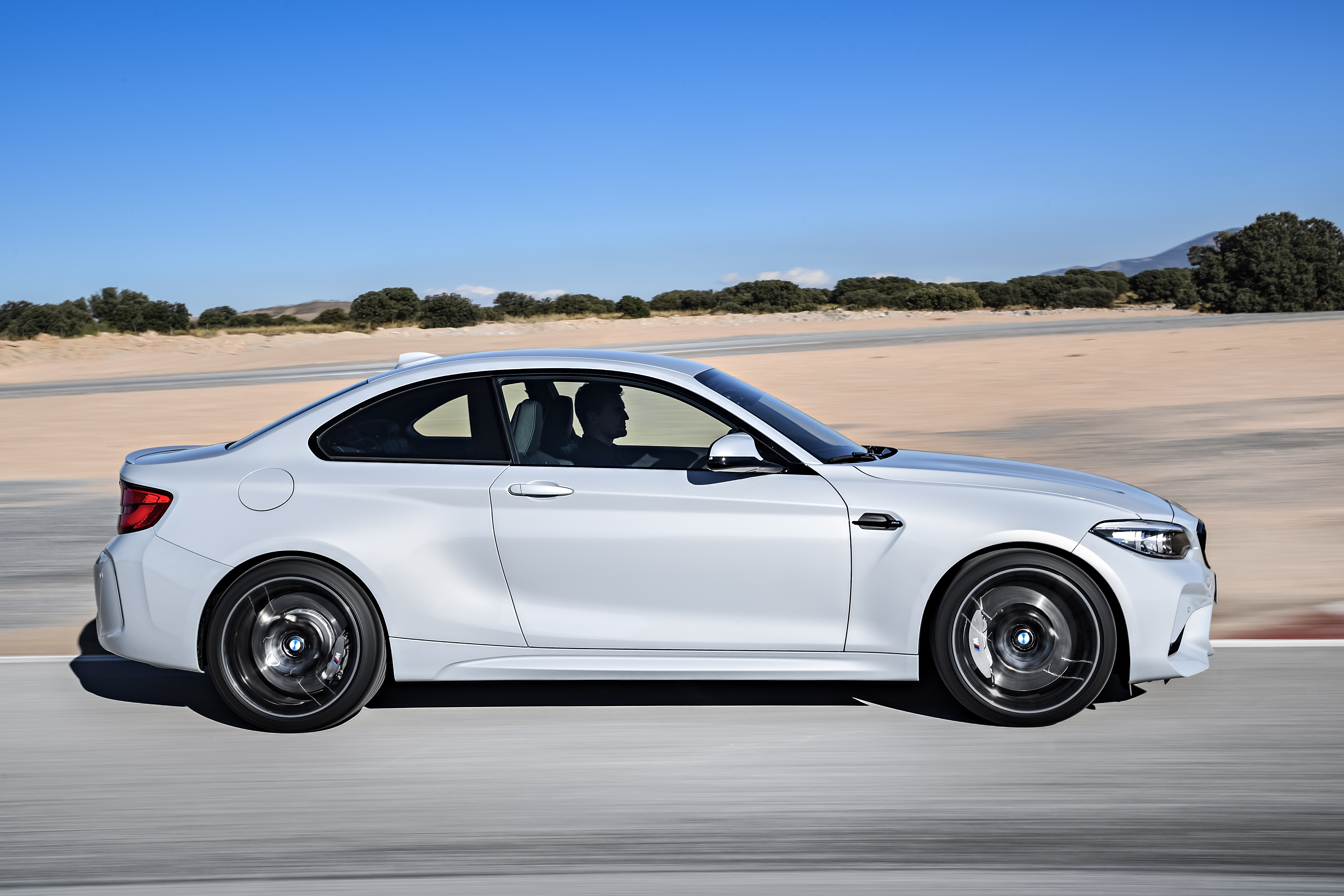
BMW F87 M2 Competition side profile
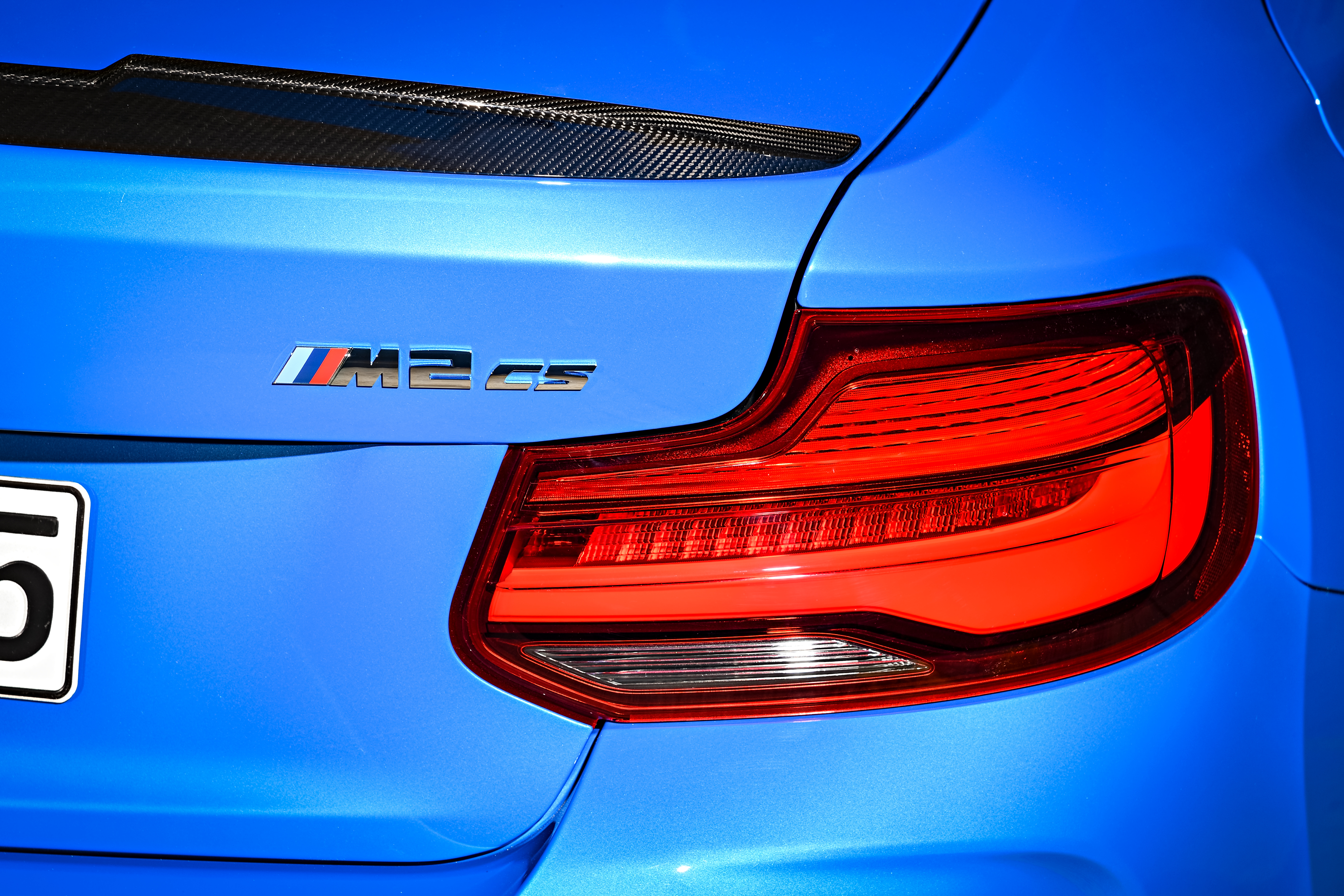
BMW F87 M2 Competition rear three-quarter

Character

The modern compact M car that still feels intentionally small.

Market lens

Spec, mileage, service, originality

VINthusiast

Enthusiast-first market intelligence with real ownership context

Why enthusiasts love it

  • Compact modern BMW M proportions
  • Manual availability keeps it credible with analog-minded buyers
  • Strong split between base, Competition, and CS sub-markets

Common issues

  • Variant confusion can blur comps if base, Competition, and CS cars are mixed together
  • Modified examples are common enough that originality still needs active checking
  • Modern-condition items matter, but so do spec and mileage because buyers compare a lot of near-peers

5 key facts

The fast way to understand the car

buyer context first

Engine

N55 or S55 turbo inline-six

Gearbox

6-speed manual or DCT

Output

365 hp to 444 hp

Body style

Compact coupe

Market lane

Modern compact M benchmark

BMW F87 M2 Competition front three-quarter

Positioning

Small dimensions are the whole point

The F87 matters because it resisted the size creep that affected so many modern performance cars. It still reads like a compact M coupe first and a tech product second.

Buyer relevance now

That makes spec especially important. Transmission, seat choice, wheel finish, factory color, and whether the car is a base M2, Competition, CS, or later heavily modified build all change the buying lane quickly.
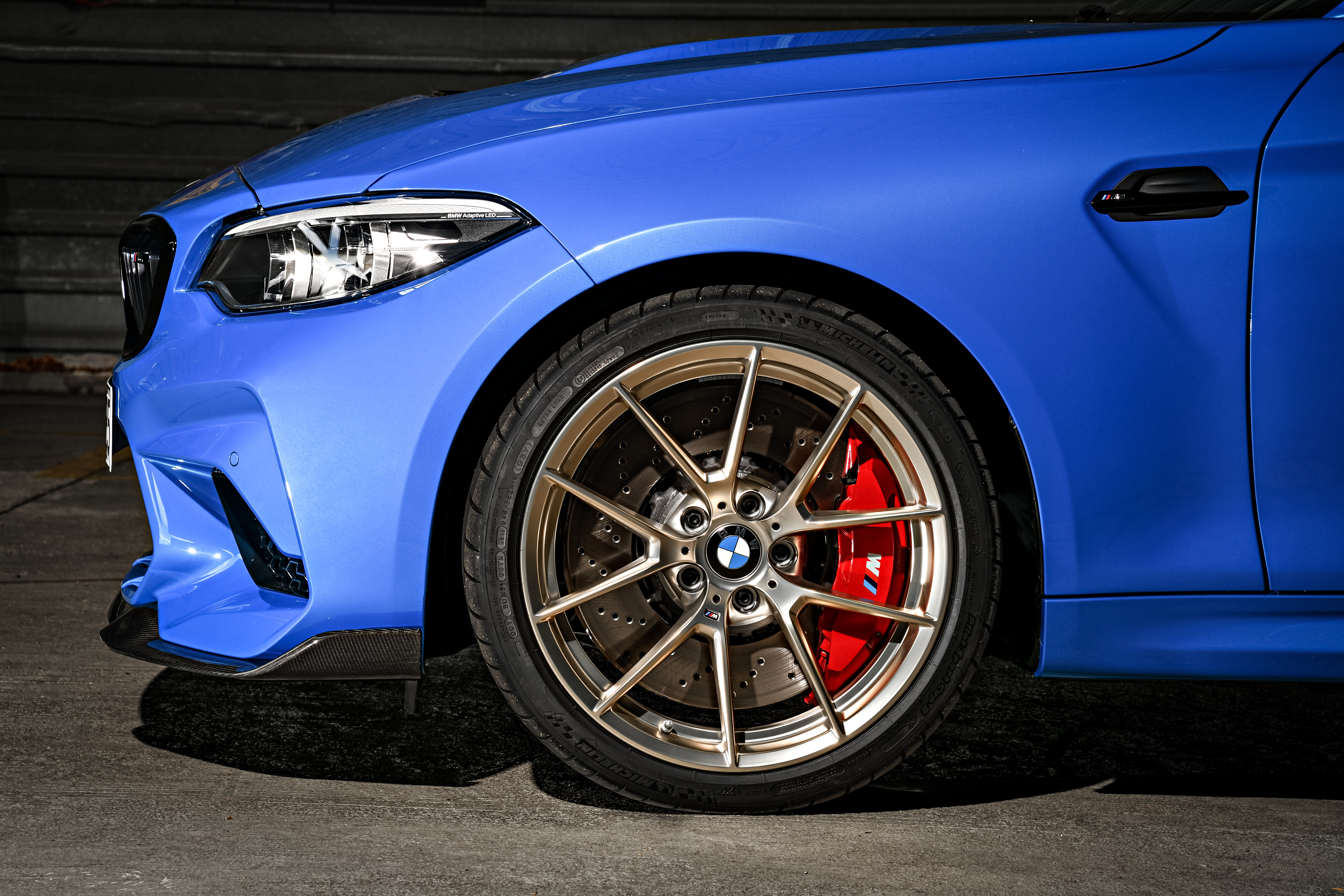
BMW F87 M2 CS engine bay

Engine split

N55 and S55 cars should not be treated as the same market

Early M2 cars carry the N55 and a slightly simpler, friendlier personality. Competition and CS variants move to the S55 and bring a more serious modern M tone with different market expectations.

Buyer relevance now

VINthusiast should eventually split these variants more cleanly, because the market already does. A clean manual N55 car is not interchangeable with a Competition or CS just because the body looks similar.

BMW F87 M2 Competition rear three-quarter

Why it belongs here

It is the easiest modern BMW M to explain to an analog buyer

The F87 keeps the formula legible: compact coupe, serious rear-drive chassis, usable manual option, and enough production that buyers can still compare real examples instead of shopping one-off unicorns.

Buyer relevance now

That makes it a natural next BMW M model for VINthusiast once source depth holds up. It is modern enough to attract search traffic and familiar enough to connect with the current enthusiast audience.

Variant split

Base, Competition, and CS are different buying lanes

The F87 market only makes sense when you split the original N55 M2, the S55-powered Competition, and the later CS. They share the same broad shape, but buyers do not shop them as interchangeable cars.

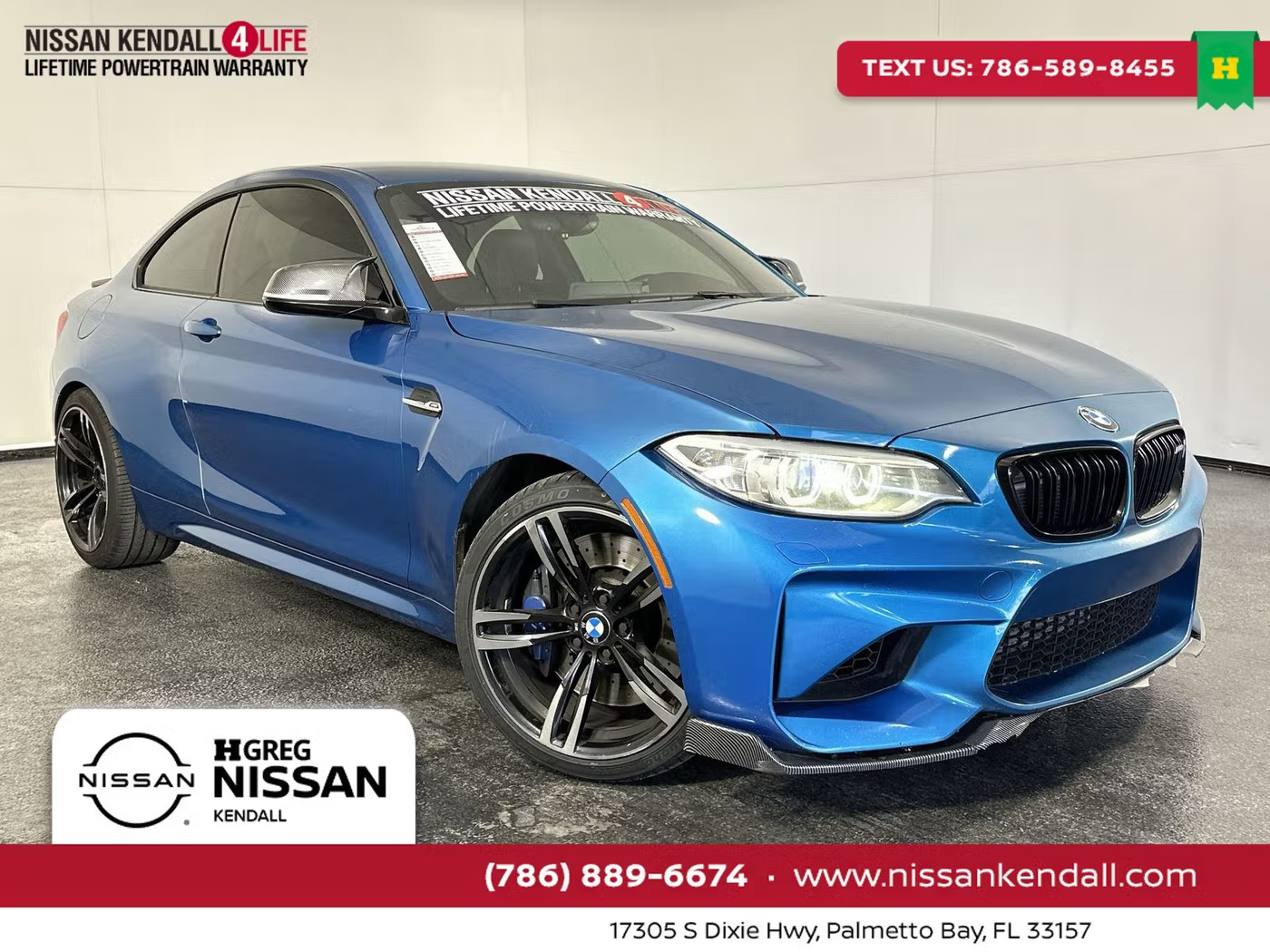
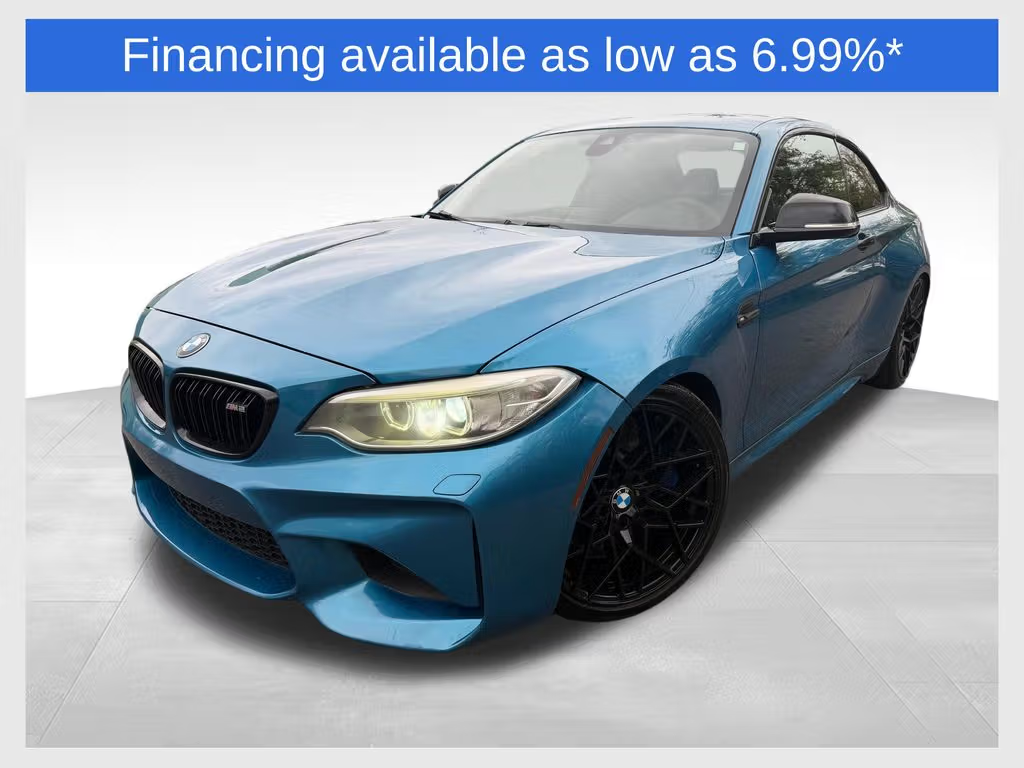
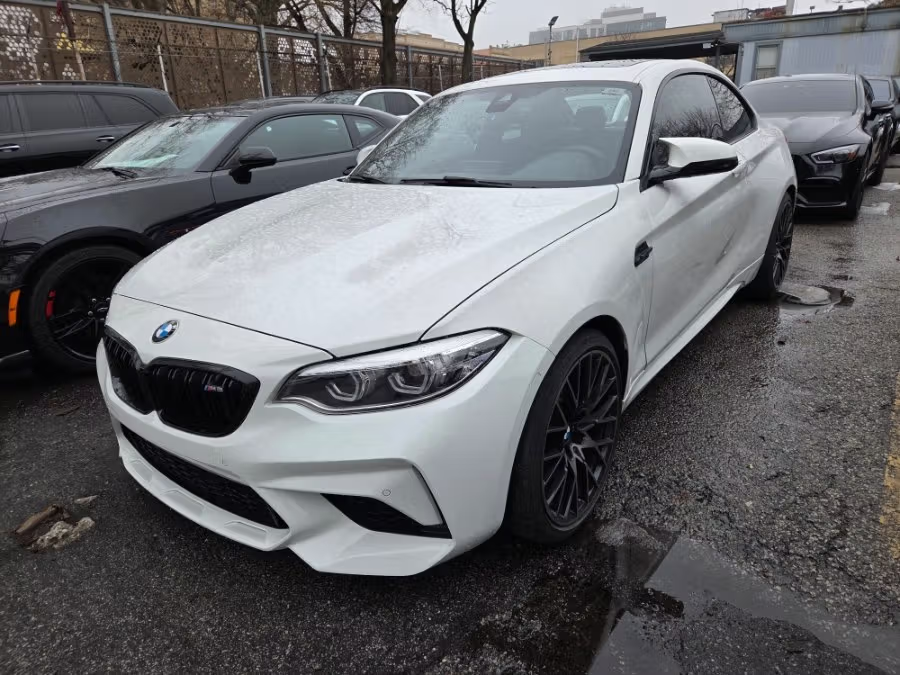
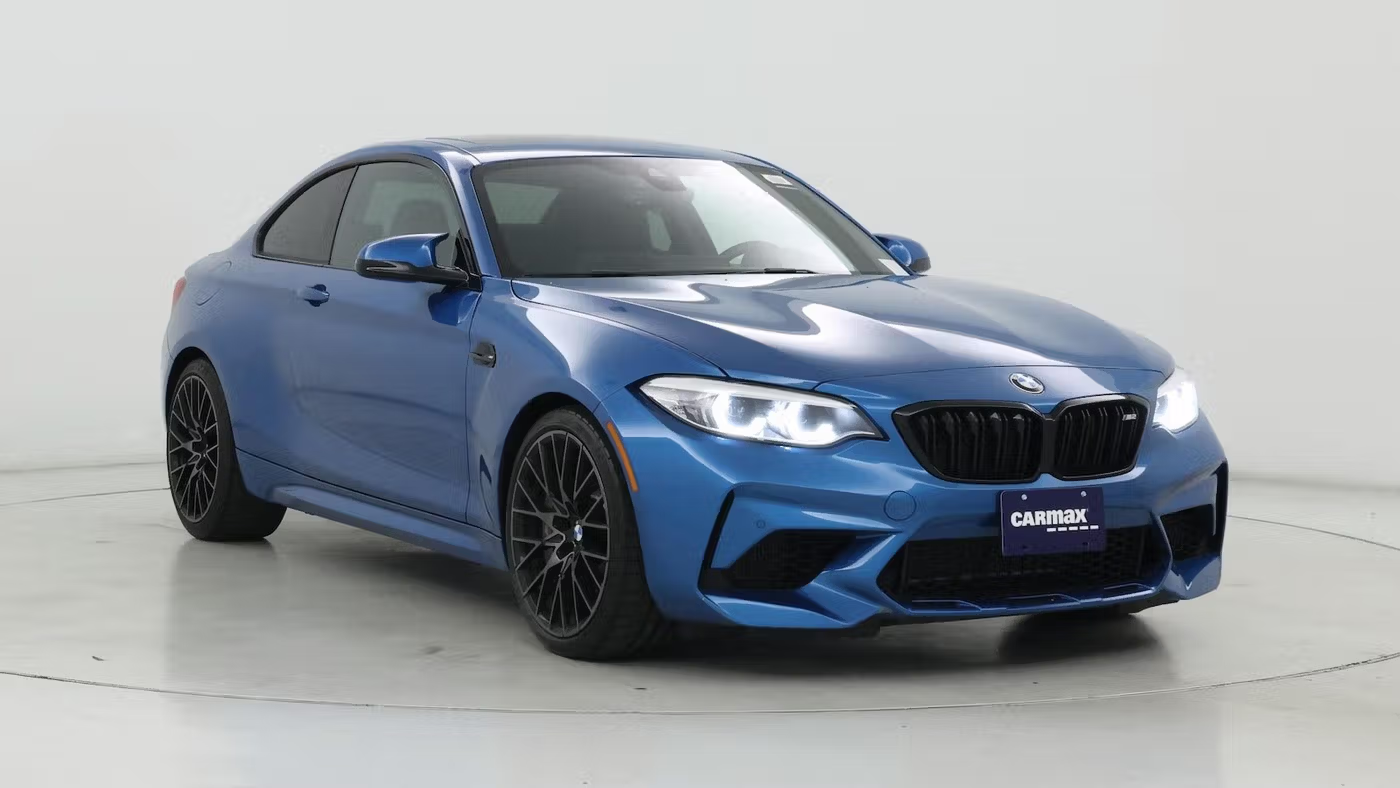
BMW F87 M2 in Long Beach Blue front three-quarter

Base car

Original M2

N55-powered car with the friendlier, earlier F87 character

365 hp and the cleanest link to the launch identity of the model

Long Beach Blue, manual, and lightly modified cars sit in their own lane

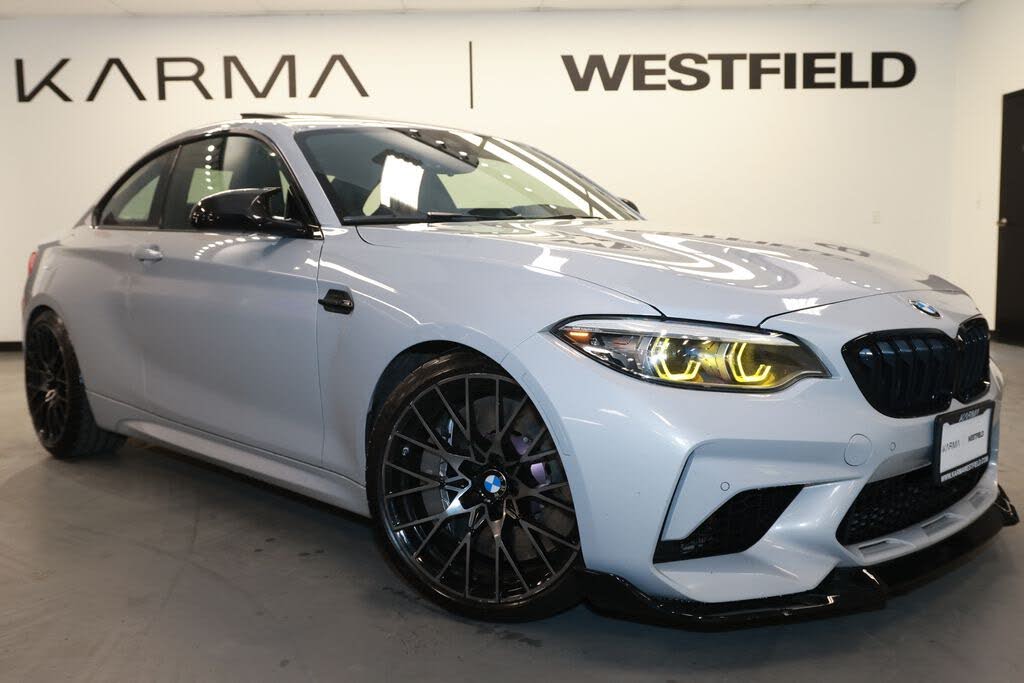
BMW F87 M2 Competition front three-quarter

S55 step-up

M2 Competition

S55 engine, new seats, and a noticeably more serious modern-M tone

Different front-end details and more aggressive spec expectations

The market treats Competition cars as a separate comp set from the N55 cars

BMW F87 M2 CS detail view

Collector peak

M2 CS

Most focused and most expensive F87, with sharper collector pressure

Lighter, more limited, and much more sensitive to originality and file quality

Should be compared against other CS cars first, not against ordinary M2s

Color guide

Palette, interior trims, and original brochure context

The dedicated guide is where the brochure-style palette work lives: exterior colors, interior trims, notable combinations, and the original factory brochure when we have it.

That matters because buyers rarely compare cars as blank used inventory. They compare them against the factory identity they already have in their head.

Signature details

Small visual details that define the car

3 details
BMW F87 M2 CS cockpit and dashboard

Detail 1

CS cockpit and dashboard

BMW F87 M2 CS engine bay

Detail 2

CS engine bay

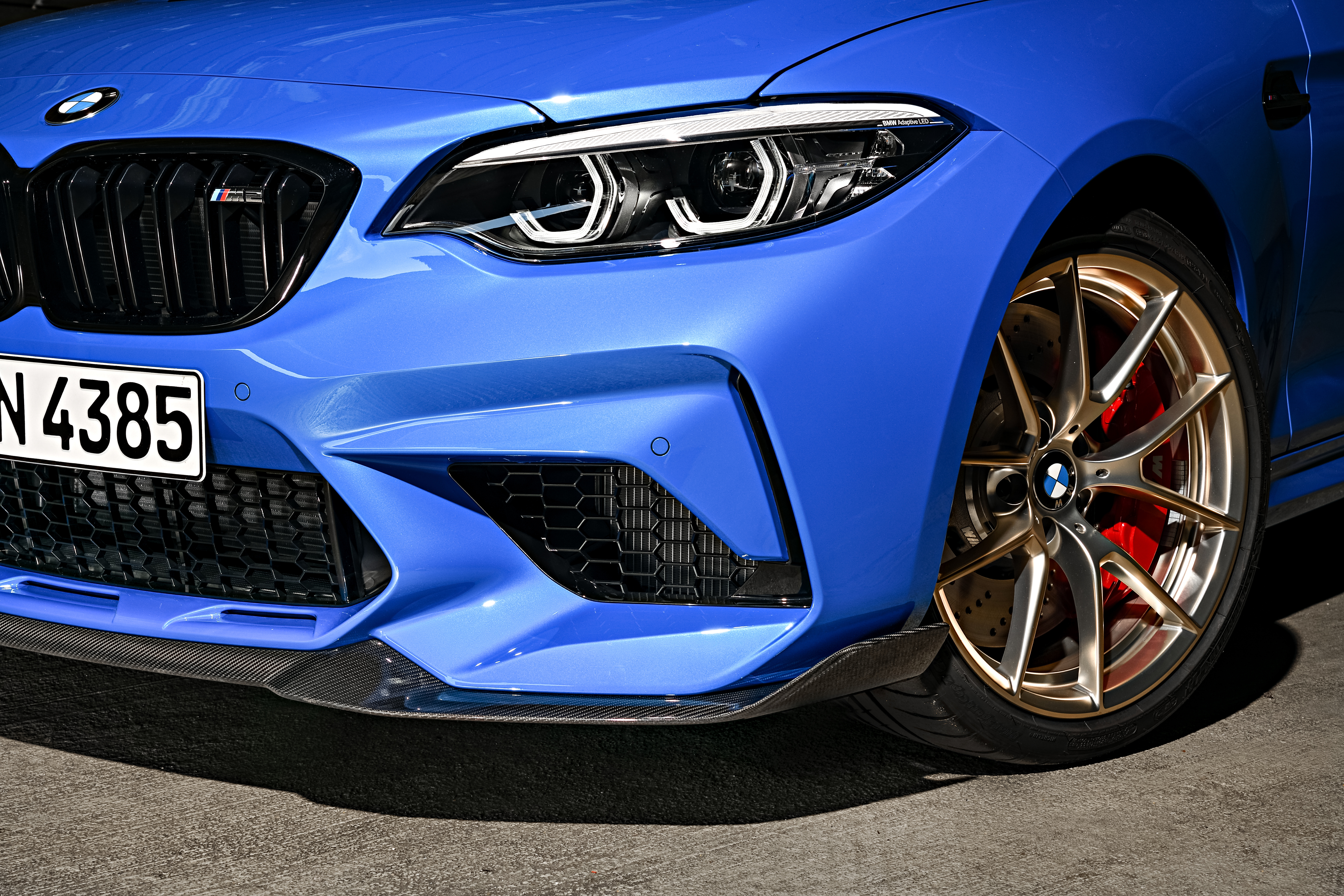
BMW F87 M2 CS front detail

Detail 3

CS front detail

Model History

Why BMW F87 M2 matters

The F87 M2 became the modern BMW M car that older-M buyers could still embrace without much translation.

It sits in a useful market lane because inventory exists, spec matters, and the enthusiast narrative is already well defined.

This is also one of the clearest future growth models for VINthusiast because it brings real listing volume without losing enthusiast specificity.

Technical Specs

Key numbers and layout

Engine family

N55 or S55 turbo inline-six

Output

365 to 444 hp depending on variant

Transmission

6-speed manual or DCT

Layout

Rear-drive compact coupe

Variants

Base, Competition, CS

Market note

Modern high-volume enthusiast M

Equipment Checklist

Factory equipment and options matter too

The model page should explain the car at a high level. The deeper factory-equipment guide breaks down what came standard, what could be ordered, and which details buyers actually care about when comparing real cars today.

Open factory equipment guide

Separate original M2, Competition, and CS cars before comparing prices.

Check whether the car still wears the correct factory seats, wheel design, and brake setup for its variant.

Treat manual versus DCT as a primary market split, not a minor preference.

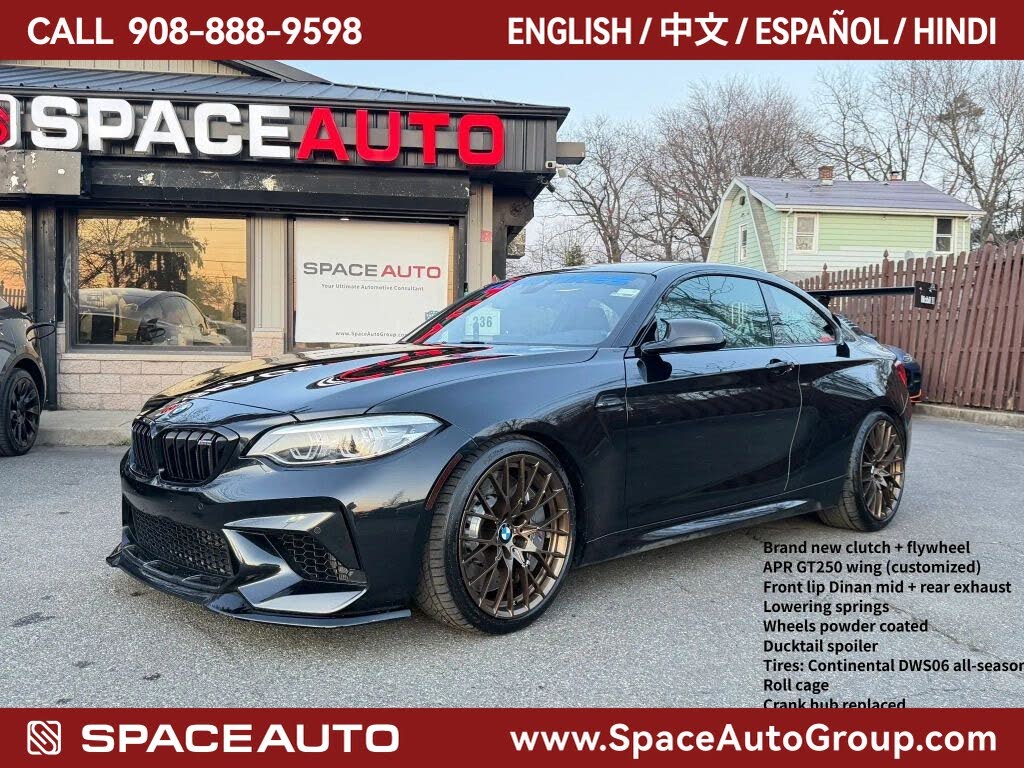
Look carefully for tuning, downpipes, exhaust swaps, and suspension changes because modified F87s are common.

Production Context

Production context for real buyers

The F87 is not rare in the way an E30 or Z8 is rare. Its value comes from variant layering, transmission split, and how the market separates base M2, Competition, and CS cars.

Core variants

M2, M2 Competition, M2 CS

Transmission split

Manual and DCT

Buyer lens

Variant-specific, spec-sensitive

Buyer Checklist

What to verify before buying

1

Separate base M2, Competition, and CS cars before doing any comp work.

2

Check whether the car is manual or DCT first, because buyers filter that immediately.

3

Treat modifications carefully; the market can support tasteful builds, but stock or lightly modified cars remain easier to value.

4

Look for brake, tire, cooling, and regular service discipline instead of just low-mileage marketing.

Service Cadence

What well-serviced looks like

Regular fluid service and tire/brake upkeep matter because many cars were actually driven hard.

Turbo-era BMW maintenance should read preventive, not reactive.

Modern mileage alone is not enough; the file needs to match the way these cars are used.

Documentation Signals

Strong file vs caution file

Strong signals

Clear variant identification with stock or well-documented reversible modifications.

Consistent BMW specialist or high-quality independent service history.

Ownership story that explains how the car was used and maintained.

Caution signals

Competition or CS pricing attached to a weak file or vague spec description.

Heavy tuning without supporting mechanical records.

Low-mileage pitch with little proof of ongoing maintenance.

CARFAX / service-file lens

A clean history report is helpful, but it is not enough on its own. The buyers who pay strong money for this model want service cadence, specialist invoices, and proof that the expensive known items were addressed at believable mileage intervals.

Current Listings

Active inventory for BMW F87 M2

21 cars