Model Focus

BMW M3 (E30)

The homologation icon every later BMW M car still lives under.

The E30 M3 is the foundational halo car: homologation roots, box-flare bodywork, motorsport legitimacy, and a market that already behaves more like collector territory than used-car inventory.

Visual details

3 shots
Canadian-Market 1988 BMW M3 preview
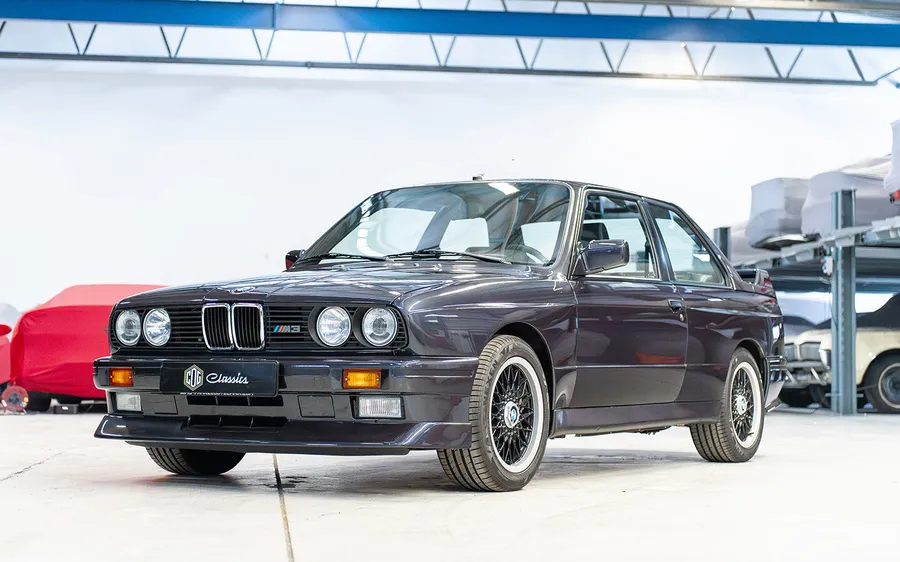
1990 BMW M3 preview
1988 BMW M3 preview

Character

The homologation icon every later BMW M car still lives under.

Market lens

Spec, mileage, service, originality

VINthusiast

Enthusiast-first market intelligence with real ownership context

Why enthusiasts love it

  • True homologation credibility
  • The original M3 silhouette still reads instantly
  • Every later M3 gets measured against it

Common issues

  • Authenticity and provenance questions matter more than on newer BMW M cars
  • Collector pricing raises the standard for originality and documented restoration quality
  • Thin live inventory means known-car history matters a lot

5 key facts

The fast way to understand the car

buyer context first

Engine

S14 2.3L / 2.5L four-cylinder

Body style

Homologation coupe

Identity

Original M3

Market lane

Collector-grade halo car

Value driver

Provenance and correctness

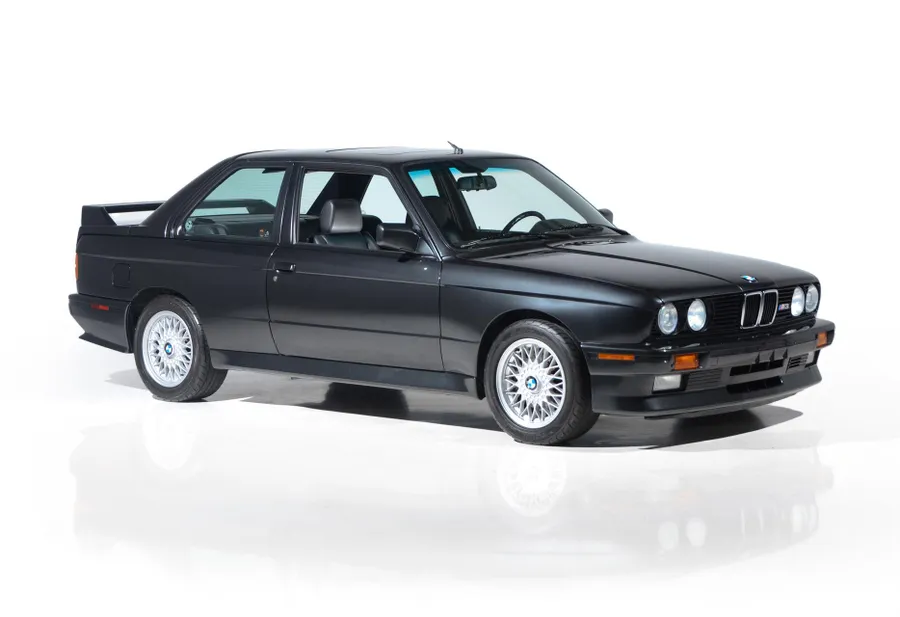
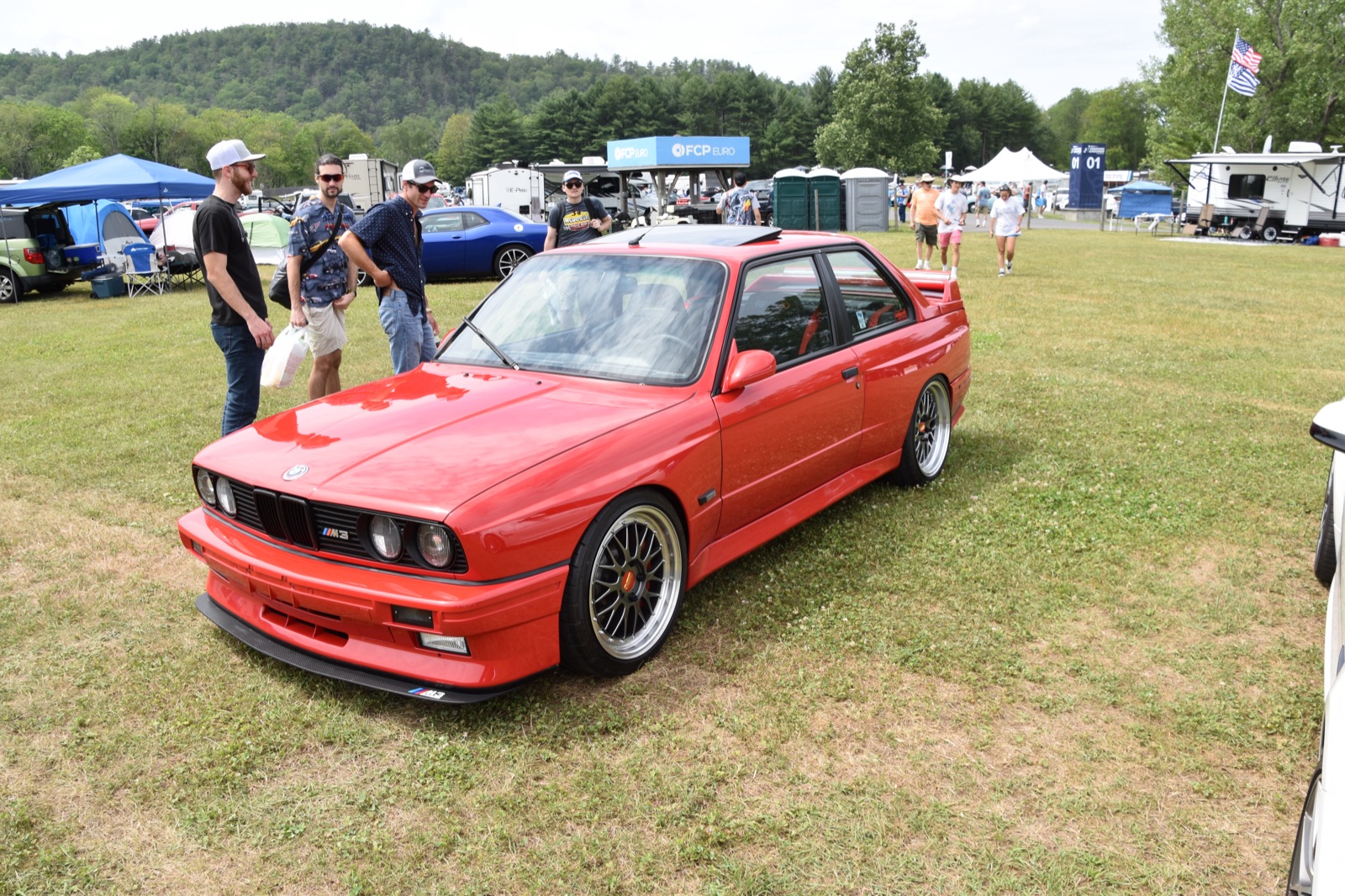
BMW E30 M3 front view

Homologation

The E30 M3 matters because it was built to win first

Every later M3 borrows something from the E30 story, but this is the only one whose entire shape and engineering pitch are inseparable from homologation logic.

Buyer relevance now

That is why provenance, numbers-matching confidence, and body correctness matter so much. Buyers are not just shopping condition; they are shopping historical legitimacy.

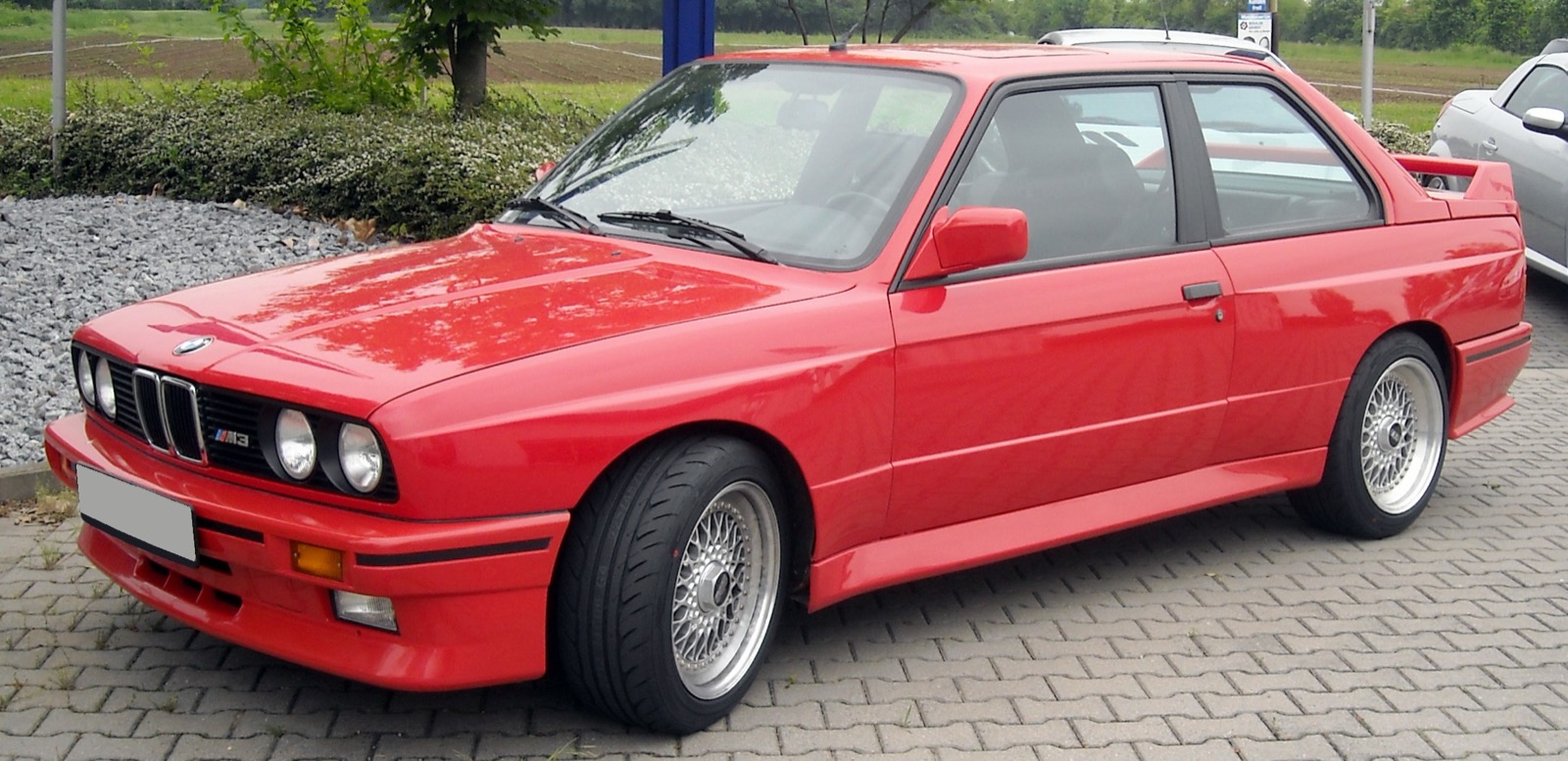
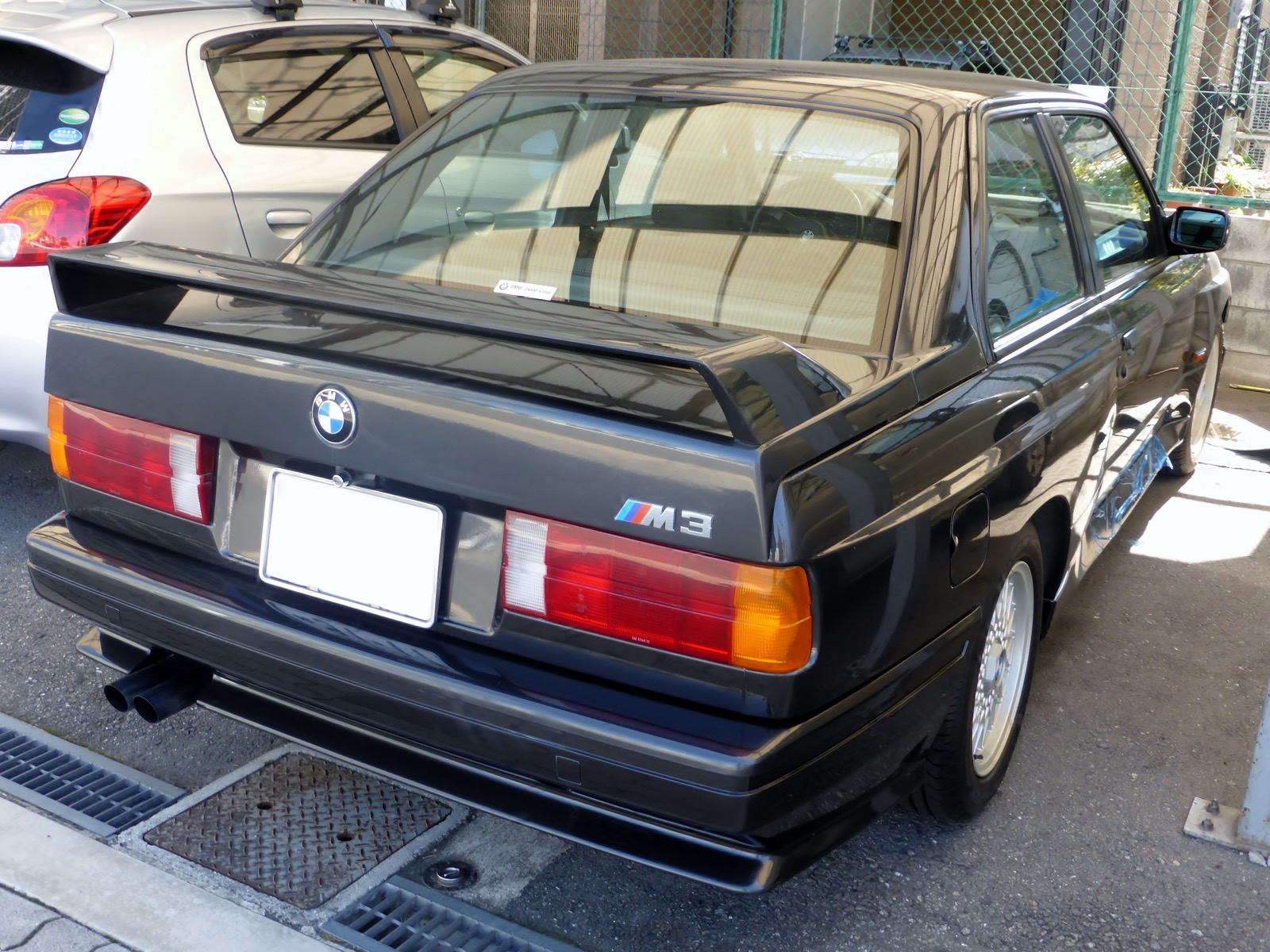
BMW E30 M3 profile

Collector market

The market is already past normal used-car behavior

The E30 M3 is not a broad-driver market anymore. It lives in the space where originality, known ownership, and rare variants move values more than simple mileage ranking.

Buyer relevance now

VINthusiast can still be useful here, but more as registry, prior-history, and known-car context than as a giant live inventory feed.

How to shop it

How to shop an E30 M3

The E30 M3 is a provenance-first collector car. Start with identity, market version, rust and restoration quality, then decide whether the price belongs to a driver, a restored car, or a true variant-tier example.

Identity

Verify what the car is before judging condition

Standard, Evolution, and Sport Evolution cars need separate comparison lanes. Market version, drivetrain correctness, VIN history, and original body details are the first gate, not the final footnote.

Body

Rust and restoration quality can outweigh mileage

A shiny E30 M3 with weak metalwork history is not a top-lane car. Look for documented rust repair, paint meter transparency, panel correctness, and a restoration file that can survive specialist scrutiny.

Originality

Factory hardware is part of the asset

Correct aero, wheels, interior, drivetrain details, and retained original parts matter because buyers are paying for homologation legitimacy. Tasteful changes still need receipts and a reversible path.

Known-car trail

Prior appearances are central evidence

Auction records, registry notes, older listings, and ownership continuity should all line up. If the story changes every time the car sells, the market should discount that uncertainty.

Variant split

Standard, Evolution, and Sport Evolution are different value tiers

Buyers do not shop all E30 M3s as one bucket. Standard cars, Evolution updates, and Sport Evolution examples live on the same family tree, but they sit in very different price and provenance lanes.

BMW E30 M3 standard car front view

Core homologation car

Standard E30 M3

The foundational road-going homologation version and still the broadest market entry point

Most buyers still begin with authenticity, rust history, and drivetrain correctness before rarity language

Driver-grade and restored examples can trade in very different lanes even before you reach the rarer special editions

BMW E30 M3 Evolution view

Factory development step

Evolution / Evolution II

A more specialized branch for buyers who care about the development path, not just the base silhouette

Production context and documentation matter more because the market pays for verified specification

These cars should be comped against the right variant set, not simply against ordinary E30 M3s

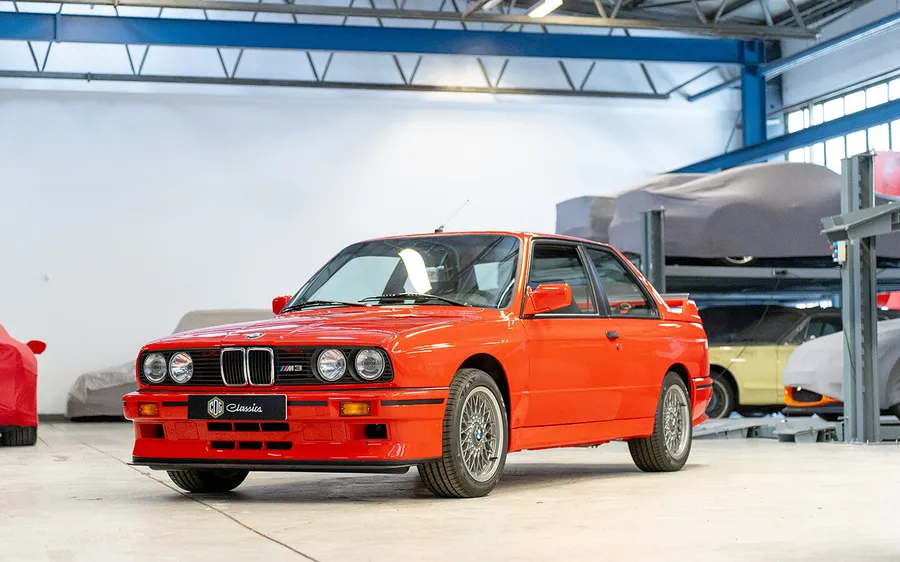
BMW E30 M3 Sport Evolution view

Collector peak

Sport Evolution

The collector summit of the standard E30 M3 production story

Authenticity, history file, and known-car provenance are central because buyers treat these as true halo examples

Sport Evolution cars should be handled like distinct collector assets, not just highly priced standard E30s

Color guide

Palette, interior trims, and original brochure context

The dedicated guide is where the brochure-style palette work lives: exterior colors, interior trims, notable combinations, and the original factory brochure when we have it.

That matters because buyers rarely compare cars as blank used inventory. They compare them against the factory identity they already have in their head.

More visual context

Extra images that help the car read more clearly

3 details
Canadian-Market 1988 BMW M3 preview

Detail 1

Canadian-Market 1988 BMW M3 preview

1990 BMW M3 preview

Detail 2

1990 BMW M3 preview

1988 BMW M3 preview

Detail 3

1988 BMW M3 preview

Model History

Why BMW M3 (E30) matters

The E30 M3 is the foundational BMW M collector car and still the clearest link between the road cars and motorsport intent.

Its market works differently than later volume M3s because the buyer set already thinks in terms of provenance, rarity, and correctness.

It belongs on VINthusiast because it gives the site historical credibility and a true halo model.

Technical Specs

Key numbers and layout

Canadian-Market 1988 BMW M3 preview

Engine

S14 naturally aspirated four-cylinder

Transmission

5-speed manual

Layout

Rear-drive homologation coupe

Variant note

Evo and Sport Evolution matter

Market note

History-heavy collector market

VINthusiast role

Registry and context first

Equipment Checklist

Factory equipment and options matter too

The model page should explain the car at a high level. The deeper factory-equipment guide breaks down what came standard, what could be ordered, and which details buyers actually care about when comparing real cars today.

Open factory equipment guide

Confirm factory wheels, seats, trim, and major packages against the build story.

Use color and interior pairing as part of the valuation read, not just presentation.

Separate top-lane collector specs from driver-grade cars before using comps.

Check that original hardware accompanies the car when meaningful parts have been changed.

Production Context

Production context for real buyers

Production totals matter here, but variant and provenance matter even more. This is a chassis where special editions, market versions, and known-car identity can materially change value.

Core identity

Original homologation M3

Buyer lens

Collector / provenance first

Market behavior

Thin, variant-sensitive

Variant hierarchy matters as much as the topline count

The combo-level production story

The E30 page should ultimately separate standard 2.3 cars from Evolution and Sport Evolution examples whenever we have enough data to do it cleanly.

On this chassis, provenance and documented market version matter more than mileage sorting by itself.

Core production story

Base car

2.3-liter homologation model

Later factory split

Evolution, Evolution II, and Sport Evolution

Market effect

Special-edition hierarchy changes the comp set immediately

Why buyers care

Numbers alone are not enough

Market version, drivetrain correctness, and documented originality move the real value

Collector behavior

Sport Evolution and other known special cars are not comped like ordinary driver-grade E30 M3s

VINthusiast role

Production context, prior auction history, and known-car identity matter more than feed volume

Buyer Checklist

What to verify before buying

1

Start with authenticity, market version, and provenance before cosmetic condition.

2

Treat restoration quality as seriously as originality; poorly executed work can do lasting damage in this market.

3

Expect known-car history, prior auction records, and specialist validation to matter.

Service Cadence

What well-serviced looks like

Service history matters, but provenance and correct long-term stewardship matter even more.

Age-related recommissioning can be as important as normal maintenance intervals.

Collector-grade pricing should come with a file to support it.

Documentation Signals

Strong file vs caution file

Strong signals

Known ownership history, specialist records, and strong provenance trail.

Authenticity on body, drivetrain, and rare variant details.

Clear prior auction or registry history that matches the seller narrative.

Caution signals

Thin provenance at collector-level pricing.

Restoration claims without specialist evidence.

Heavy modifications presented as investment-grade originality.

CARFAX / service-file lens

A clean history report is helpful, but it is not enough on its own. The buyers who pay strong money for this model want service cadence, specialist invoices, and proof that the expensive known items were addressed at believable mileage intervals.

Current Listings

Active inventory for BMW M3 (E30)

10 cars