Model Focus

BMW Z1

The doors-in-the-sills BMW experiment that became a cult object.

The Z1 is one of BMW’s strangest and most charming enthusiast cars: plastic body panels, disappearing doors, roadster format, and a cult following built on design daring more than outright performance numbers.

Visual details

3 shots
1989 BMW Z1 preview
1989 BMW Z1 preview
1989 BMW Z1 preview

Character

The doors-in-the-sills BMW experiment that became a cult object.

Market lens

Spec, mileage, service, originality

VINthusiast

Enthusiast-first market intelligence with real ownership context

Why enthusiasts love it

  • Retracting doors and concept-car feel
  • Distinctive low-volume BMW roadster identity
  • A niche model with real cult pull and high curiosity

Common issues

  • Special mechanisms and body-panel details are part of the buying risk
  • Thin inventory means known-car history matters a lot
  • Buyer confidence will depend heavily on correctness and specialist knowledge

5 key facts

The fast way to understand the car

buyer context first

Engine

M20 2.5L inline-six

Body style

Roadster with retracting doors

Identity

BMW concept-car-for-the-road

Gearbox

5-speed manual

Market lane

Niche cult BMW

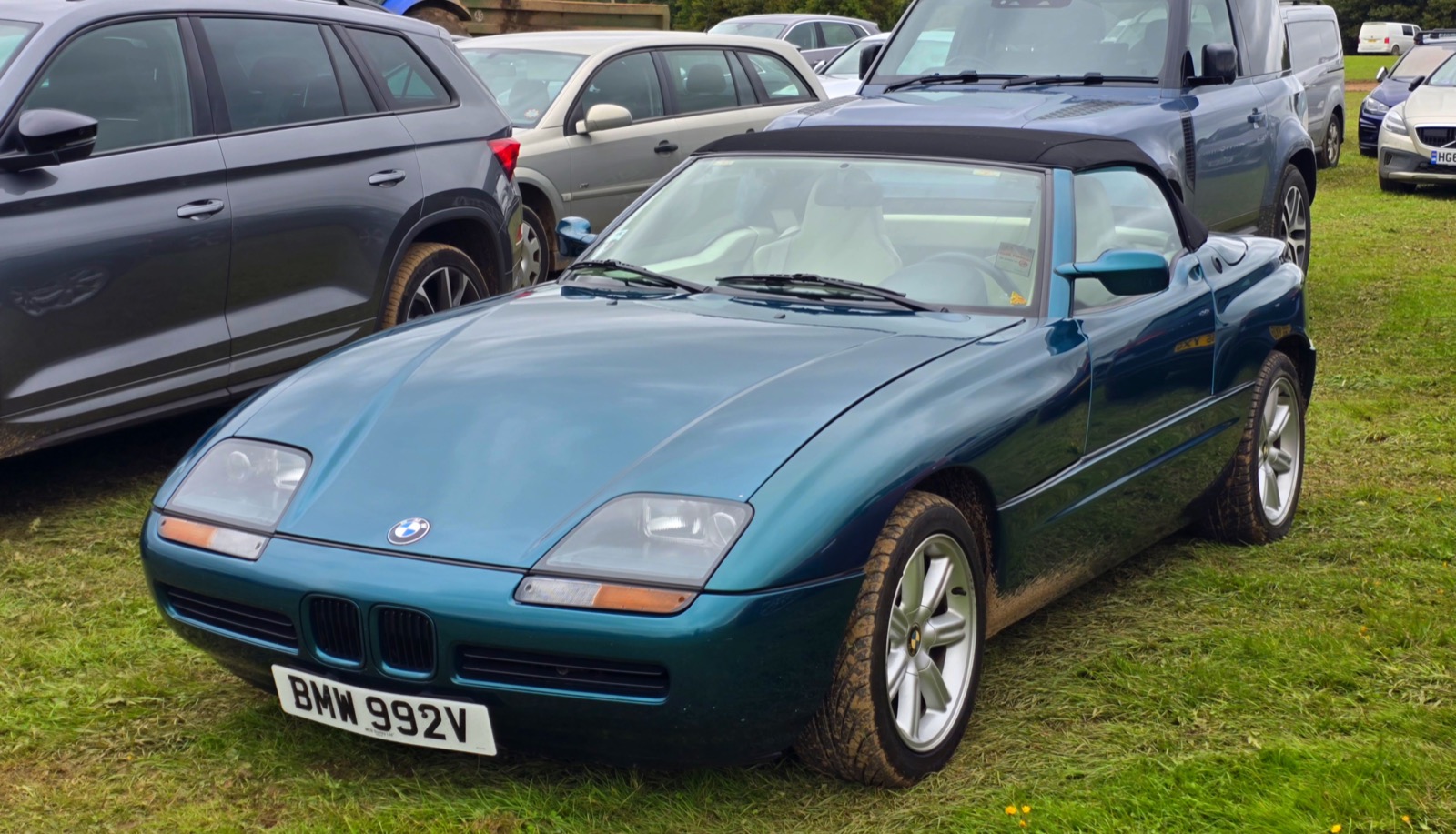
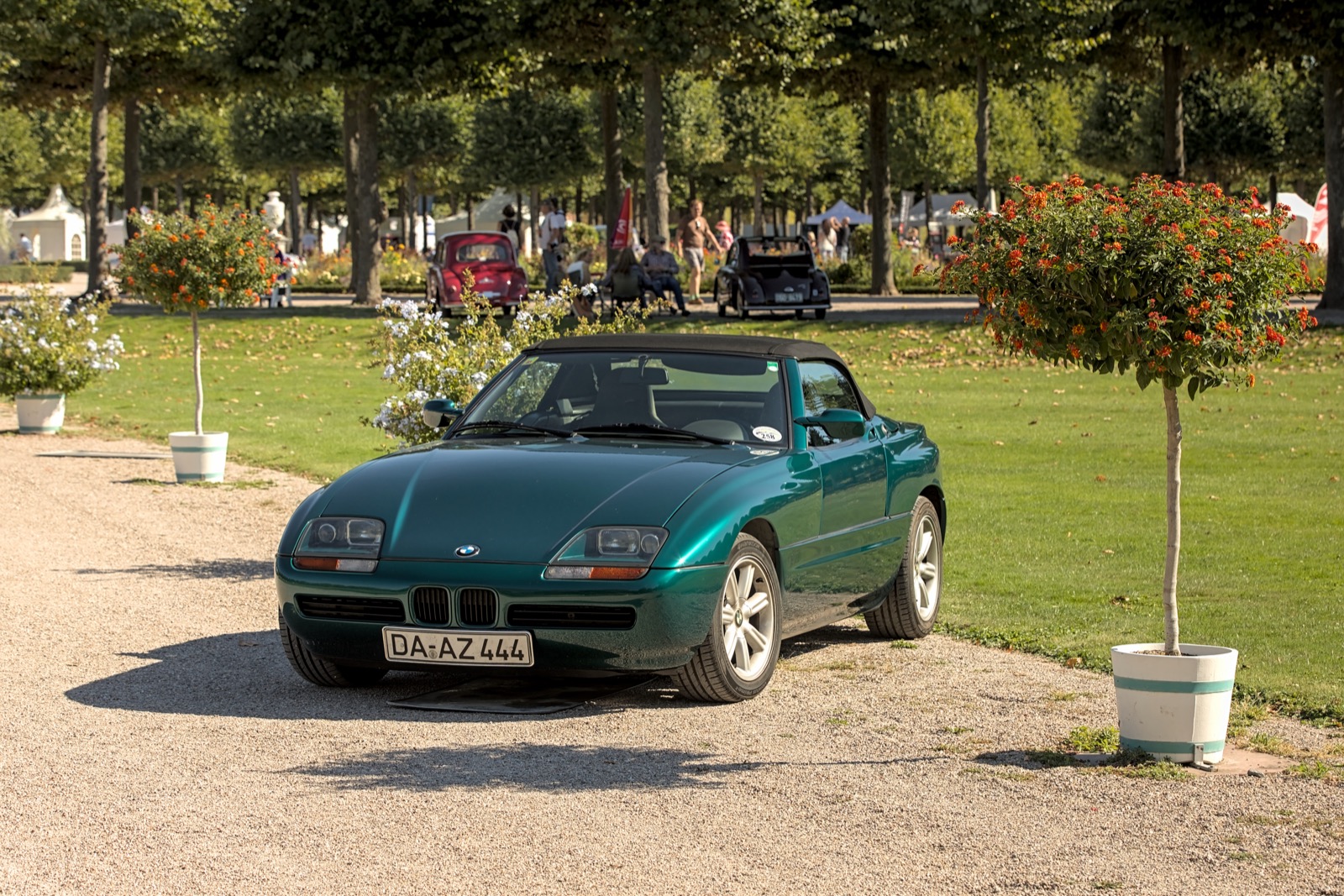
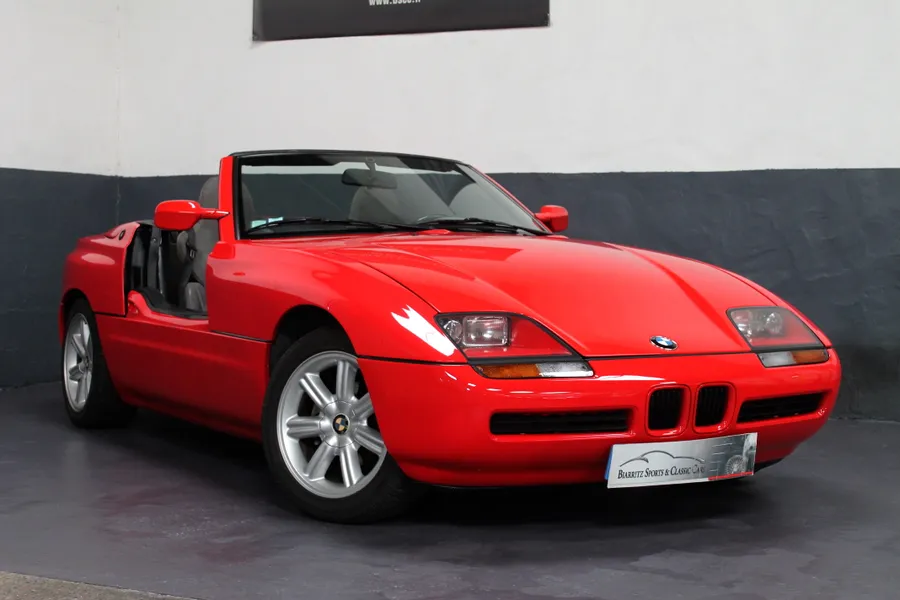
BMW Z1 front three-quarter

Concept energy

The Z1 feels like BMW made a design study and forgot to stop

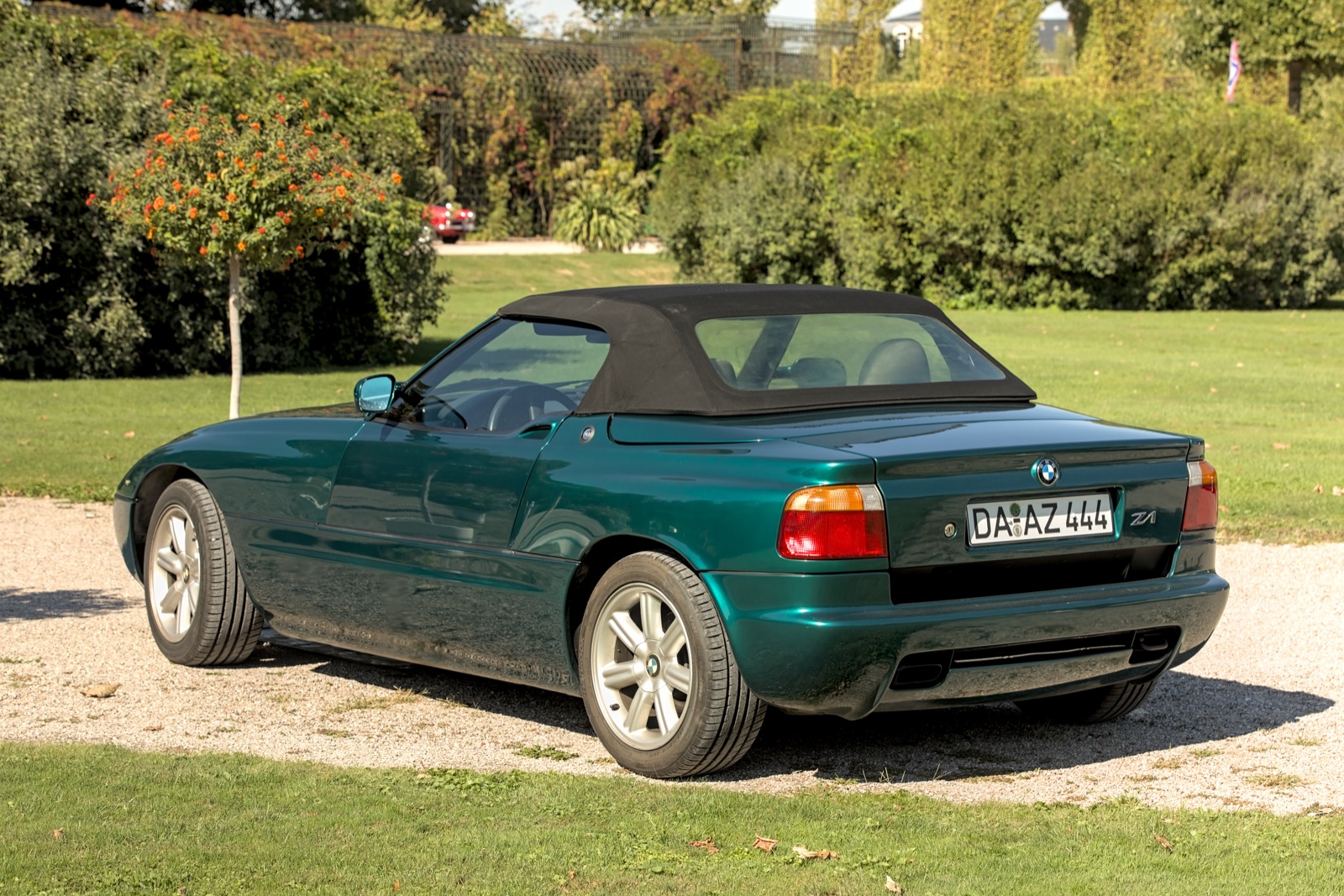
The Z1’s retracting doors, unusual plastics, and low-volume roadster shape make it one of the few BMWs whose engineering experiment is the first thing buyers talk about.

Buyer relevance now

That means mechanism health, body-panel correctness, and completeness matter as much as traditional sports-car metrics. You are buying the whole concept, not just a spec sheet.
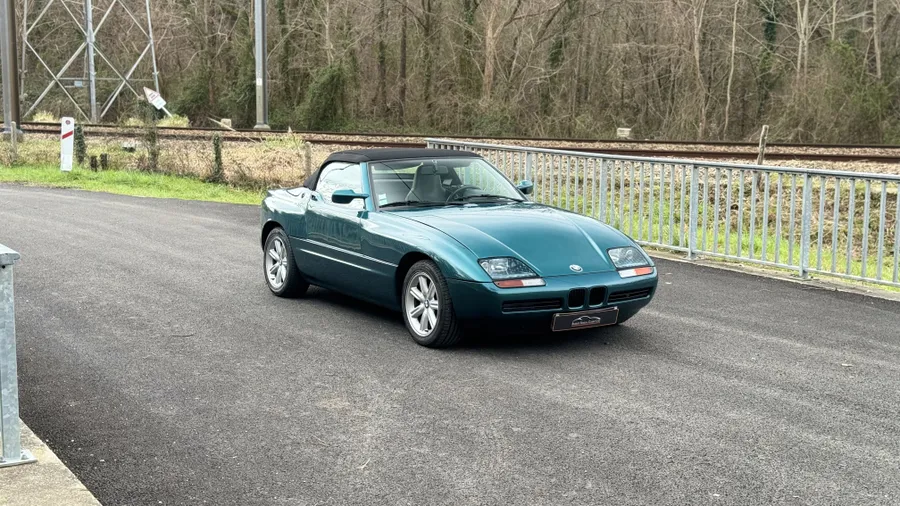
BMW Z1 profile

Why it belongs

The Z1 expands the brand story without leaving BMW enthusiast territory

It is not an M car, but it absolutely belongs in a BMW enthusiast intelligence platform because it shows how the site can handle iconic niche models with distinct buyer logic.

Buyer relevance now

This is the kind of car where VINthusiast can be valuable through archive context, prior appearances, and known-car history rather than giant live inventory.

How to shop it

How to shop a BMW Z1

Start by putting the car in the right generation and spec lane, then use records, color, equipment, and prior appearances to decide whether the asking price is actually supported.

Spec lane

Do not flatten the model into one price bucket

Body style, gearbox, drivetrain, color, interior, and special-package context can move buyer interest as much as mileage. Compare like with like before drawing a market conclusion.

Factory equipment

Correct hardware is part of the value

Wheels, seats, trim, brakes, exterior details, and retained original parts help prove that the car still belongs in its claimed lane instead of just wearing the right badge.

Records

The file has to match the ask

Service history, inspection results, ownership continuity, paint disclosure, and modification receipts should scale with the asking price. Thin records are a real market discount.

Comps

Prior listings are part of the guide

Repeat appearances help show whether a car is improving, aging honestly, or circulating with a story that keeps getting thinner. That history should influence how the current listing reads.

Color guide

Palette, interior trims, and original brochure context

The dedicated guide is where the brochure-style palette work lives: exterior colors, interior trims, notable combinations, and the original factory brochure when we have it.

That matters because buyers rarely compare cars as blank used inventory. They compare them against the factory identity they already have in their head.

More visual context

Extra images that help the car read more clearly

3 details
1989 BMW Z1 preview

Detail 1

1989 preview

1989 BMW Z1 preview

Detail 2

1989 preview

1989 BMW Z1 preview

Detail 3

1989 preview

Model History

Why BMW Z1 matters

The Z1 is a true BMW cult model: unusual, engineering-led, and memorable far beyond its production volume.

It helps broaden VINthusiast without drifting into off-brand territory because it is still deeply rooted in BMW enthusiast identity.

This is a model where archive/history and education may matter more than live inventory volume.

Technical Specs

Key numbers and layout

1989 BMW Z1 preview

Engine

2.5L M20 inline-six

Transmission

5-speed manual

Layout

Rear-drive roadster

Body note

Retracting doors and removable panels

Market note

Cult niche BMW

VINthusiast role

Archive, history, and context

Equipment Checklist

Factory equipment and options matter too

The model page should explain the car at a high level. The deeper factory-equipment guide breaks down what came standard, what could be ordered, and which details buyers actually care about when comparing real cars today.

Open factory equipment guide

Confirm factory wheels, seats, trim, and major packages against the build story.

Use color and interior pairing as part of the valuation read, not just presentation.

Separate top-lane collector specs from driver-grade cars before using comps.

Check that original hardware accompanies the car when meaningful parts have been changed.

Production Context

Production context for real buyers

The Z1 is a niche low-volume BMW, which means the buyer story will likely depend more on correctness and known-car context than on active market depth.

Format

Low-volume experimental roadster

Identity

Retracting-door BMW cult car

Buyer lens

Correctness and mechanism health

The Z1 market is thin, which makes correctness matter more

The combo-level production story

The Z1 page should eventually get a real color-and-interior combo section because surviving cars often get judged by unusual spec and completeness together.

Low-volume buyer logic

Primary risk

Mechanism condition and body-panel correctness

Market structure

Thin inventory, high curiosity, and very uneven documentation quality

Comp behavior

Known-car context matters more than broad active listing count

What changes value most

Door and mechanism health

The car’s defining engineering trick is part of the purchase decision, not a novelty footnote

Body and trim completeness

The right panels, fit, and specialist care matter more than ordinary used-car cosmetics

Ownership file

This is the kind of car where a real history file can separate one example from the next quickly

Buyer Checklist

What to verify before buying

1

Check door mechanism operation and body-panel fit before anything else.

2

Favor specialist knowledge and known-car history over generic collector-car marketing.

3

Treat completeness and originality as core parts of the buying story.

Service Cadence

What well-serviced looks like

Mechanism and age-related care matter as much as traditional drivetrain service.

Storage history is likely to be very important on surviving examples.

Thin-market cars need real files to support strong pricing.

Documentation Signals

Strong file vs caution file

Strong signals

Known-car history with specialist or enthusiast-owner documentation.

Mechanism-health evidence and complete ownership narrative.

Strong originality and completeness signals.

Caution signals

Concept-car mystique doing all the work while records stay thin.

Mechanism issues or body-panel concerns without clear specialist guidance.

Optimistic pricing unsupported by history.

CARFAX / service-file lens

A clean history report is helpful, but it is not enough on its own. The buyers who pay strong money for this model want service cadence, specialist invoices, and proof that the expensive known items were addressed at believable mileage intervals.

Current Listings

Active inventory for BMW Z1

4 cars