Model Focus

BMW M3 (F80)

The turbocharged four-door M3 that reset the modern market.

The F80 M3 is the sedan version of the turbo-era M3 formula: S55 power, real daily usability, and a market that already splits hard by transmission, Competition Package, CS adjacency, mileage, and modification level.

Visual details

3 shots
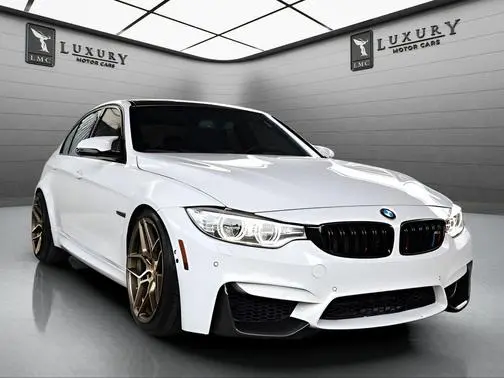
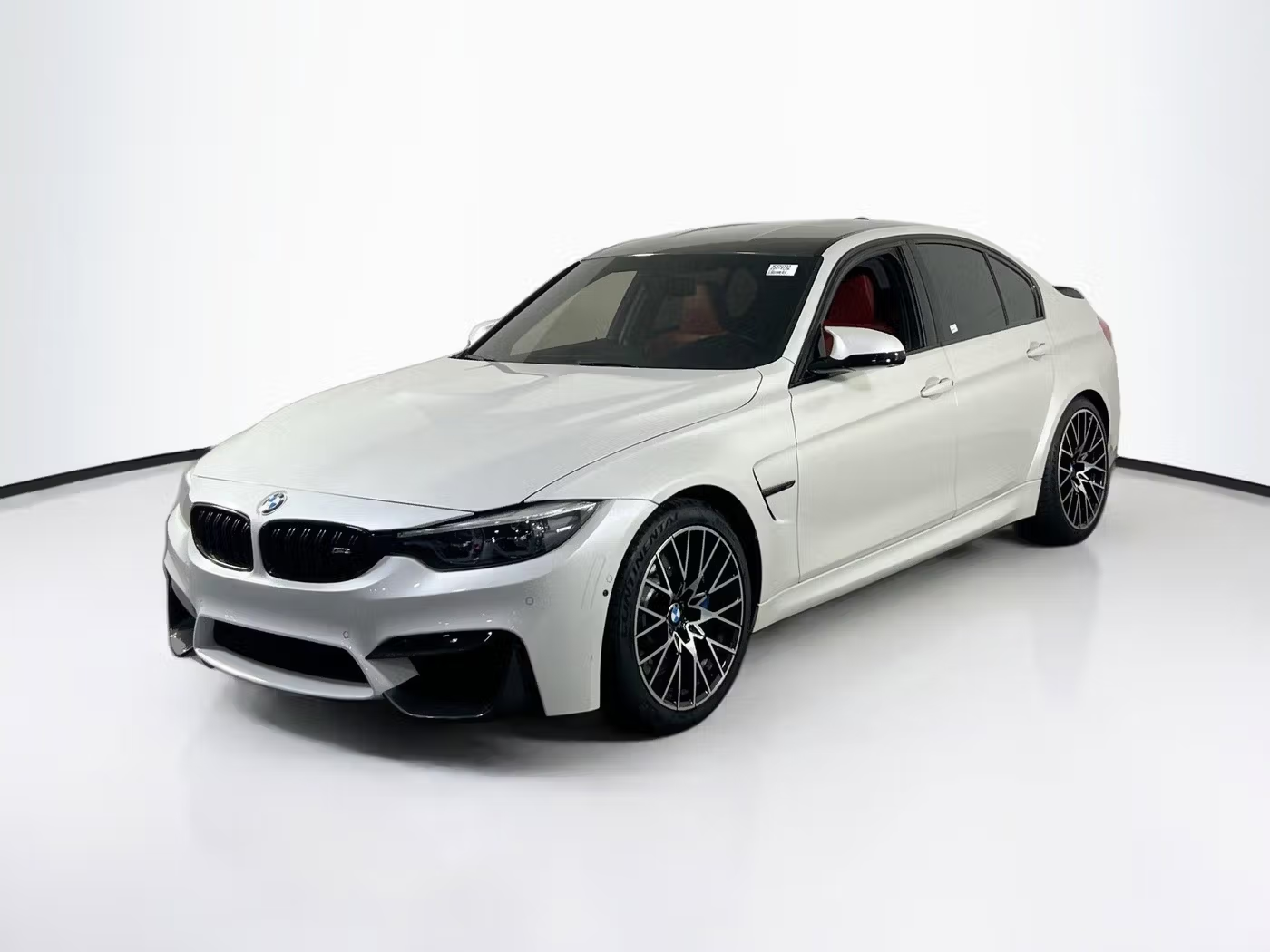
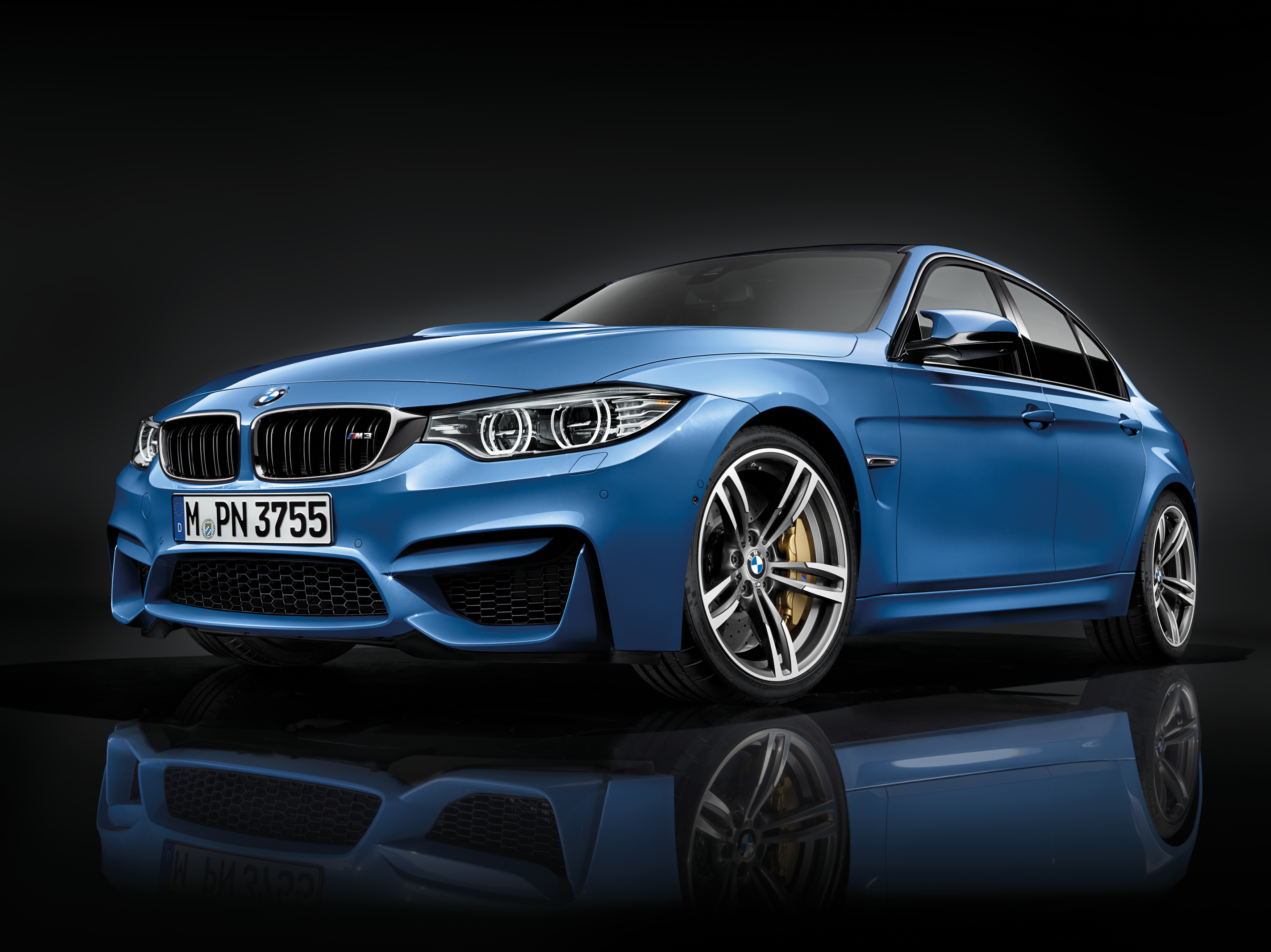
BMW F80 M3 front three-quarter studio view
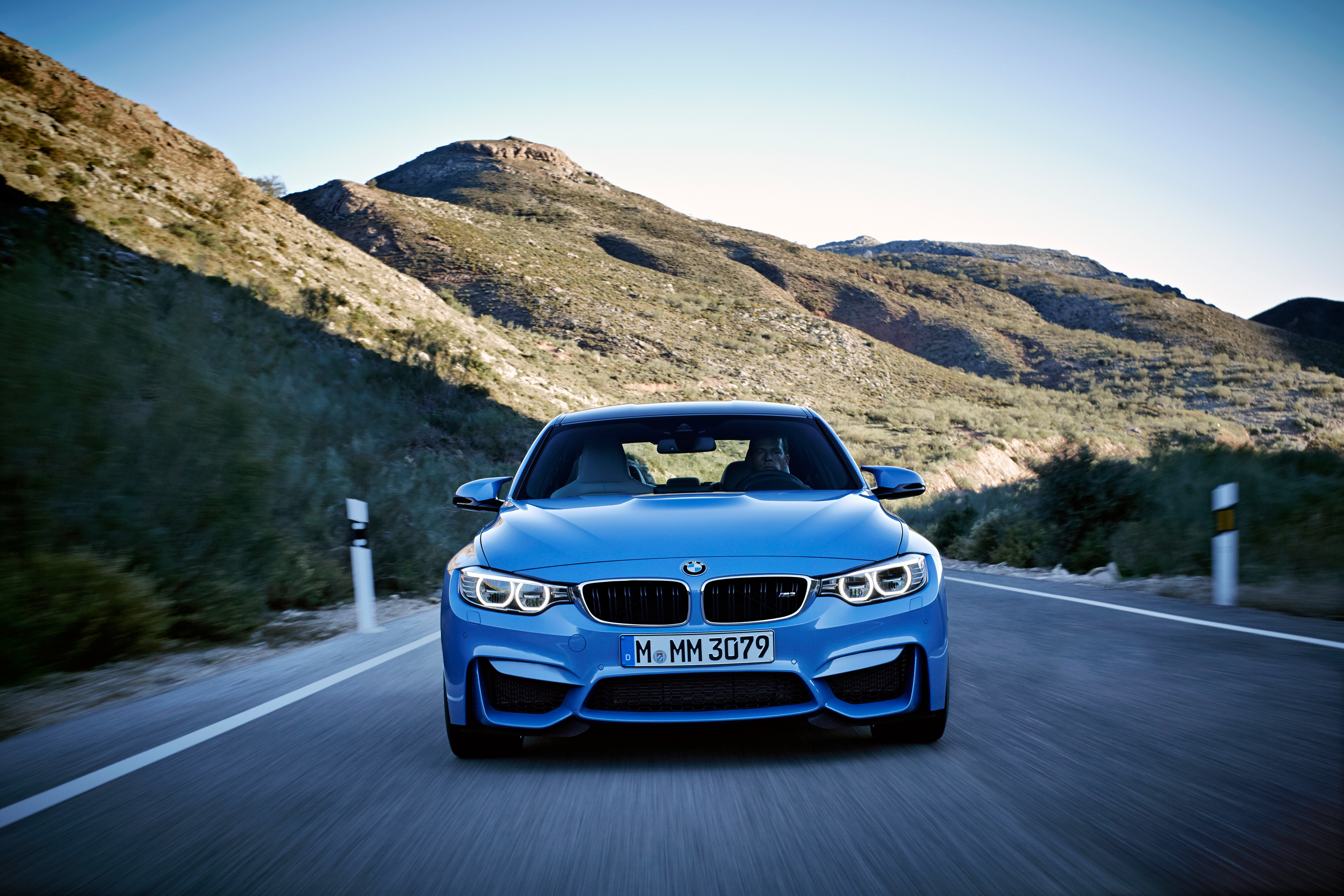
BMW F80 M3 front driving view
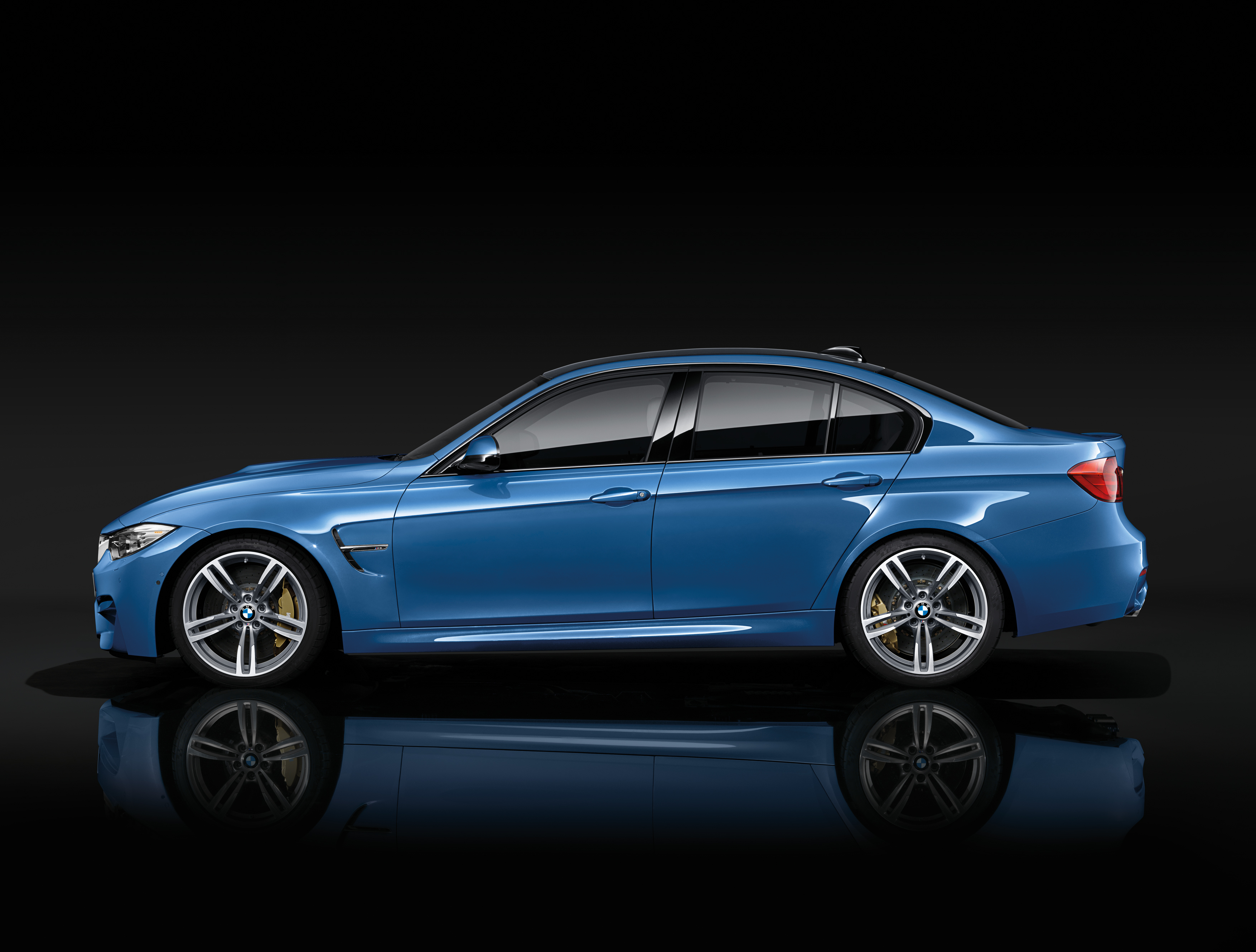
BMW F80 M3 side profile

Character

The turbocharged four-door M3 that reset the modern market.

Market lens

Spec, mileage, service, originality

VINthusiast

Enthusiast-first market intelligence with real ownership context

Why enthusiasts love it

  • Sedan practicality with real M-car pace
  • S55 torque and tuning headroom create a large enthusiast base
  • Manual, Competition, and stock-ish cars all have clear market lanes

Common issues

  • Crank-hub anxiety affects market confidence even when the car is running well
  • Heavily modified cars complicate comps fast
  • Spec overlap hides real value differences between standard, Competition, and cleaner low-owner cars

5 key facts

The fast way to understand the car

buyer context first

Engine

S55 3.0L twin-turbo inline-six

Output

425 hp to 444 hp

Gearbox

6-speed manual or DCT

Body style

Sedan only

Market lane

Modern daily-driver M3

BMW F80 M3 front three-quarter studio view

Positioning

The F80 is the M3 that turned the sedan back into the main event

The F80 matters because it put the M3 badge back on a purposeful four-door body while introducing the turbocharged S55 era. It is less romantic than the E90 and more overtly modern, but it also brought the M3 back into the daily-driver performance lane in a big way.

Buyer relevance now

That means shoppers compare a lot of cars that look superficially similar. Transmission, Competition Package, carbon-roof status, seat spec, and clean ownership history do a lot of the value sorting here.
BMW F80 M3 side profile

Powertrain

The S55 changed the M3 conversation from revs to usable torque

The F80 trades the old naturally aspirated story for twin-turbo torque, huge tuning headroom, and a more forceful midrange. That made the car faster and more flexible, but it also changed what buyers talk about: crank hub anxiety, modification quality, and whether the car still feels factory-coherent.

Buyer relevance now

You cannot read the F80 market without separating stock-ish cars from tuned ones. A documented, lightly used manual car and a heavily modified DCT example are not the same buying proposition even if mileage is close.

BMW F80 M3 front driving view

Market behavior

The best cars win on spec discipline and believable ownership, not rarity alone

The F80 was built in meaningful volume, so the market is not driven by simple rarity. It reacts to the cleanest spec combinations, manual versus DCT preference, Competition Package desirability, and whether the seller kept the car close to factory intent.

Buyer relevance now

That makes service records, stock hardware retention, wheel and suspension choices, and tasteful modification boundaries more important than on older low-volume halo cars.

How to shop it

How to shop an F80 M3

The F80 is already split by standard, Competition, CS, transmission, tune history, and visual restraint. The best cars read as coherent factory-performance sedans rather than modified used inventory.

Variant lane

Standard, Competition, and CS cars need separate comps

Competition cars and CS examples should not be valued from ordinary sedan listings without adjustment. Start with the factory lane, then weigh mileage and condition.

Transmission

Manual and DCT buyers are overlapping, not identical

Manual cars carry a different enthusiast signal, while DCT cars can be the sharper performance buy. Compare each against its own demand pool before deciding what is cheap or expensive.

Modification risk

Tune history needs receipts and restraint

Crank hub anxiety, aggressive tunes, downpipes, suspension changes, and track use all need documentation. Stock or thoughtfully maintained cars deserve more trust than vague high-power claims.

Spec coherence

Color, seats, wheels, and carbon details change buyer confidence

The strongest F80s have a clear build story: desirable color, coherent interior, correct wheels, and options that match the asking price rather than a random pile of add-ons.

Variant split

Standard, Competition, and CS-adjacent cars need separate context

The F80 market only makes sense when you separate the early standard cars, the Competition Package lane, and the more special late-cycle cars. Buyers do not treat them as one flat bucket.

BMW F80 M3 standard car front three-quarter studio view

Core market

Standard F80 M3

The main F80 market where transmission, color, mileage, and owner quality do most of the ranking work

Best read as a stock-or-close-to-stock daily-driver M3 rather than a collector special

Manual and clean-spec cars already sit in their own stronger submarket

BMW F80 M3 Competition side profile

Main step-up

Competition Package

Late-cycle step-up that buyers actively search for, not just a minor option box

Changes in chassis tuning, seats, wheels, and overall market perception matter here

Often the strongest lane for buyers who want the modern F80 story without drifting into heavily modified territory

BMW F80 M3 driving reference view

Reference point

CS / halo context

The top-reference branch of the family tree, useful as context but not the normal direct comp set

Shows where the market starts rewarding lighter-weight, sharper, more special late-cycle cars

Helps explain why clean Competition cars and very strong standard cars should not be blended thoughtlessly

Color guide

Palette, interior trims, and original brochure context

The dedicated guide is where the brochure-style palette work lives: exterior colors, interior trims, notable combinations, and the original factory brochure when we have it.

That matters because buyers rarely compare cars as blank used inventory. They compare them against the factory identity they already have in their head.

Signature details

Small visual details that define the car

3 details
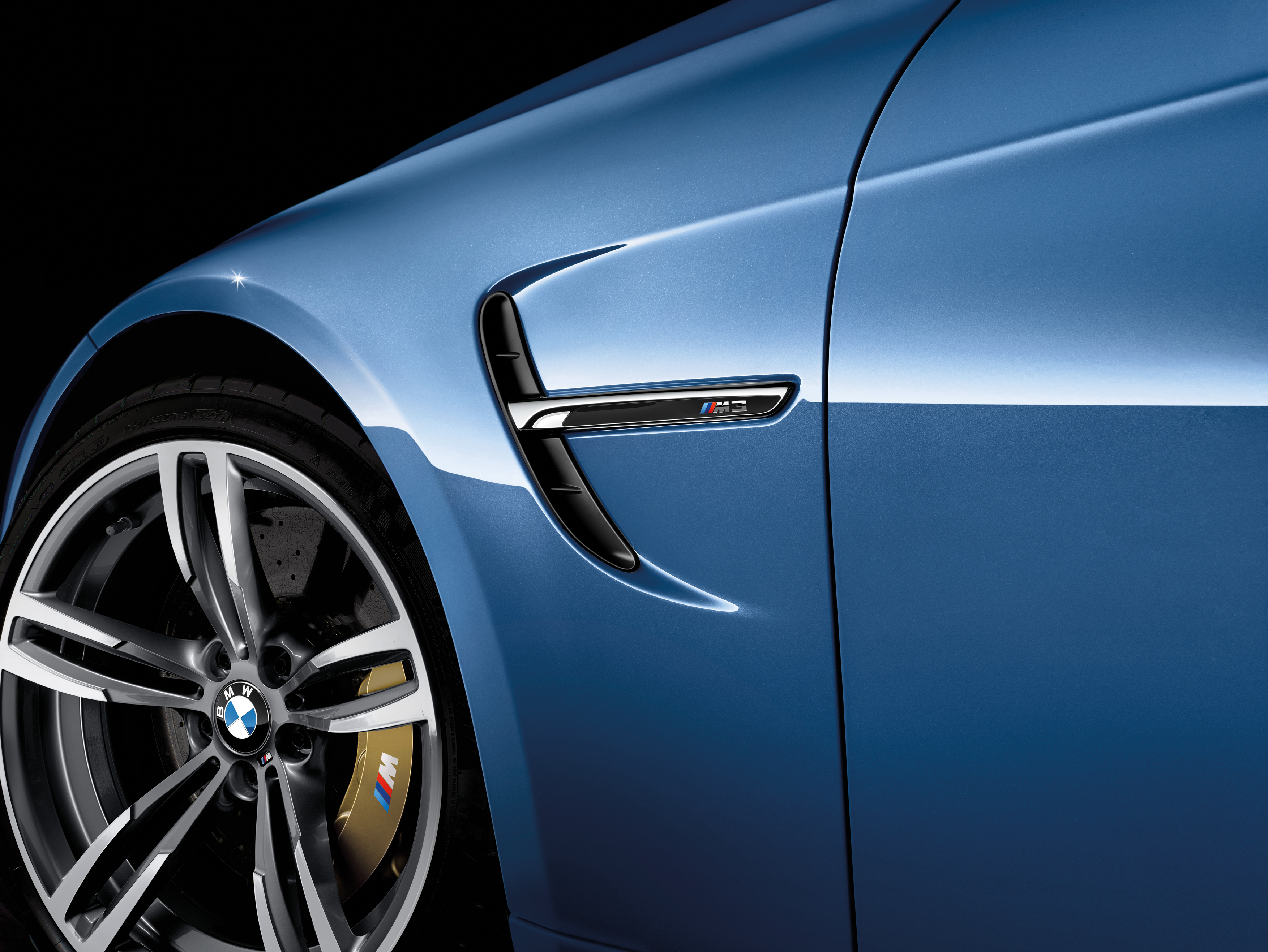
BMW F80 M3 front fender and wheel detail

Detail 1

BMW F80 M3 front fender and wheel detail

BMW F80 M3 side profile detail

Detail 2

BMW F80 M3 side profile detail

BMW F80 M3 front fascia in motion

Detail 3

BMW F80 M3 front fascia in motion

Model History

Why BMW M3 (F80) matters

The F80 re-established the M3 as a serious sedan after the E92 coupe became the visual center of the E9x family.

It introduced the S55 turbo era and made the M3 faster, more flexible, and easier to use every day, even if some buyers still miss the old naturally aspirated character.

Its market is now mature enough that buyers care less about brochure numbers and more about spec discipline, ownership quality, and whether the car still feels intact.

Technical Specs

Key numbers and layout

BMW F80 M3 front fender and wheel detail

Engine

3.0L S55 twin-turbo inline-six

Output

425 hp standard / 444 hp Competition

Transmission

6-speed manual or 7-speed DCT

Body style

Sedan

Layout

Rear-drive turbo sports sedan

Market note

Spec and modification sensitive

Equipment Checklist

Factory equipment and options matter too

The model page should explain the car at a high level. The deeper factory-equipment guide breaks down what came standard, what could be ordered, and which details buyers actually care about when comparing real cars today.

Open factory equipment guide

Competition Package, carbon roof, and seat spec clearly documented

Correct wheel and brake package still on the car if it is being sold as stock-spec

Original exhaust, downpipes, and tuning status made explicit

Tire brand, brake wear, and suspension story coherent with the asking price

Two keys, manuals, service file, and mod-reversal history if modified in the past

Confirm factory wheels, seats, trim, and major packages against the build story.

Use color and interior pairing as part of the valuation read, not just presentation.

Separate top-lane collector specs from driver-grade cars before using comps.

Check that original hardware accompanies the car when meaningful parts have been changed.

Production context

Production context for real buyers

The F80 is not a low-volume collectible by default. Its value comes from how the market splits standard cars, Competition cars, and the cleanest manual or lightly modified examples into different lanes.

Production run

2014-2018

Body style

Sedan only

Engine

S55 3.0L twin-turbo inline-six

Transmissions

6MT / 7-speed DCT

Buyer Checklist

What to verify before buying

1

Read every F80 through the lens of stock versus modified first.

2

Treat crank-hub discussion, tuning history, and service cadence as core diligence, not forum trivia.

3

Manual and Competition cars usually deserve their own comp set.

4

If the car is presented as a clean enthusiast example, the wheel, suspension, and exhaust story should still read disciplined.

Service Cadence

What well-serviced looks like

Oil-service rhythm and brake-fluid intervals matter more than long factory intervals on enthusiast-owned cars.

The best cars show regular service even when mileage stays moderate.

Modified cars need a believable paper trail, not just a parts list.

Documentation Signals

Strong file vs caution file

Strong signals

Clear service history with honest modification disclosure.

Stock-hardware retention or thoughtful, reversible modifications.

Manual or Competition examples with clean ownership and presentable cosmetics.

Caution signals

Aggressive tune or downpipe story with weak service records.

Seller calling the car 'fully built' without a coherent maintenance file.

Price anchored to rarity language rather than condition, spec, and ownership quality.

CARFAX / service-file lens

A clean history report is helpful, but it is not enough on its own. The buyers who pay strong money for this model want service cadence, specialist invoices, and proof that the expensive known items were addressed at believable mileage intervals.

Current Listings

Active inventory for BMW M3 (F80)

54 cars