Model Focus

BMW M3 (E36)

The M3 that grew up, spread out, and split into very different markets.

The E36 M3 matters because it broadened the M3 into a real-world performance car. It also created a lasting split between Europe’s higher-spec S50 cars and the U.S.-market S52 story, which means buyers cannot treat every E36 M3 as the same thing.

Visual details

3 shots
BMW E36 M3 coupe front three-quarter
BMW E36 M3 sedan profile
BMW E36 M3 sedan rear three-quarter

Character

The M3 that grew up, spread out, and split into very different markets.

Market lens

Spec, mileage, service, originality

VINthusiast

Enthusiast-first market intelligence with real ownership context

Why enthusiasts love it

  • Hydraulic, analog M3 feel with more usability than the E30
  • Real body-style and market-spec variety
  • Still feels like a driver’s car rather than a museum piece when bought well

Common issues

  • Deferred cooling and VANOS upkeep can hide behind tidy photos
  • Modification and track-use history complicate comps fast
  • Interior wear and tired suspension change the ownership feel more than sellers admit

5 key facts

The fast way to understand the car

buyer context first

Engines

S50 / S52 depending market

Body styles

Coupe, sedan, convertible

Identity

Expanded, real-world M3

Gearbox

5-speed manual, 6-speed Euro, auto on some cars

Market lane

Spec-sensitive analog M3

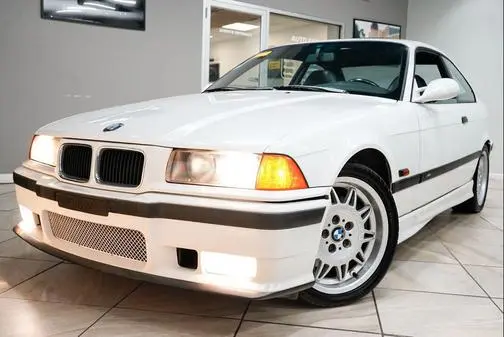
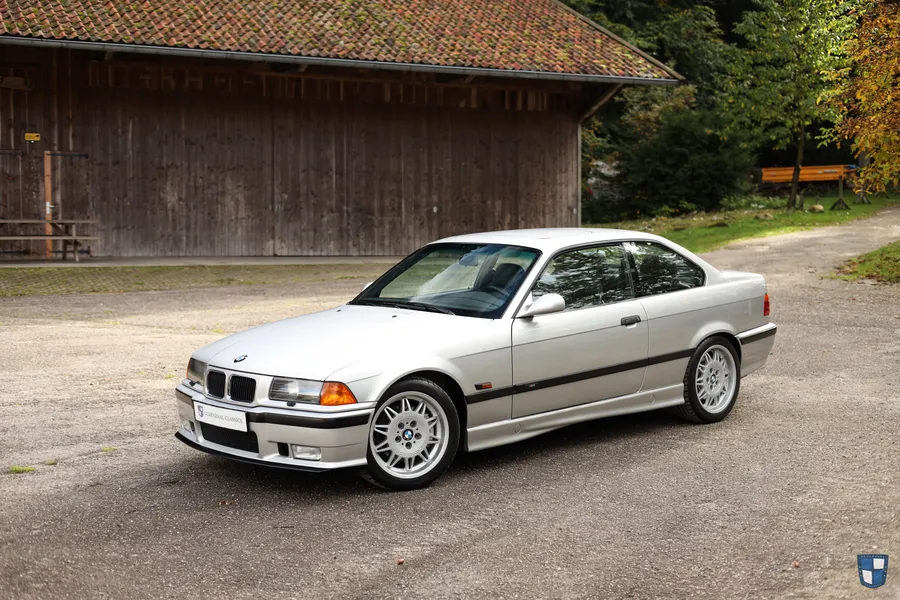
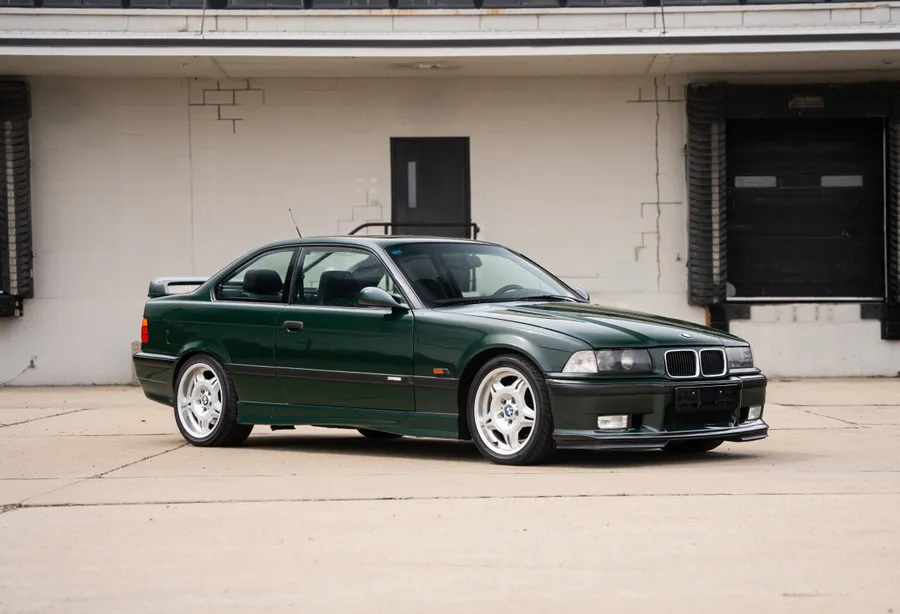
BMW E36 M3 coupe front three-quarter

Market split

Europe and North America did not get the same E36 M3 story

The E36 is one of the clearest BMW cases where region changes the whole buying logic. European cars got the more exotic S50 path and broader homologation energy, while U.S. cars became the more attainable, more numerous, and mechanically simpler enthusiast lane.

Buyer relevance now

That means production context, engine code, and market region matter immediately. A U.S. S52 coupe should not be marketed with the same assumptions as a Euro 3.2 car or lightweight special.

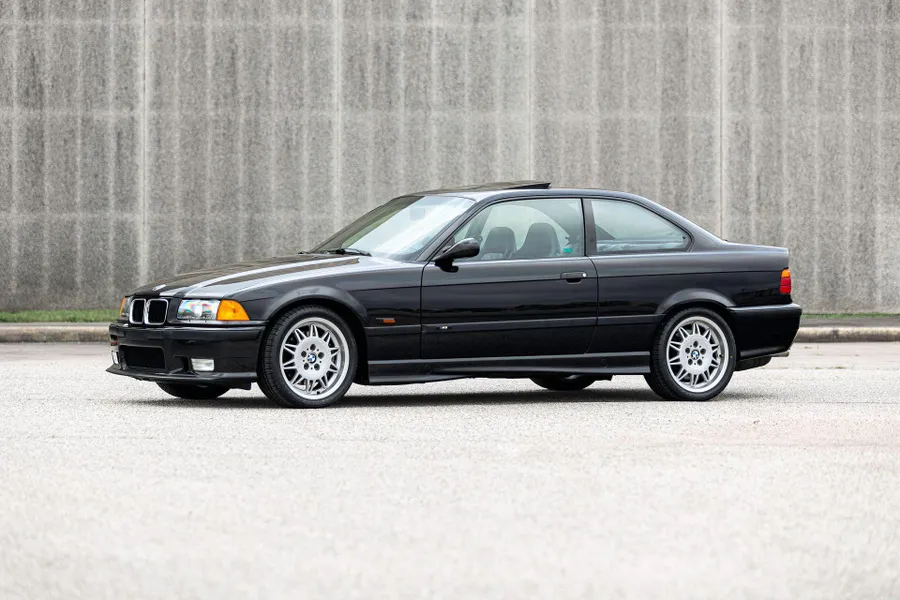
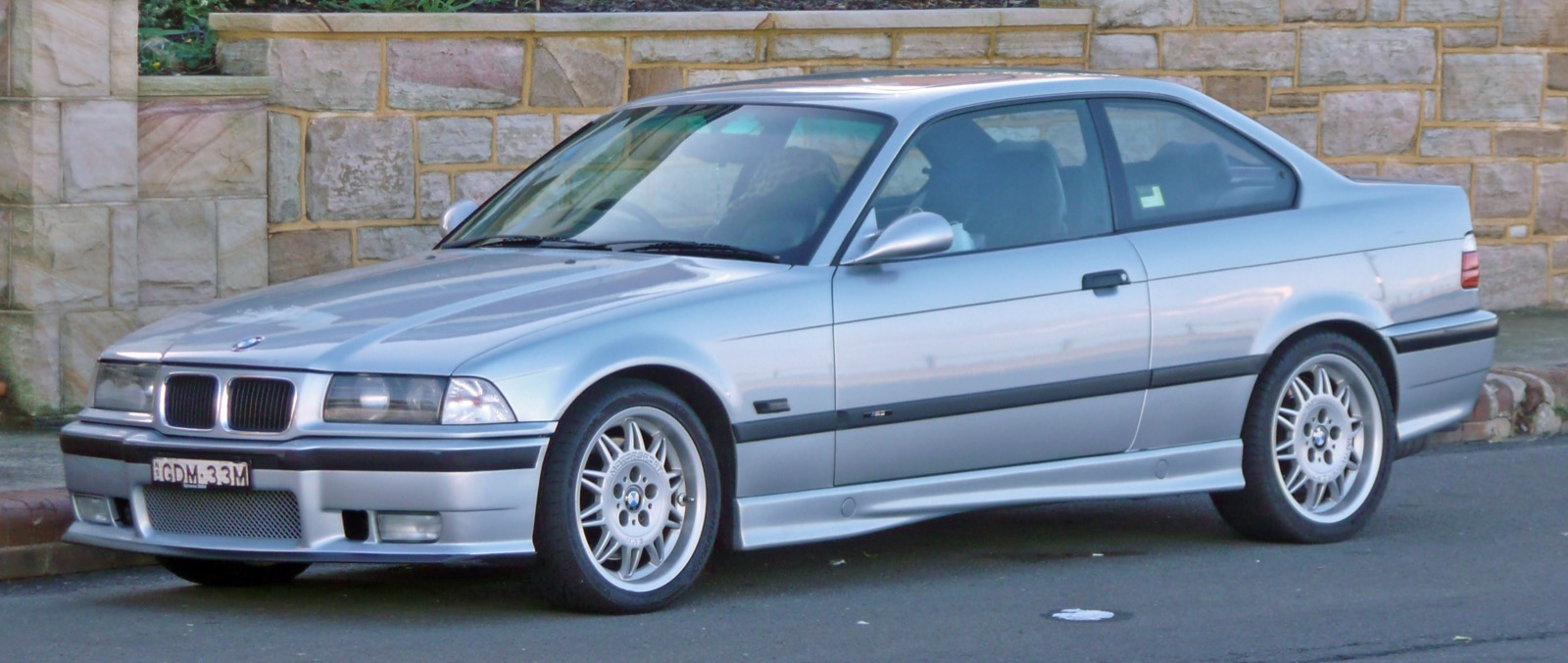
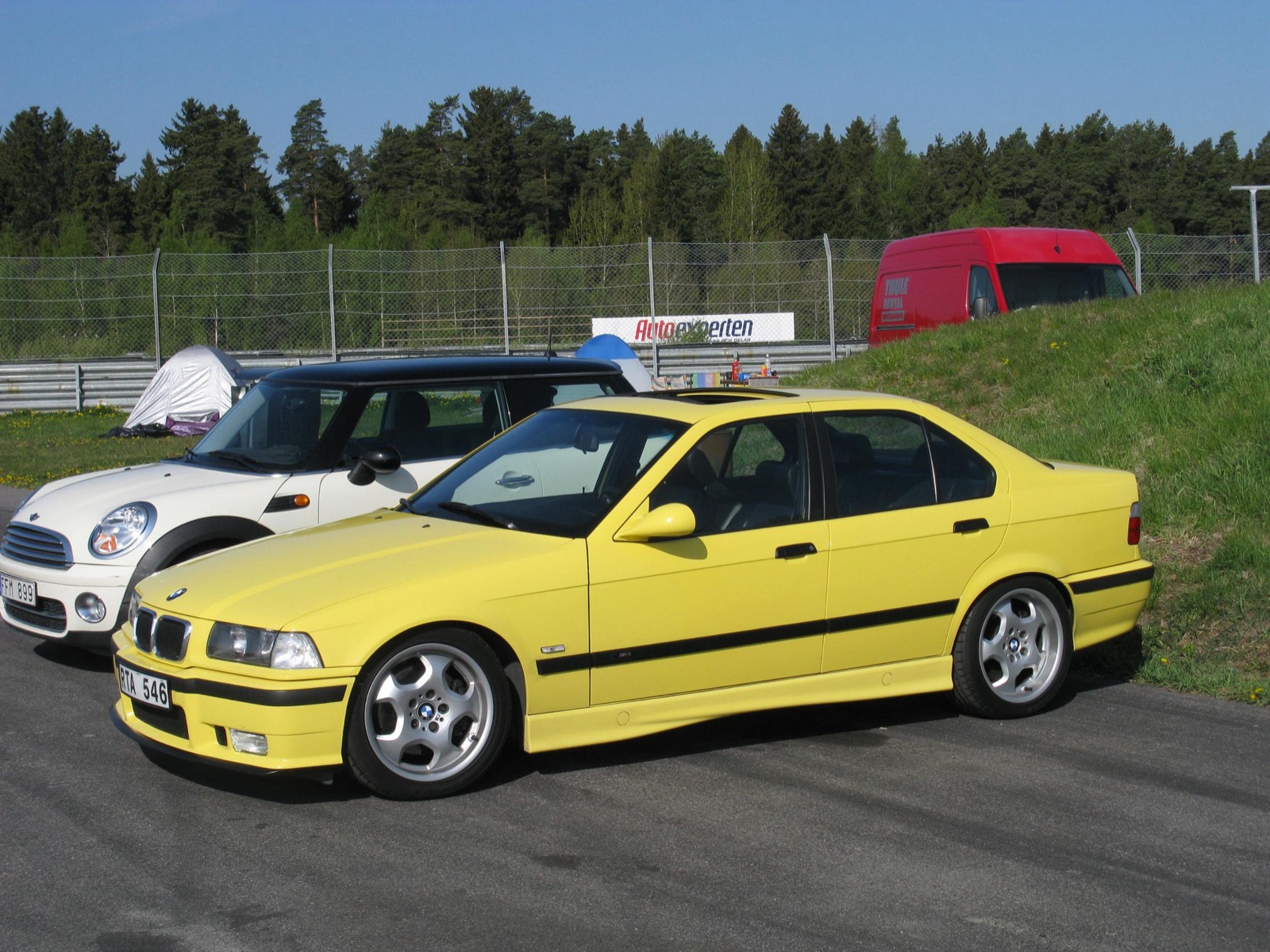
BMW E36 M3 sedan profile

Body styles

The E36 already taught buyers to shop body style as part of the identity

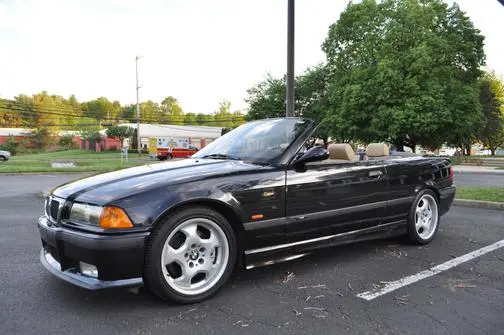
Coupe, sedan, and convertible all exist here, and they are not interchangeable in the market. The coupe usually anchors the enthusiast conversation, but the sedan has its own appeal and the convertible belongs in a softer buyer lane.

Buyer relevance now

You can not comp an excellent coupe, a sedan, and a convertible as one flat bucket. Body style, transmission, and regional spec all change how the car should be read.

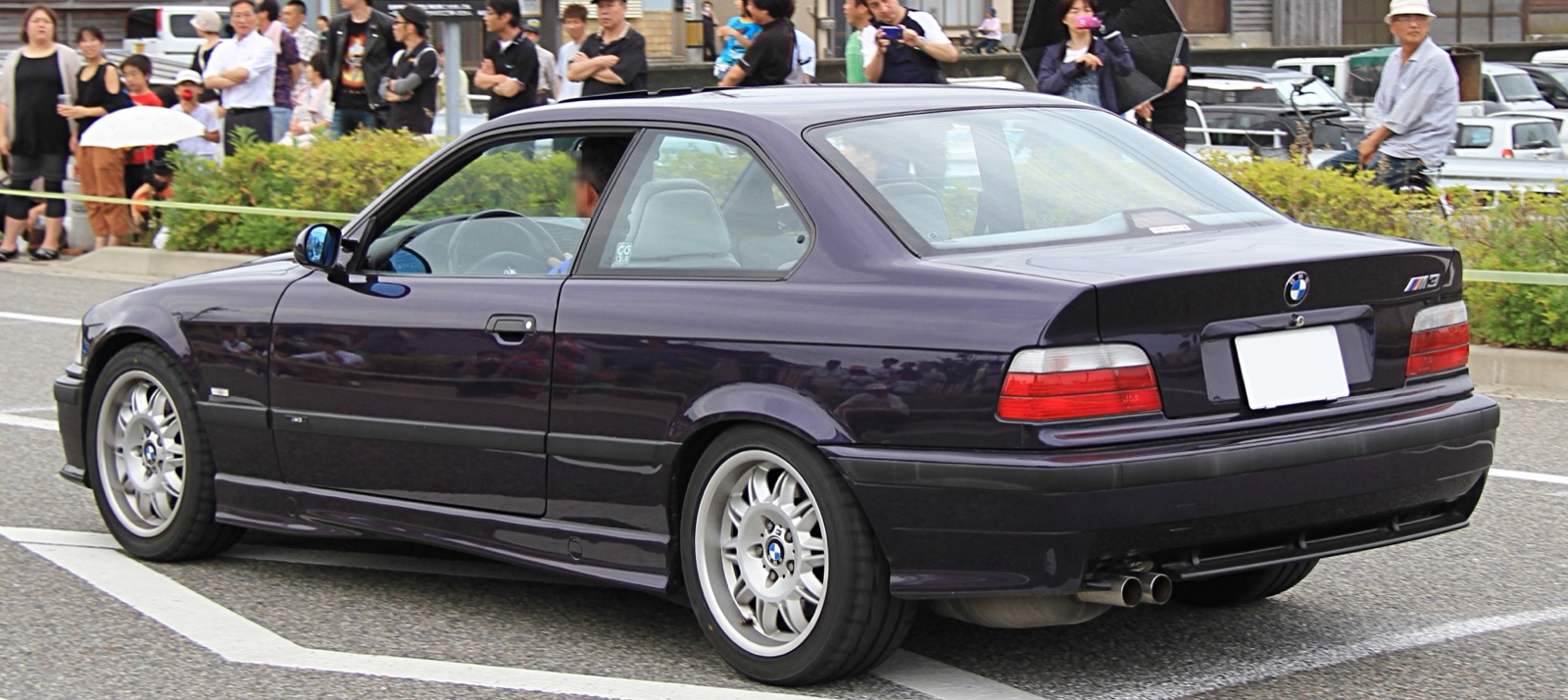
BMW E36 M3 sedan rear three-quarter

Current value sorting

The best E36s now win on honesty, preservation, and unmodified feel

Because the E36 lived for so long as the cheaper M3, many cars were modified, tracked, or just used hard. The strong cars now are the ones that still feel coherent and complete rather than assembled back into something close enough.

Buyer relevance now

Cooling-system history, VANOS upkeep, interior wear, panel condition, and tasteful originality matter more than a simple low-price entry point.

How to shop it

How to shop a BMW M3 (E36)

Start by putting the car in the right generation and spec lane, then use records, color, equipment, and prior appearances to decide whether the asking price is actually supported.

Spec lane

Do not flatten the model into one price bucket

Body style, gearbox, drivetrain, color, interior, and special-package context can move buyer interest as much as mileage. Compare like with like before drawing a market conclusion.

Factory equipment

Correct hardware is part of the value

Wheels, seats, trim, brakes, exterior details, and retained original parts help prove that the car still belongs in its claimed lane instead of just wearing the right badge.

Records

The file has to match the ask

Service history, inspection results, ownership continuity, paint disclosure, and modification receipts should scale with the asking price. Thin records are a real market discount.

Comps

Prior listings are part of the guide

Repeat appearances help show whether a car is improving, aging honestly, or circulating with a story that keeps getting thinner. That history should influence how the current listing reads.

Color guide

Palette, interior trims, and original brochure context

The dedicated guide is where the brochure-style palette work lives: exterior colors, interior trims, notable combinations, and the original factory brochure when we have it.

That matters because buyers rarely compare cars as blank used inventory. They compare them against the factory identity they already have in their head.

More visual context

Extra images that help the car read more clearly

3 details
BMW E36 M3 coupe front three-quarter

Detail 1

BMW E36 M3 coupe front three-quarter

BMW E36 M3 sedan profile

Detail 2

BMW E36 M3 sedan profile

BMW E36 M3 sedan rear three-quarter

Detail 3

BMW E36 M3 sedan rear three-quarter

Model History

Why BMW M3 (E36) matters

The E36 M3 broadened the M3 from homologation special into a usable performance platform with wider body-style and market reach.

It is still one of the most spec-sensitive M3 generations because Europe and North America effectively got different flavors of the car.

Today the best examples are rising because clean, intact, honest cars are much rarer than the old production totals suggest.

Technical Specs

Key numbers and layout

BMW E36 M3 coupe front three-quarter

Engines

S50 / S52 inline-six

Transmission

Manual first, some automatics

Layout

Rear-drive analog sports car

Body styles

Coupe / sedan / convertible

Market note

Region-sensitive M3

VINthusiast role

Spec-split buyer guide

Equipment Checklist

Factory equipment and options matter too

The model page should explain the car at a high level. The deeper factory-equipment guide breaks down what came standard, what could be ordered, and which details buyers actually care about when comparing real cars today.

Open factory equipment guide

Confirm factory wheels, seats, trim, and major packages against the build story.

Use color and interior pairing as part of the valuation read, not just presentation.

Separate top-lane collector specs from driver-grade cars before using comps.

Check that original hardware accompanies the car when meaningful parts have been changed.

Production context

Production context for real buyers

The E36 market only makes sense when you separate region, engine, and body style. It is not one flat M3 story.

Platform

E36 M3

Engines

S50 / S52 depending market

Body styles

Coupe, sedan, convertible

Buyer lens

Region, body style, and originality

Buyer Checklist

What to verify before buying

1

Separate Euro and U.S. cars before comparing values.

2

Separate coupe, sedan, and convertible before comparing values.

3

Treat cooling, VANOS, suspension, and modification history as core diligence.

Service Cadence

What well-serviced looks like

Cooling-system and VANOS maintenance should already have a visible paper trail.

Suspension, bushings, and driveline freshness define how good the car actually feels.

The best E36s show long-term ownership discipline, not just recent catch-up work.

Documentation Signals

Strong file vs caution file

Strong signals

Clear region/spec story and believable ownership history.

Cooling, VANOS, and suspension work documented.

Stock or tastefully restrained presentation.

Caution signals

Forum-style performance claims without service depth.

Cheap mods or cosmetics masking weak mechanical history.

Seller treating every E36 M3 as equally special regardless of body style or region.

CARFAX / service-file lens

A clean history report is helpful, but it is not enough on its own. The buyers who pay strong money for this model want service cadence, specialist invoices, and proof that the expensive known items were addressed at believable mileage intervals.

Current Listings

Active inventory for BMW M3 (E36)

0 cars