Guides
Model guides for cars that deserve context before comps
Start with the buyer lanes VINthusiast already understands: generation splits, drivetrain changes, production context, weak points, and the details that make one listing read differently from another.
Guides
49
Brands
2
Focus
Buyer context
BMW
26 guides
From homologation-era M cars to modern super sedans, BMW still rewards buyers who understand the generation and the spec.
Porsche
23 guides
Porsche looks simple from a distance, but generation, drivetrain, gearbox, and trim can turn one badge into very different cars.
BMW guides
Shop the generation, not just the badge
BMW 1M Coupe (E82)
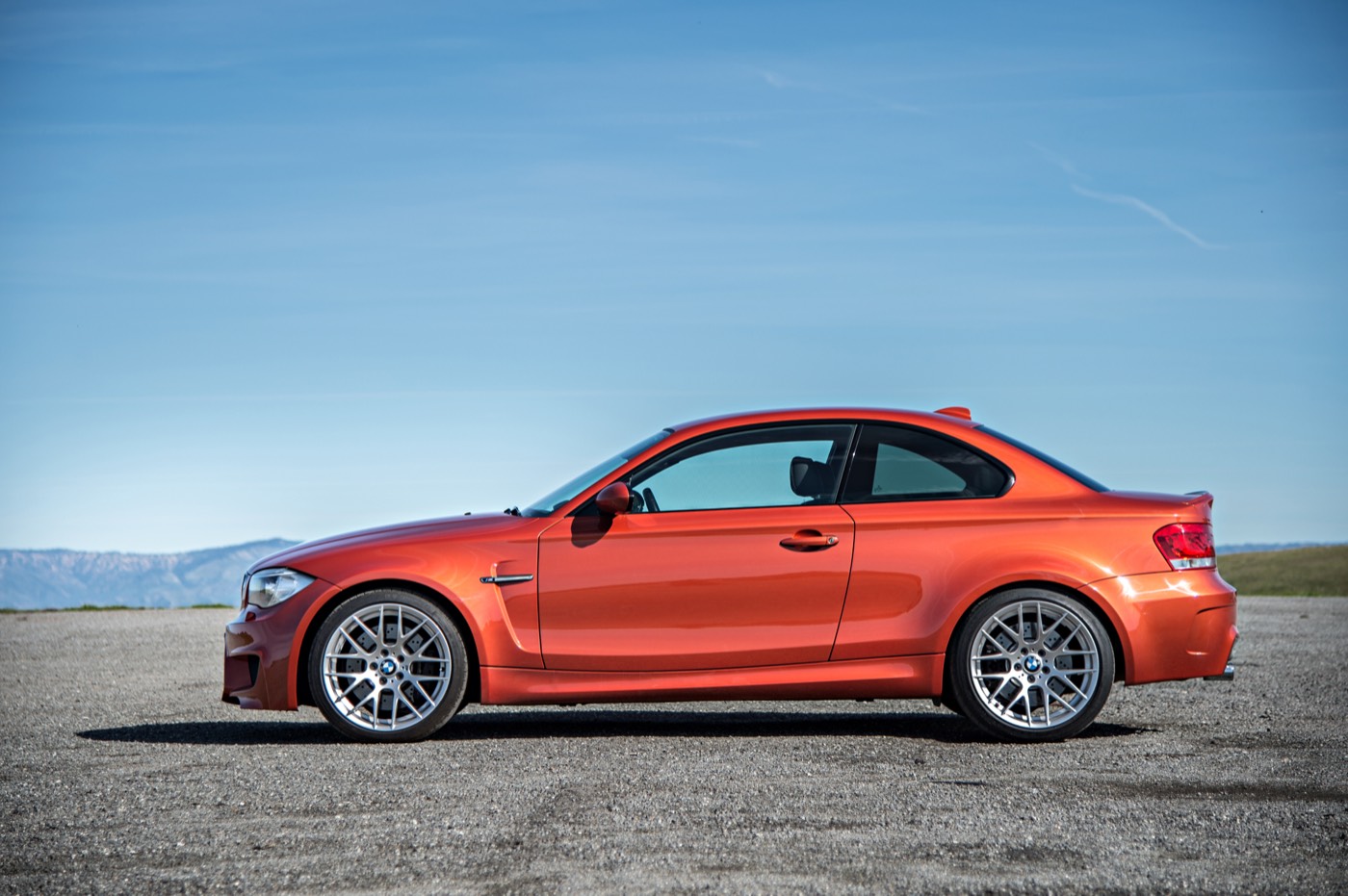
BMW 1M Coupe (E82)
The 1M sits slightly outside the S54 core, but it belongs in VINthusiast’s early enthusiast orbit because it trades on rarity, manual-only appeal, and a market that reacts sharply to originality and mileage.
BMW 330 ZHP (E46)
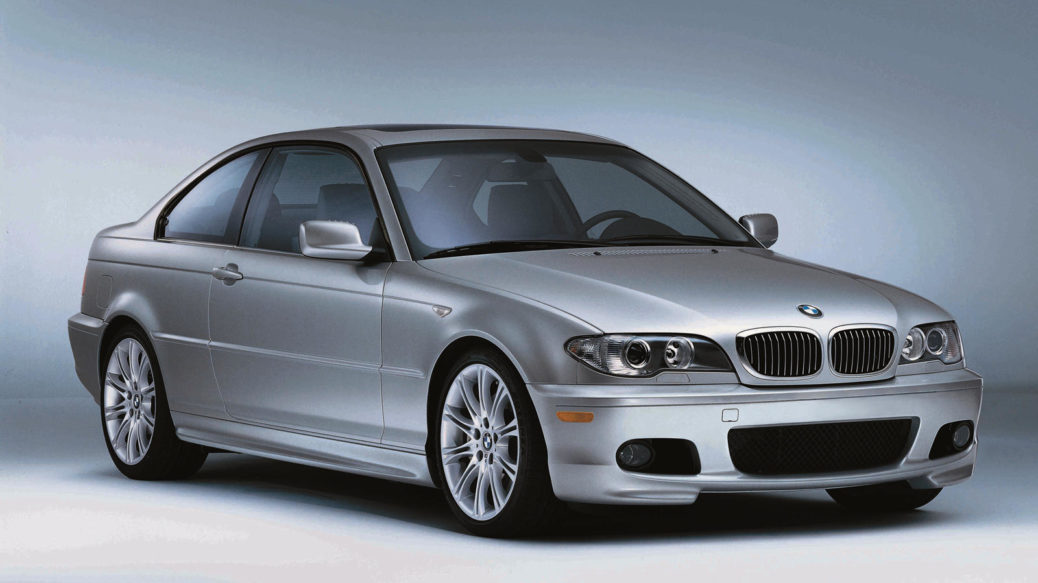
BMW 330 ZHP (E46)
The E46 330 ZHP works better as one family page than three separate top-level models. Sedan, coupe, and convertible all share the same M54-based performance-package formula, but buyers still sort them differently by body style, transmission, and combo rarity.
BMW 635CSi (E24)
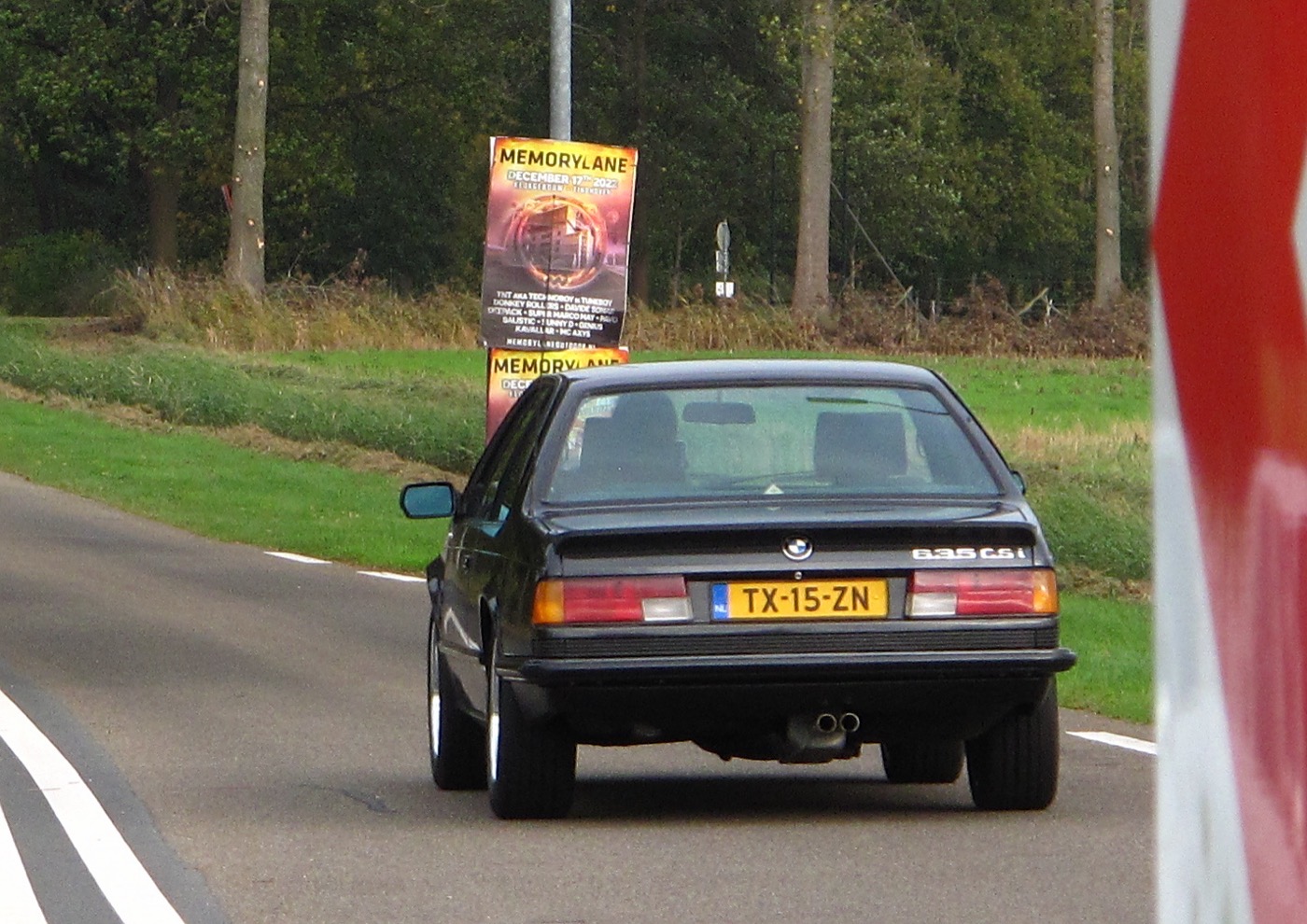
BMW 635CSi (E24)
The 635CSi sits in the BMW enthusiast canon because it blends straight-six smoothness, elegant long-hood proportions, and a market that increasingly rewards the right E24 over generic old-BMW nostalgia.
BMW 850 (E31)
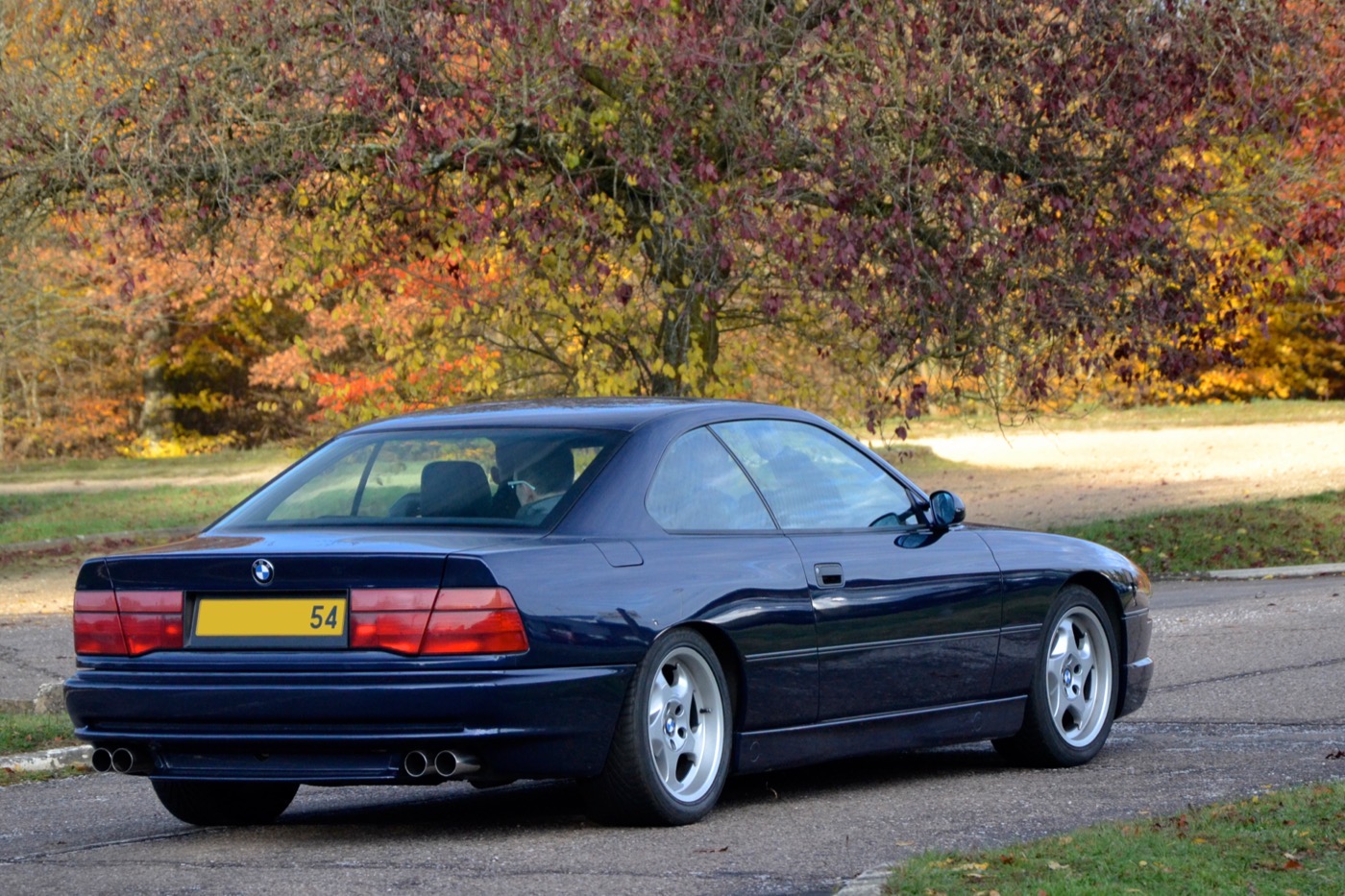
BMW 850 (E31)
The E31 850 belongs on VINthusiast because it is one of BMW’s defining halo coupes: V12 flagship energy, pillarless grand-touring design, and a market that now splits hard between ordinary surviving cars and genuinely correct, compelling examples.
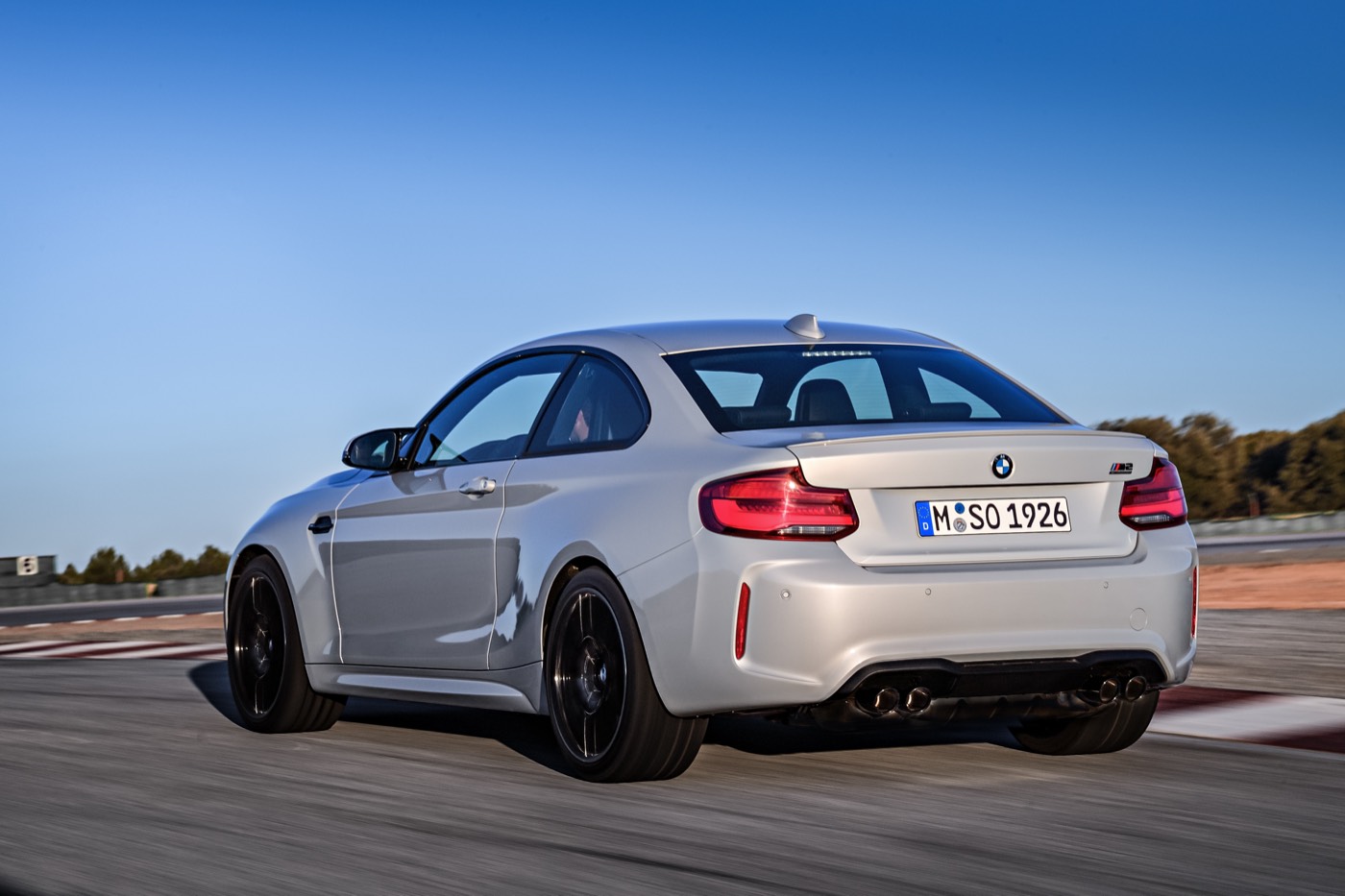
BMW M2 (F87)
BMW M2 (F87)
The F87 M2 is the clean bridge between the older analog BMW M cars and the newer turbo era: short wheelbase, rear-drive balance, usable modern hardware, and a market that still reacts strongly to spec and mileage.
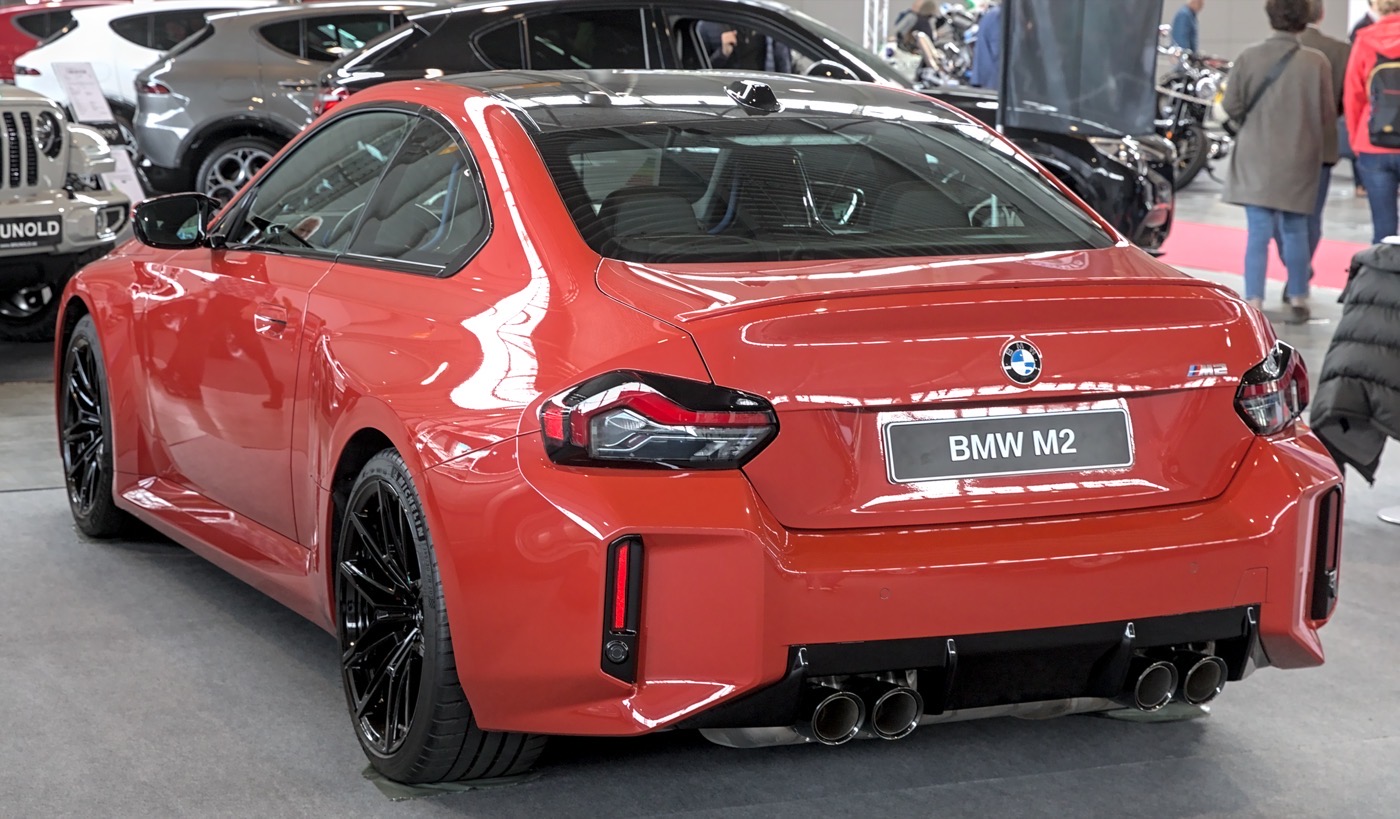
BMW M2 (G87)
BMW M2 (G87)
The G87 M2 is the current compact BMW M coupe: wider, heavier, and more serious than the F87, but still the smallest and most legible way into the modern S58 generation.
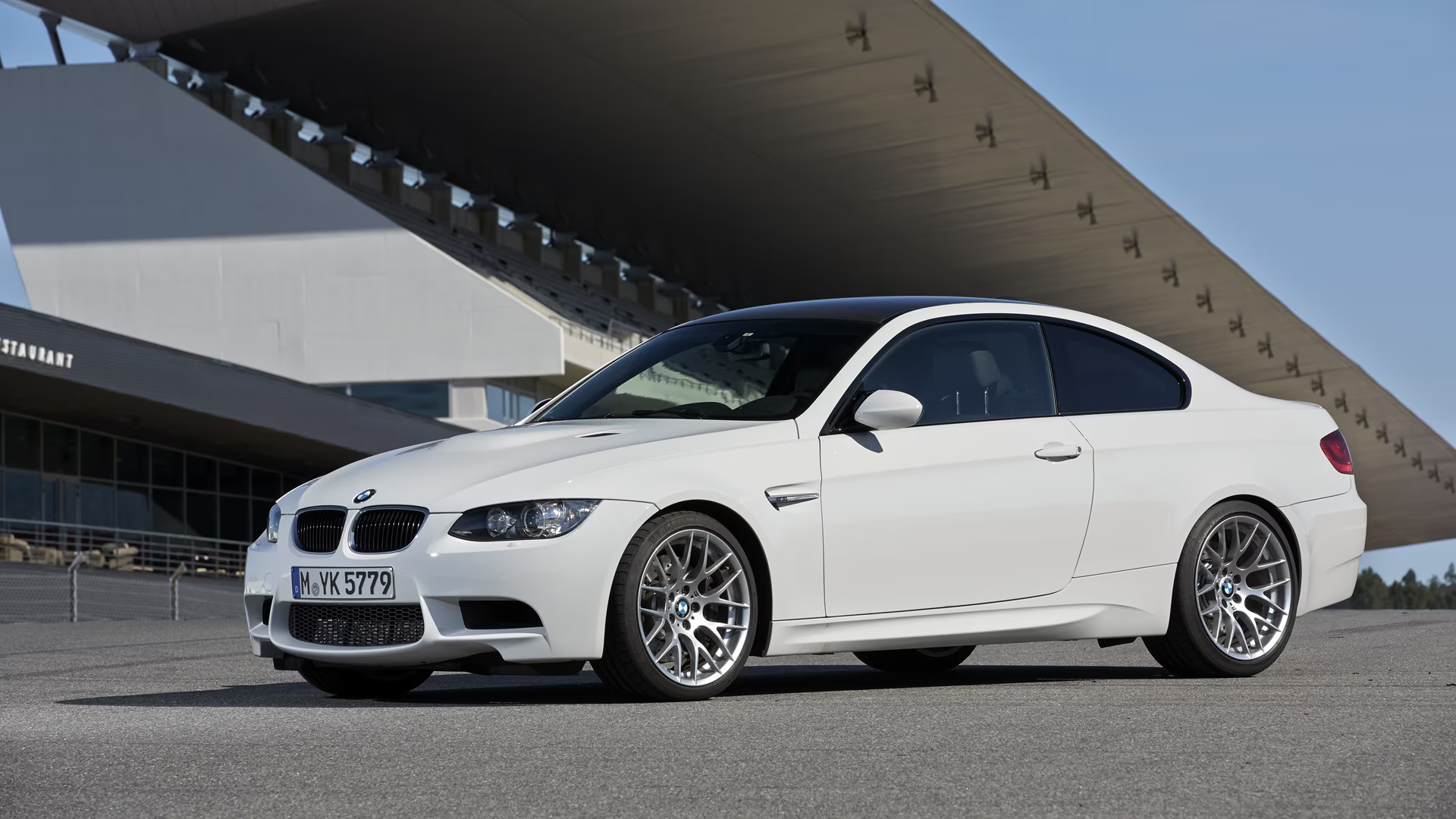
BMW M3 (E9x)
BMW M3 (E9x)
The E9x M3 family is best understood together: E90 sedan, E92 coupe, and E93 convertible all share the S65 V8 core, but buyers still sort them into different lanes by body style, transmission, Competition Package, and how seriously each car has been maintained.
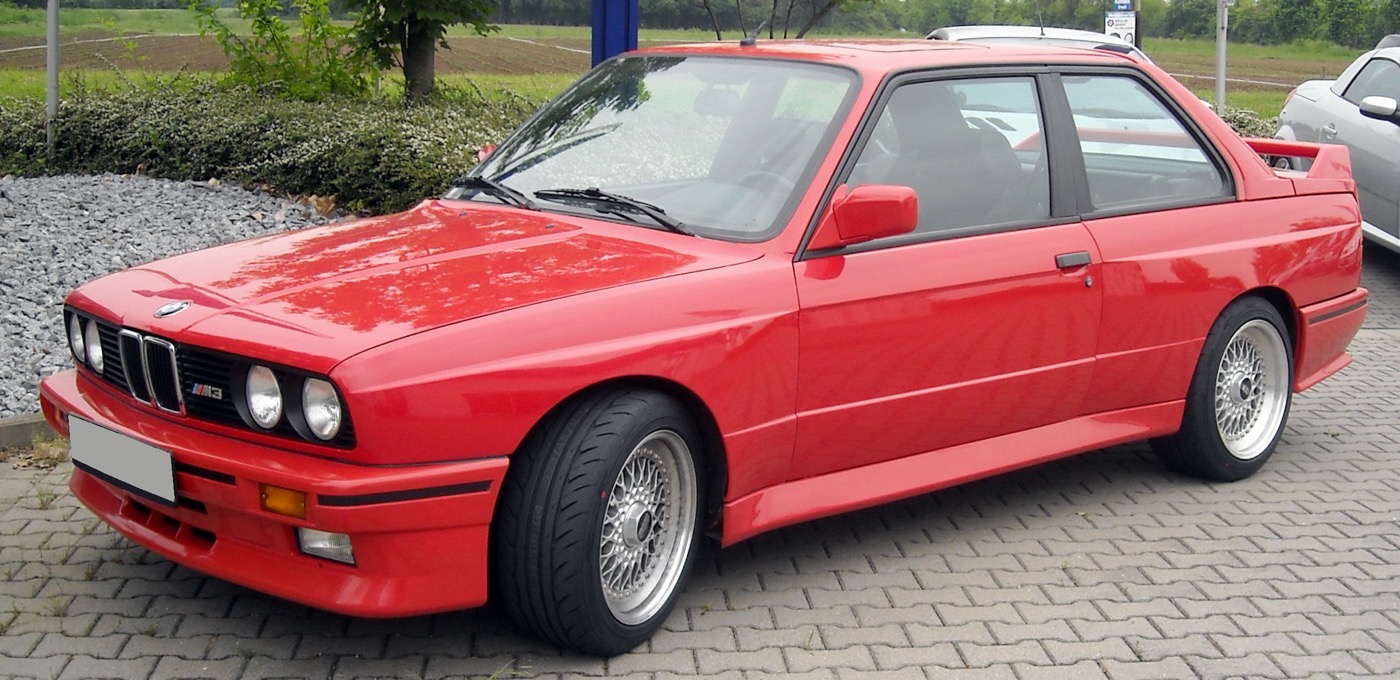
BMW M3 (E30)
BMW M3 (E30)
The E30 M3 is the foundational halo car: homologation roots, box-flare bodywork, motorsport legitimacy, and a market that already behaves more like collector territory than used-car inventory.
BMW M3 (E36)
BMW M3 (E36)
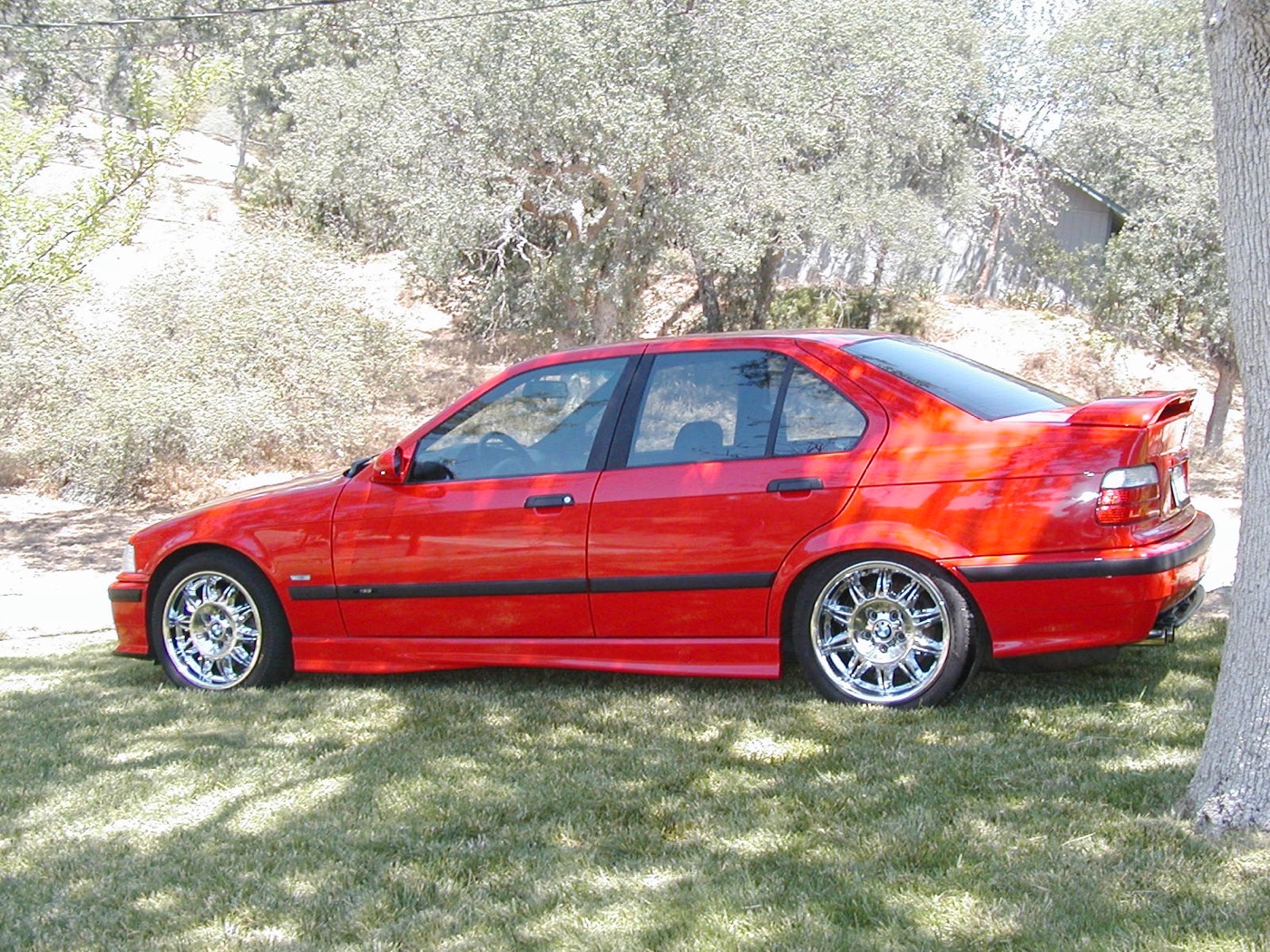
The E36 M3 matters because it broadened the M3 into a real-world performance car. It also created a lasting split between Europe’s higher-spec S50 cars and the U.S.-market S52 story, which means buyers cannot treat every E36 M3 as the same thing.
BMW M3 (E46)
BMW M3 (E46)
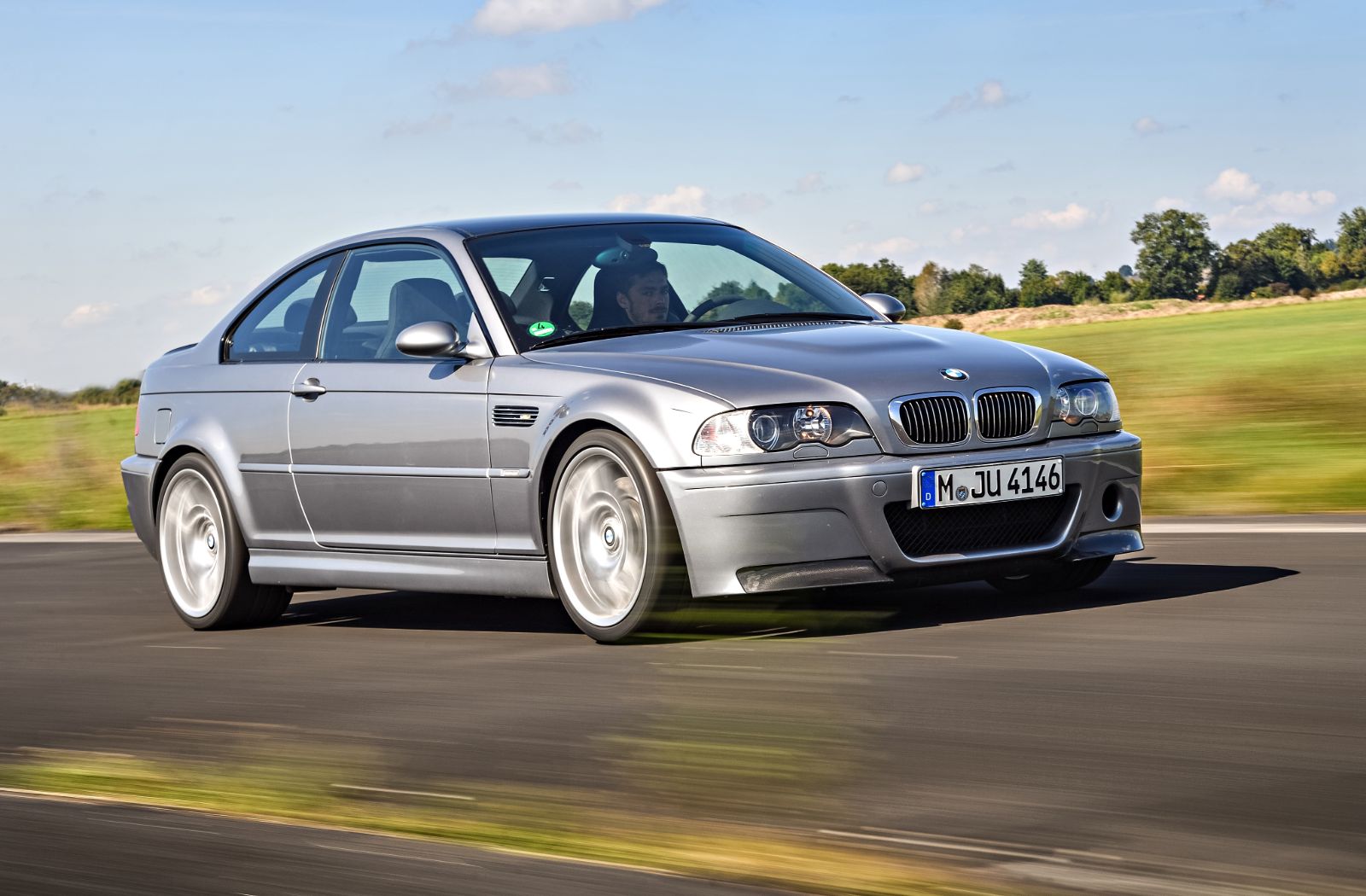
The E46 M3 sits at the center of the enthusiast market: hydraulic steering, an 8,000 rpm S54, and enough production volume to reveal meaningful price movement by spec, mileage, and maintenance.
BMW M3 (F80)
BMW M3 (F80)
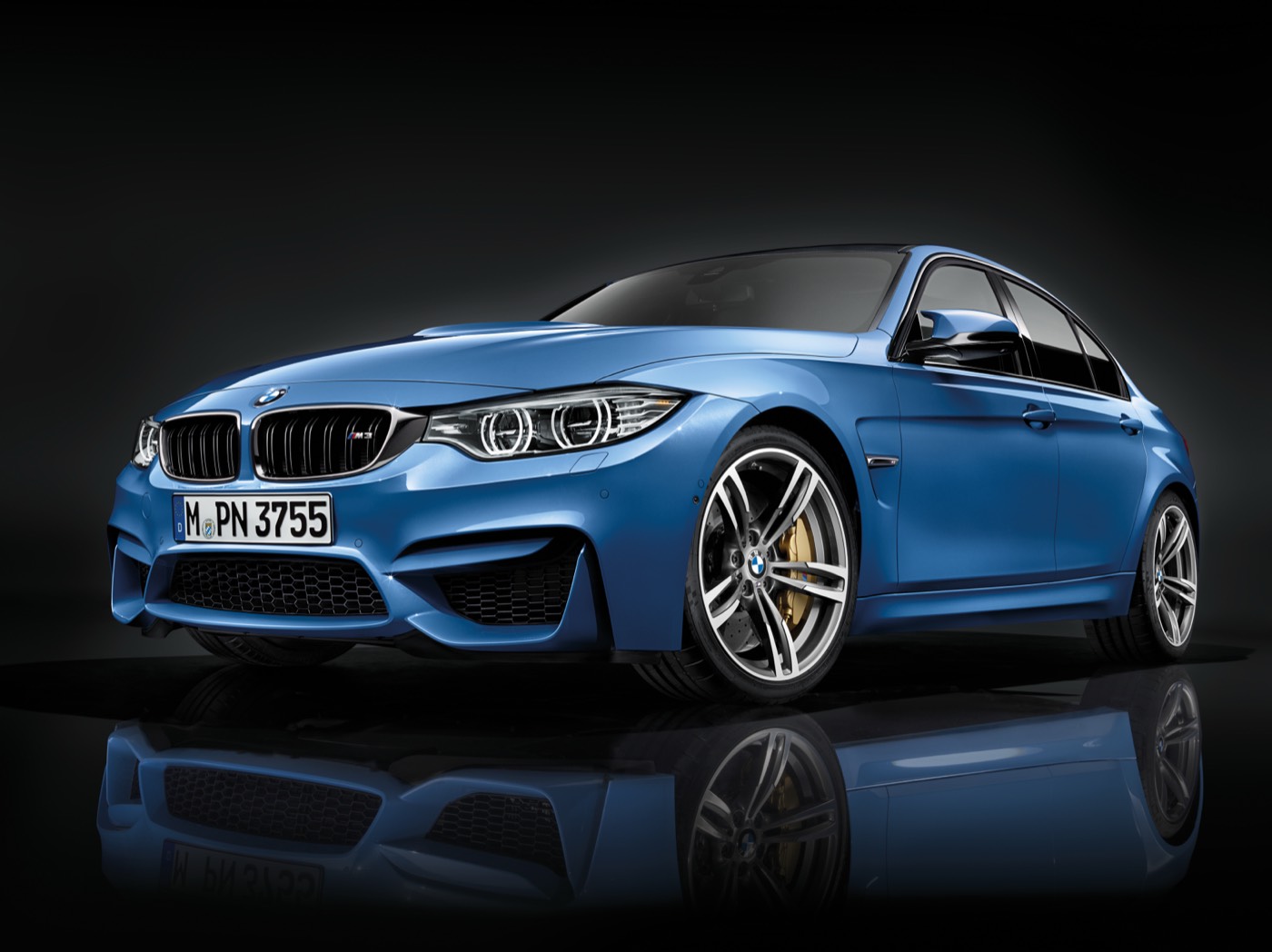
The F80 M3 is the sedan version of the turbo-era M3 formula: S55 power, real daily usability, and a market that already splits hard by transmission, Competition Package, CS adjacency, mileage, and modification level.
BMW M3 (G80)
BMW M3 (G80)
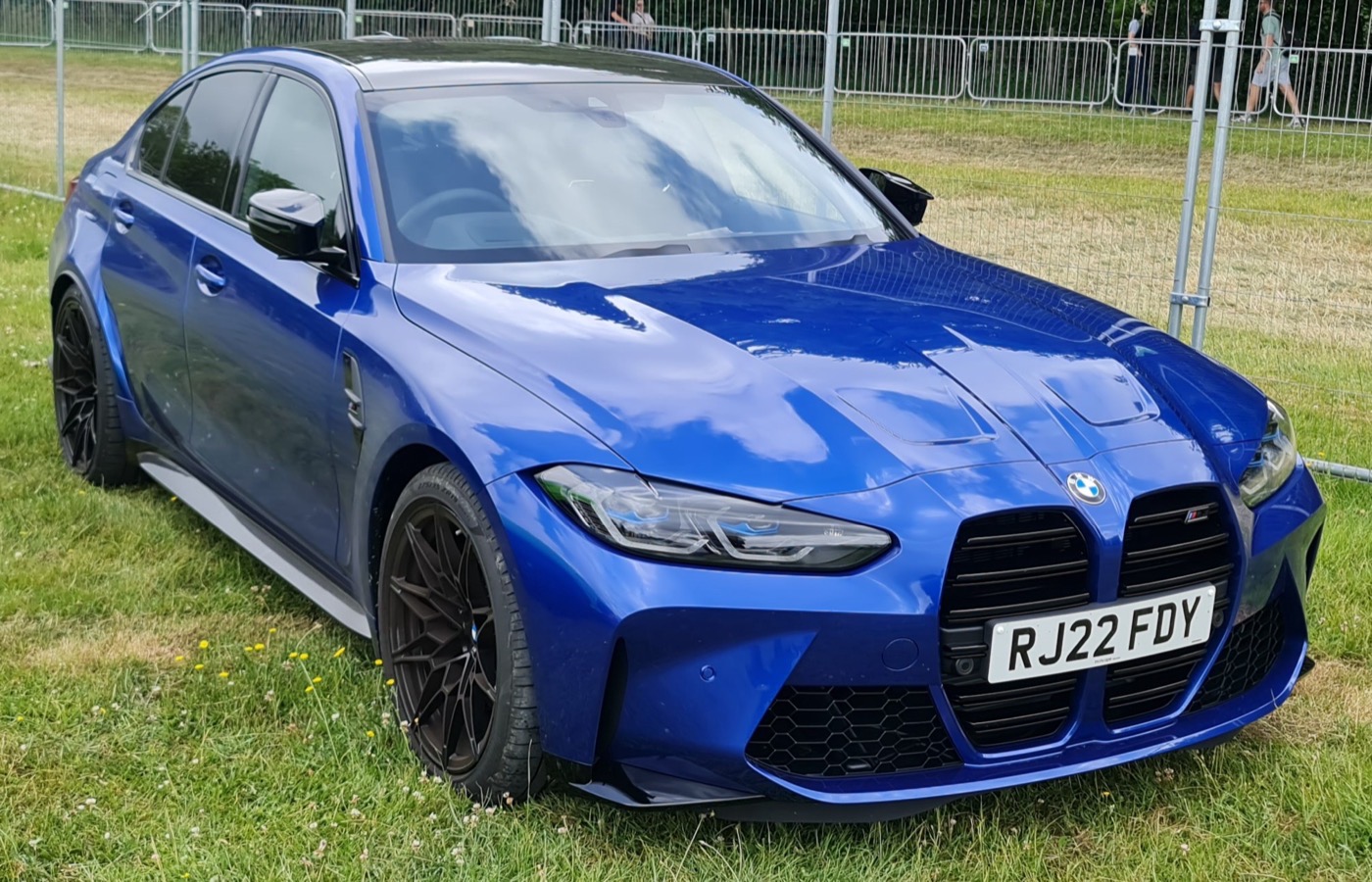
The G80 M3 is the current-generation sedan lane: huge pace, serious chassis bandwidth, and a market already split by transmission, xDrive, bucket-seat spec, Competition status, and how restrained the car still feels.
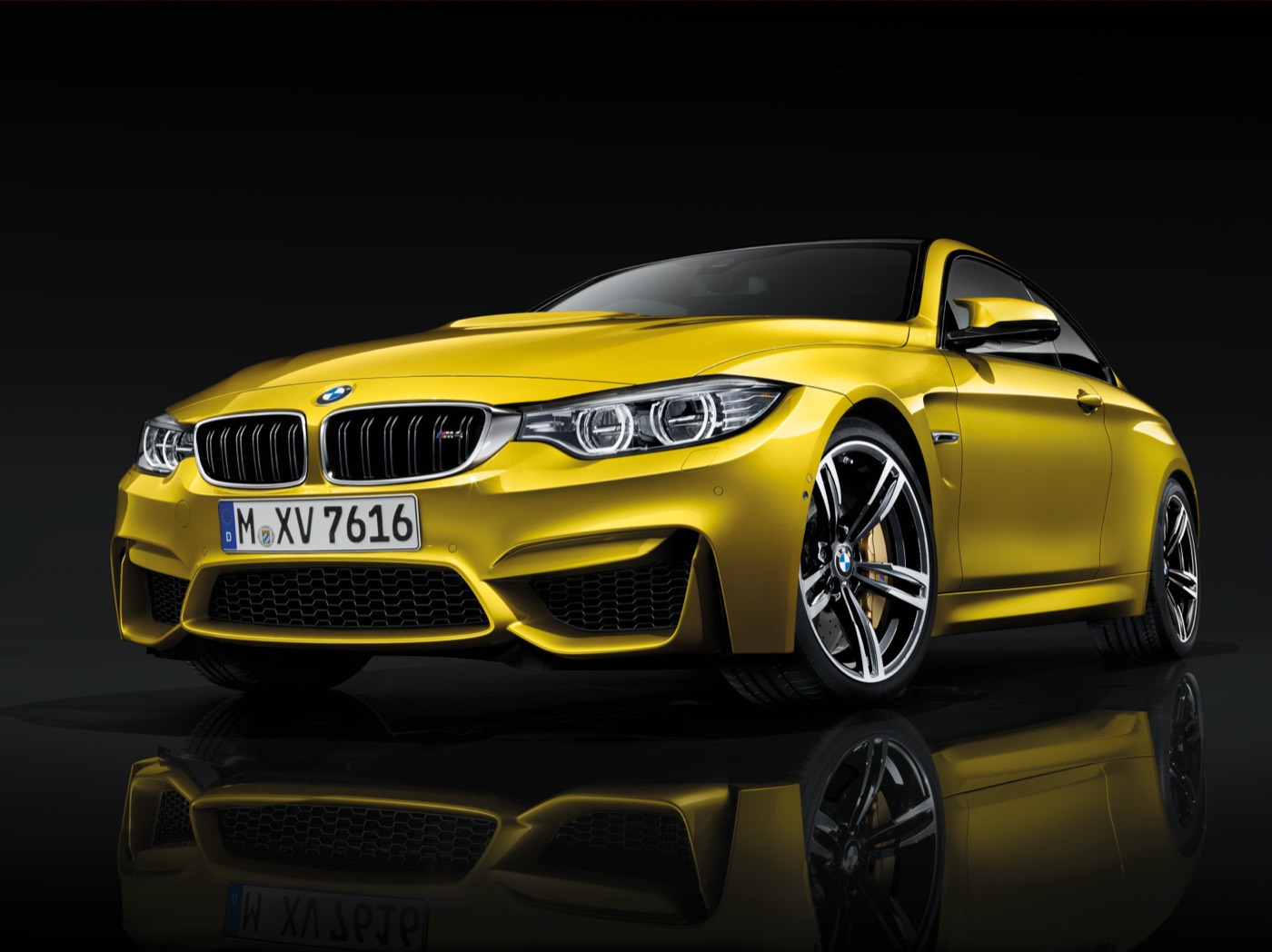
BMW M4 (F82)
BMW M4 (F82)
The F82 M4 is the coupe counterpart to the F80 formula: S55 power, broader visual drama, and a market that splits fast by manual versus DCT, Competition Package, modification level, and overall originality.
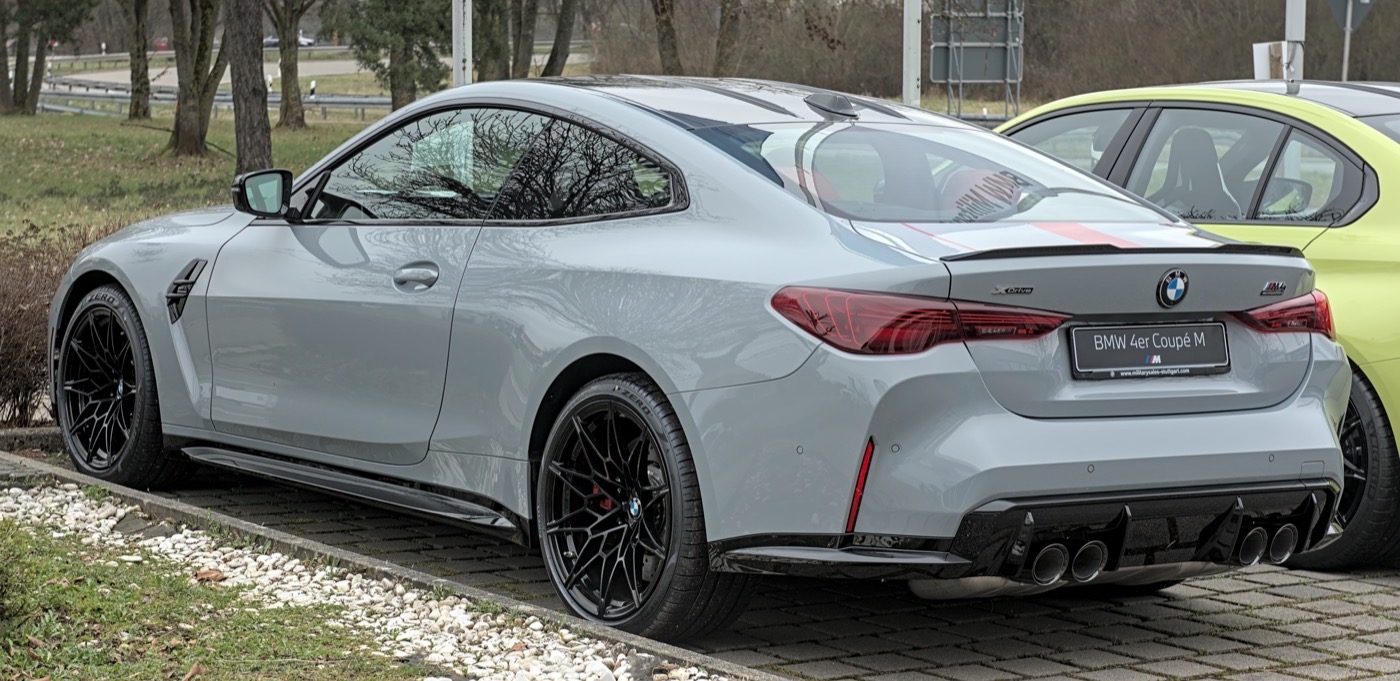
BMW M4 (G82)
BMW M4 (G82)
The G82 M4 is the coupe branch of the latest M3/M4 generation: S58 power, huge capability, and a market where transmission, xDrive, buckets, CSL adjacency, and visual taste all split buyers quickly.
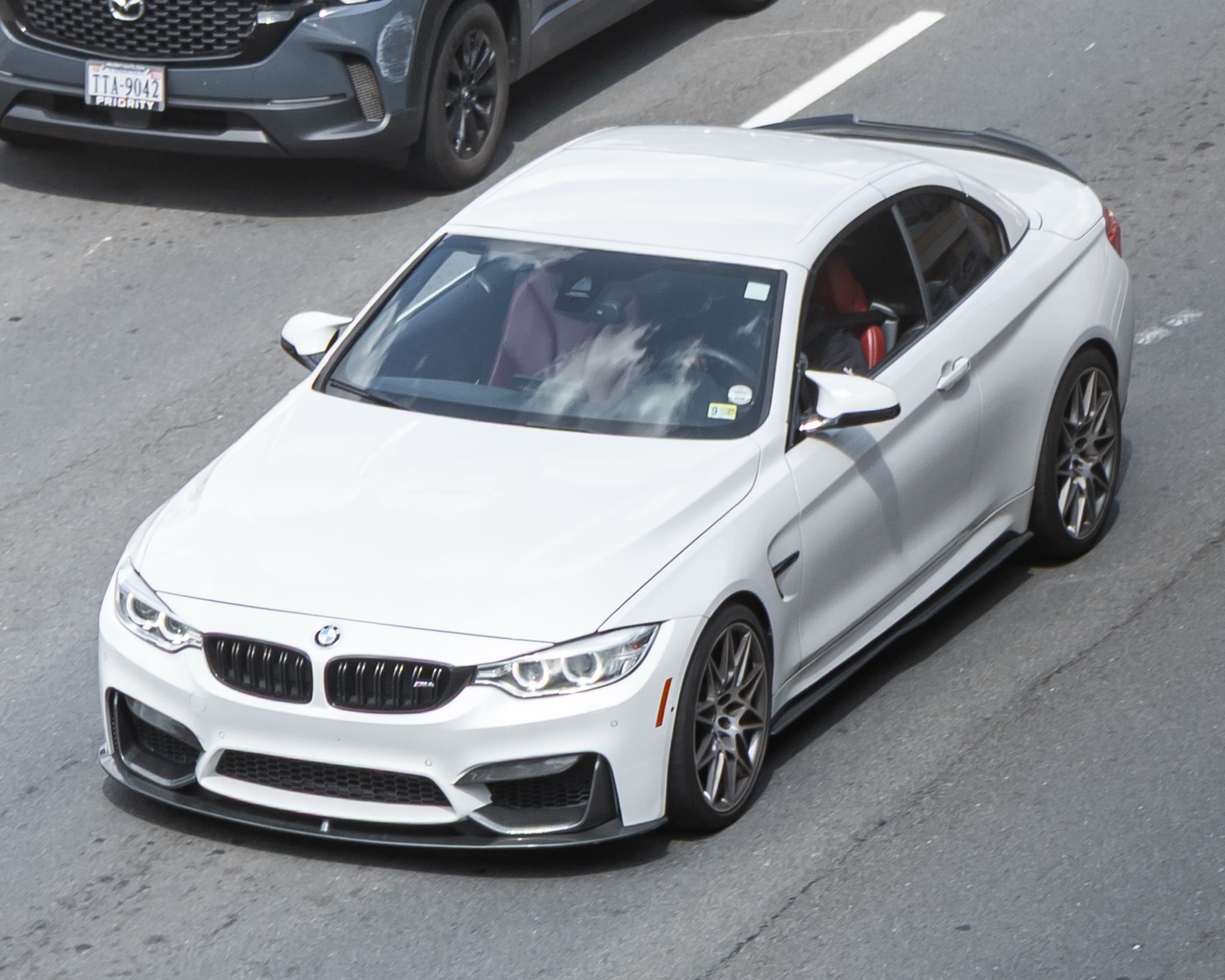
BMW M4 Convertible (F83)
BMW M4 Convertible (F83)
The F83 M4 is the open-top branch of the S55 family: heavier, less pure than the coupe, but still a real M car with a buyer lane built around usable pace, open-air drama, and specification discipline.
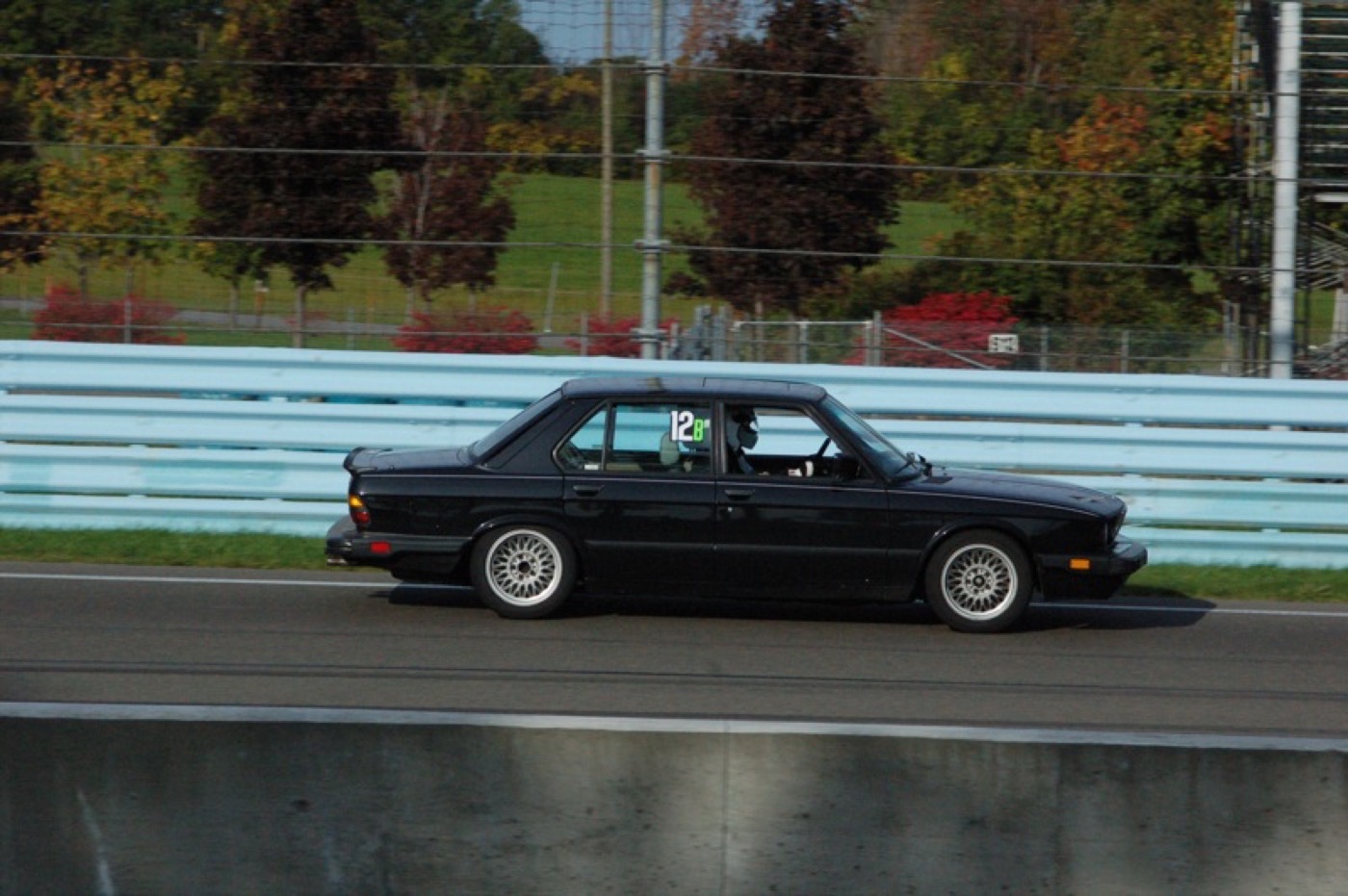
BMW M5 (E28)
BMW M5 (E28)
The E28 M5 matters because it set the template: discreet four-door body, hand-built inline-six power, and a market that values provenance and correctness more than raw production volume alone.
BMW M5 (E39)
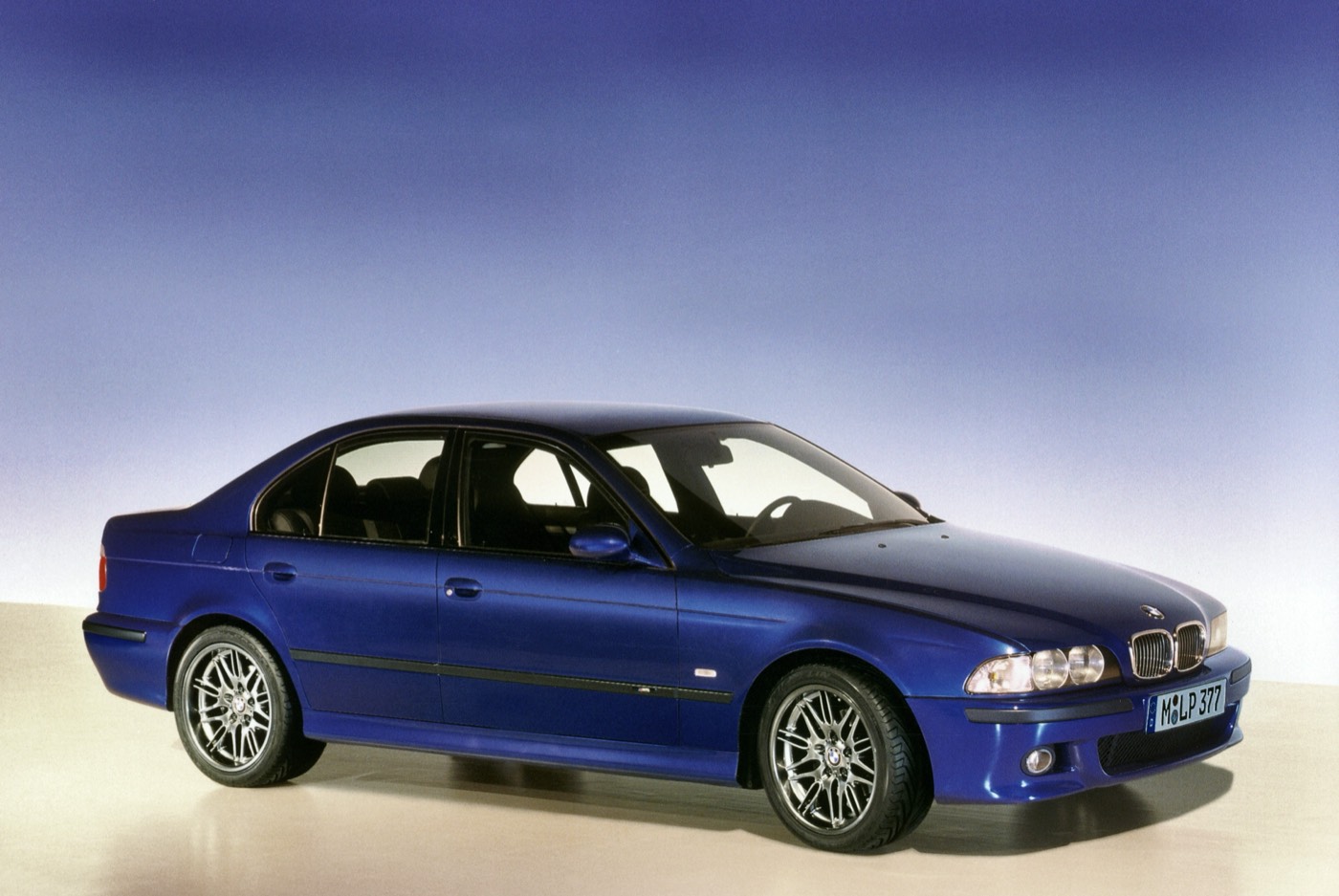
BMW M5 (E39)
The E39 M5 is the hand-built-feeling sport sedan that turned subtle BMW proportions and a big naturally aspirated V8 into one of the most sought-after modern classics. Buyers care about originality, timing-chain-guide fear, and whether the car still feels like a complete factory weapon instead of a tired executive sedan.
BMW M5 (E60)
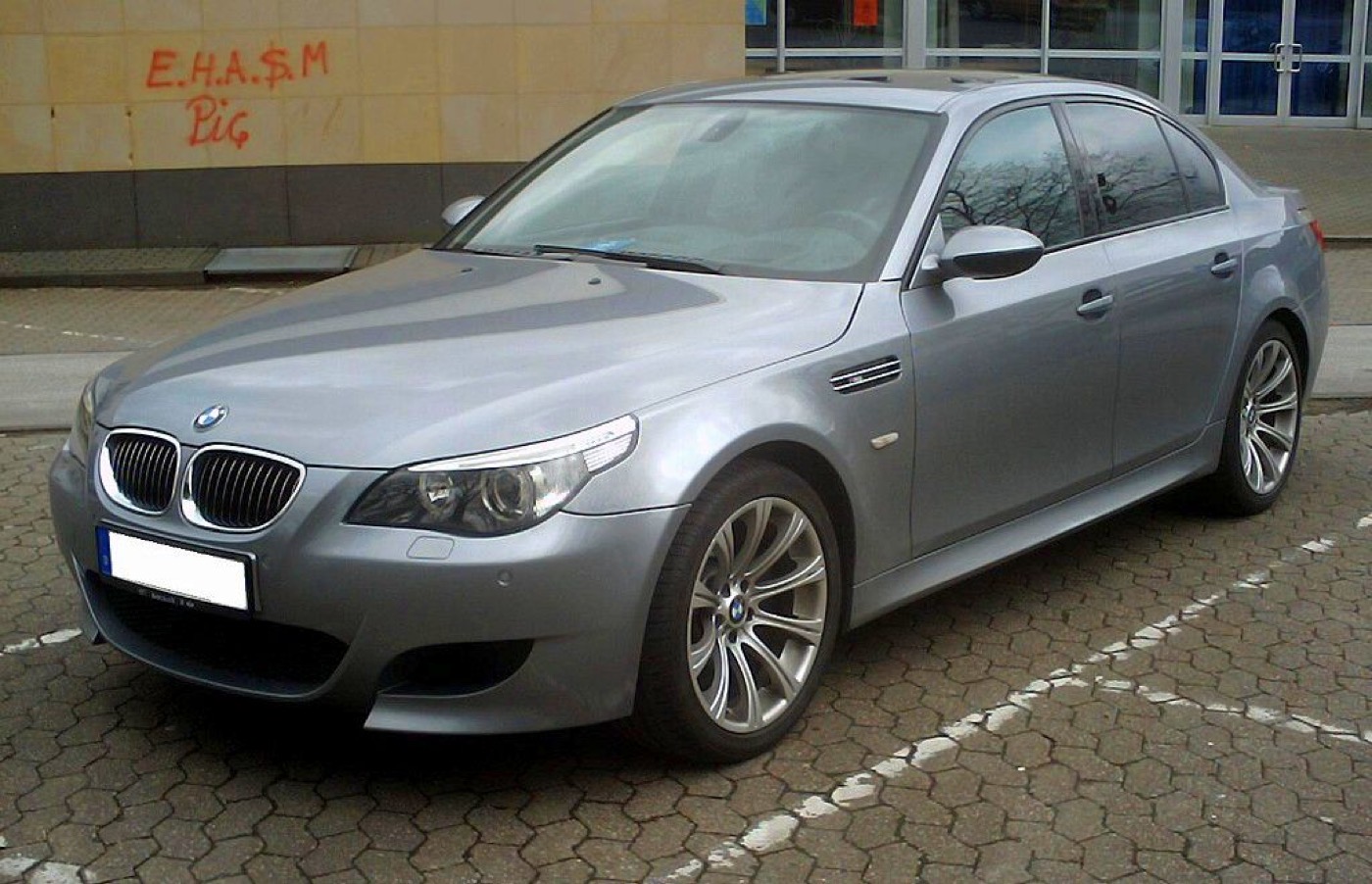
BMW M5 (E60)
The E60 M5 is one of BMW M’s loudest technical statements: a 5.0-liter V10, a huge redline, and a market that now separates brave bargain hunters from buyers who understand what a fully sorted S85 car is actually worth.
BMW M5 (F10)
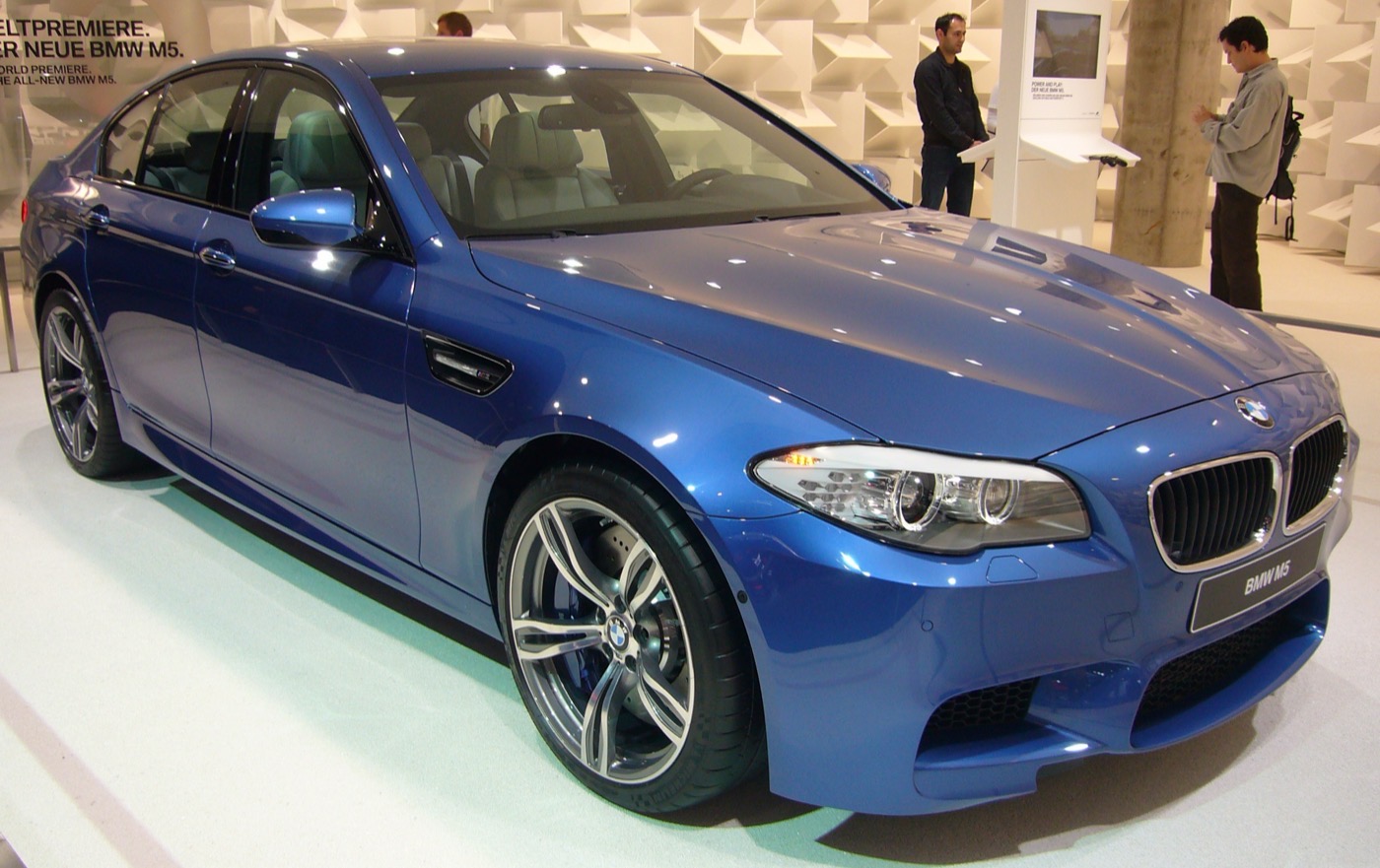
BMW M5 (F10)
The F10 M5 is the M5 that moved the formula into the modern turbo era: enormous torque, huge real-world pace, and a buyer pool that shops spec discipline, Competition Package, and condition more than old-school hand-built mythology.
BMW M5 (F90)
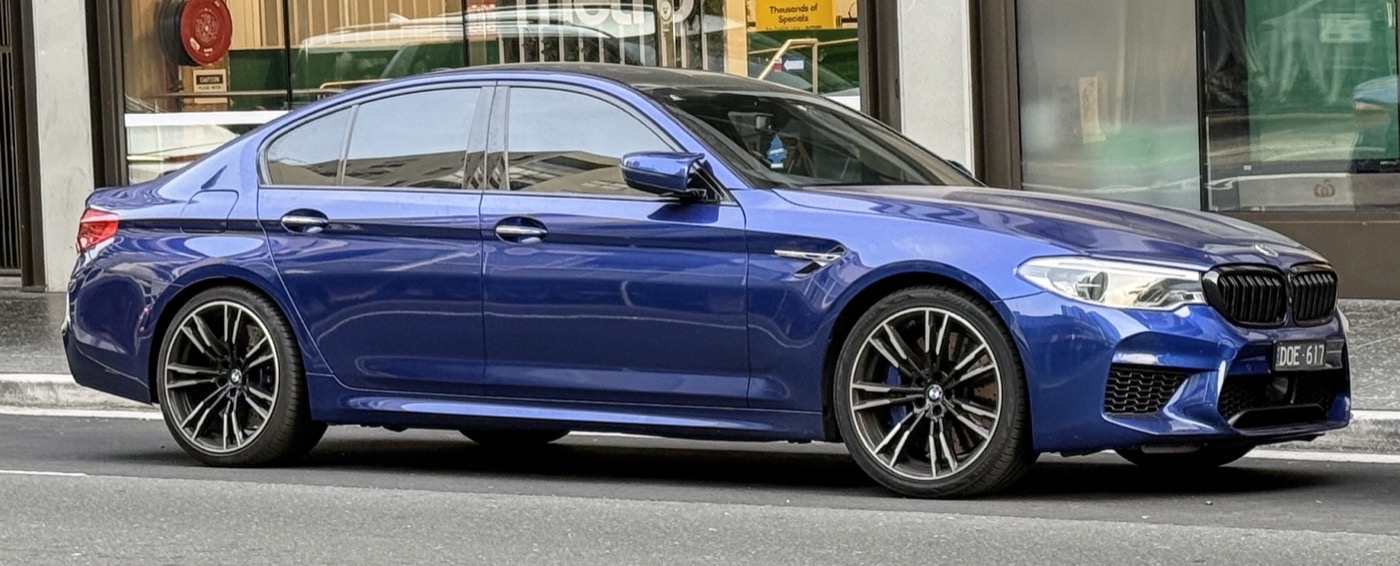
BMW M5 (F90)
The F90 M5 is the M5 in full modern form: xDrive traction, twin-turbo S63 power, immense real-world speed, and a market that already separates standard, Competition, and CS cars into distinct buyer lanes.
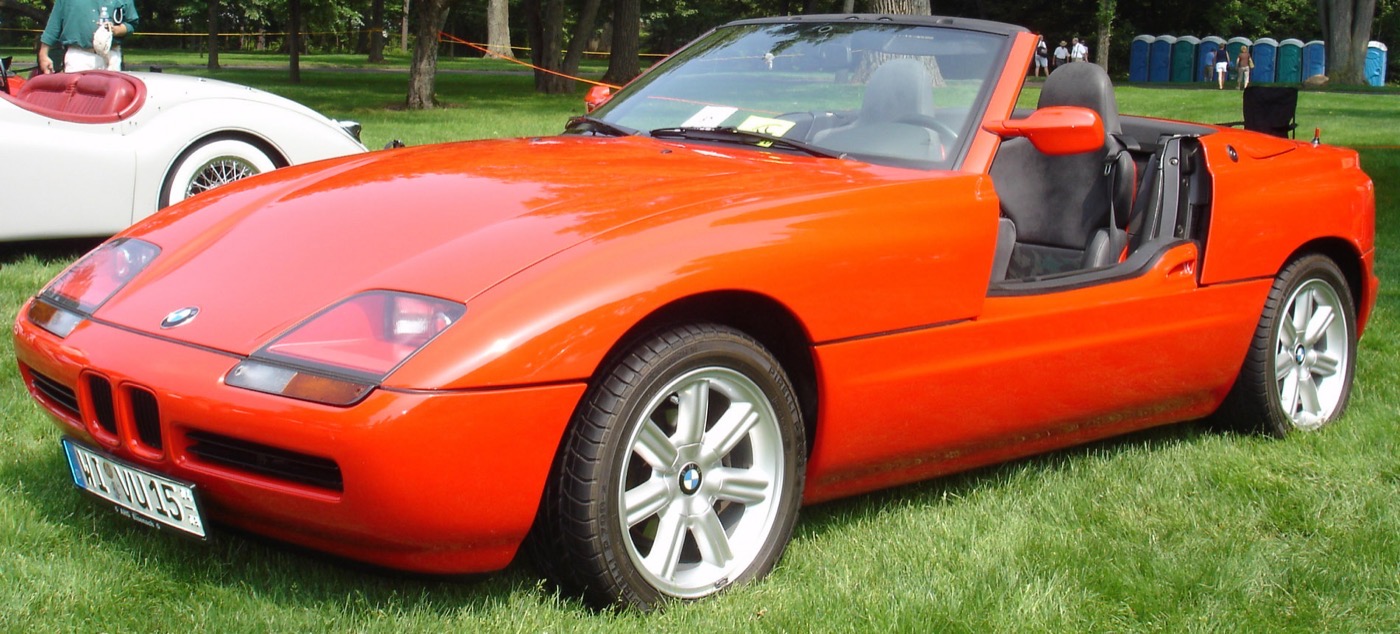
BMW Z1
BMW Z1
The Z1 is one of BMW’s strangest and most charming enthusiast cars: plastic body panels, disappearing doors, roadster format, and a cult following built on design daring more than outright performance numbers.
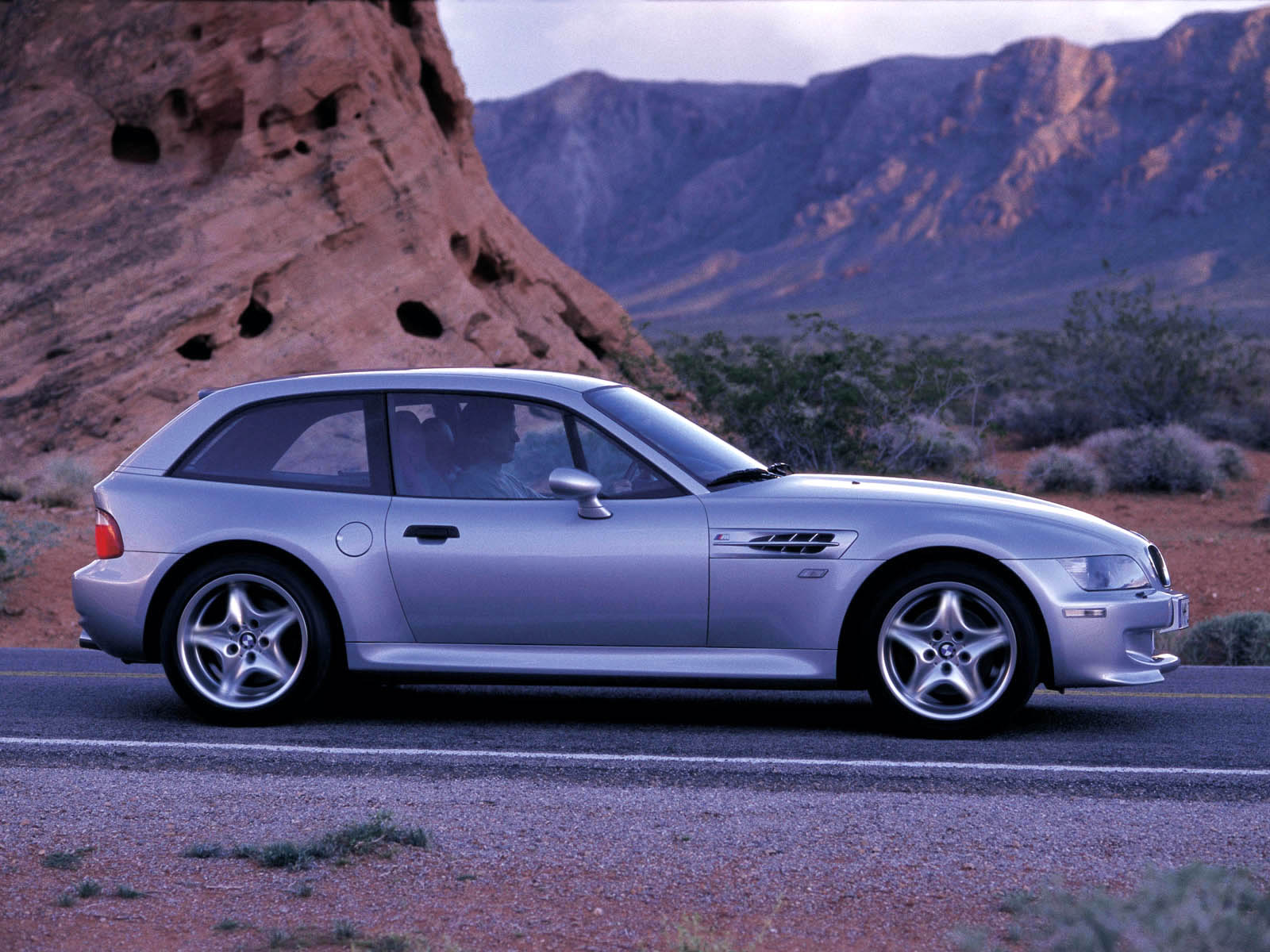
BMW Z3 M Coupe (E36/8)
BMW Z3 M Coupe (E36/8)
The Z3 M Coupe trades on rarity, shape, and originality more than almost anything else in this early VINthusiast market. Because the data pool is thinner, documentation and maintenance context carry even more weight.
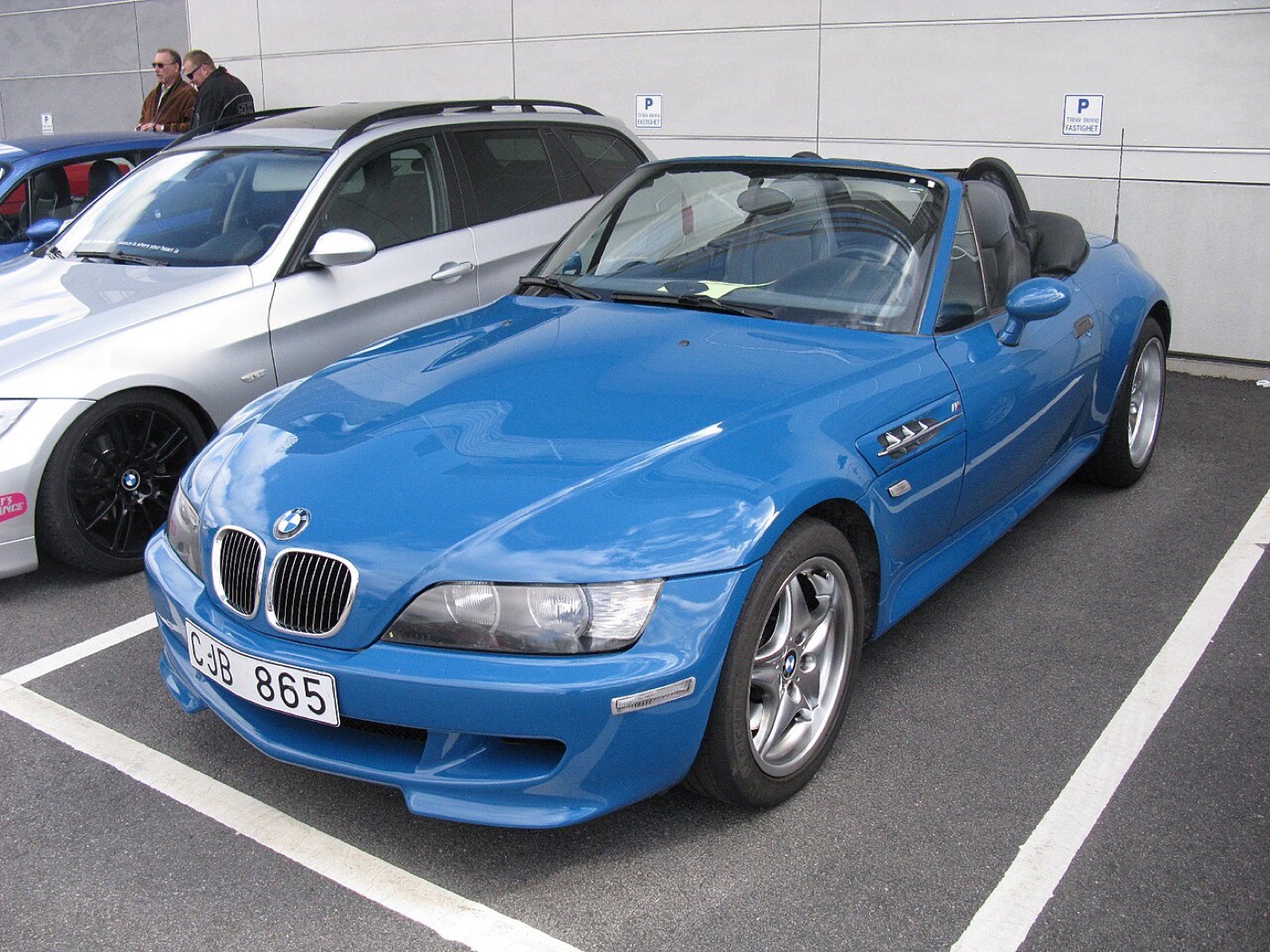
BMW Z3 M Roadster (E36/7)
BMW Z3 M Roadster (E36/7)
The Z3 M Roadster sits in a different lane than the Coupe: less rarity theater, more open-air analog M character. Buyers still care about engine split, originality, and maintenance, but the roadster market rewards usable, honest cars more than oddball mystique.
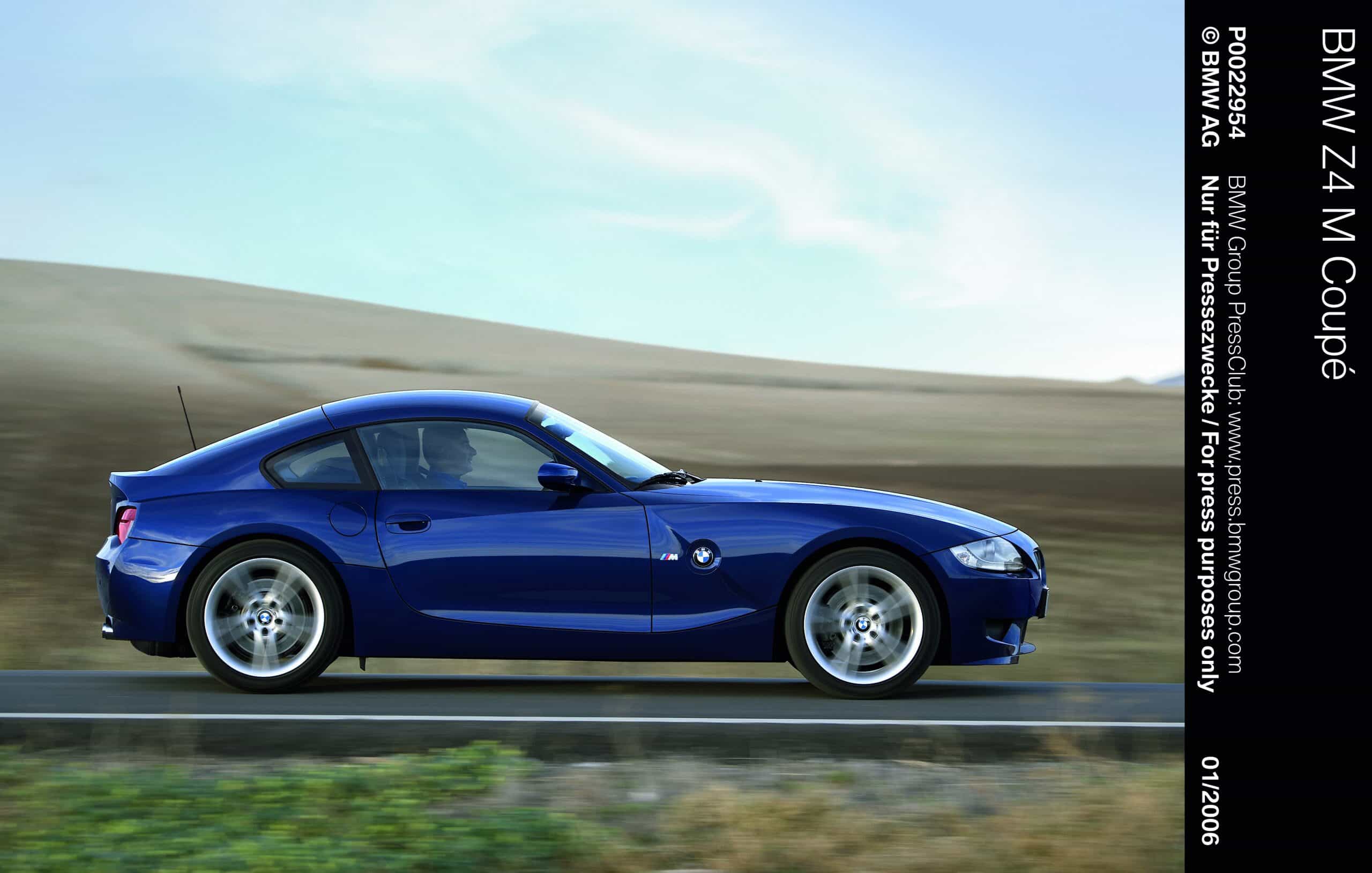
BMW Z4 M Coupe (E86)
BMW Z4 M Coupe (E86)
The Z4 M Coupe is a compact, high-drama S54 chassis with a shorter wheelbase, more divisive styling, and a market that rewards clean ownership history more than sheer option count.
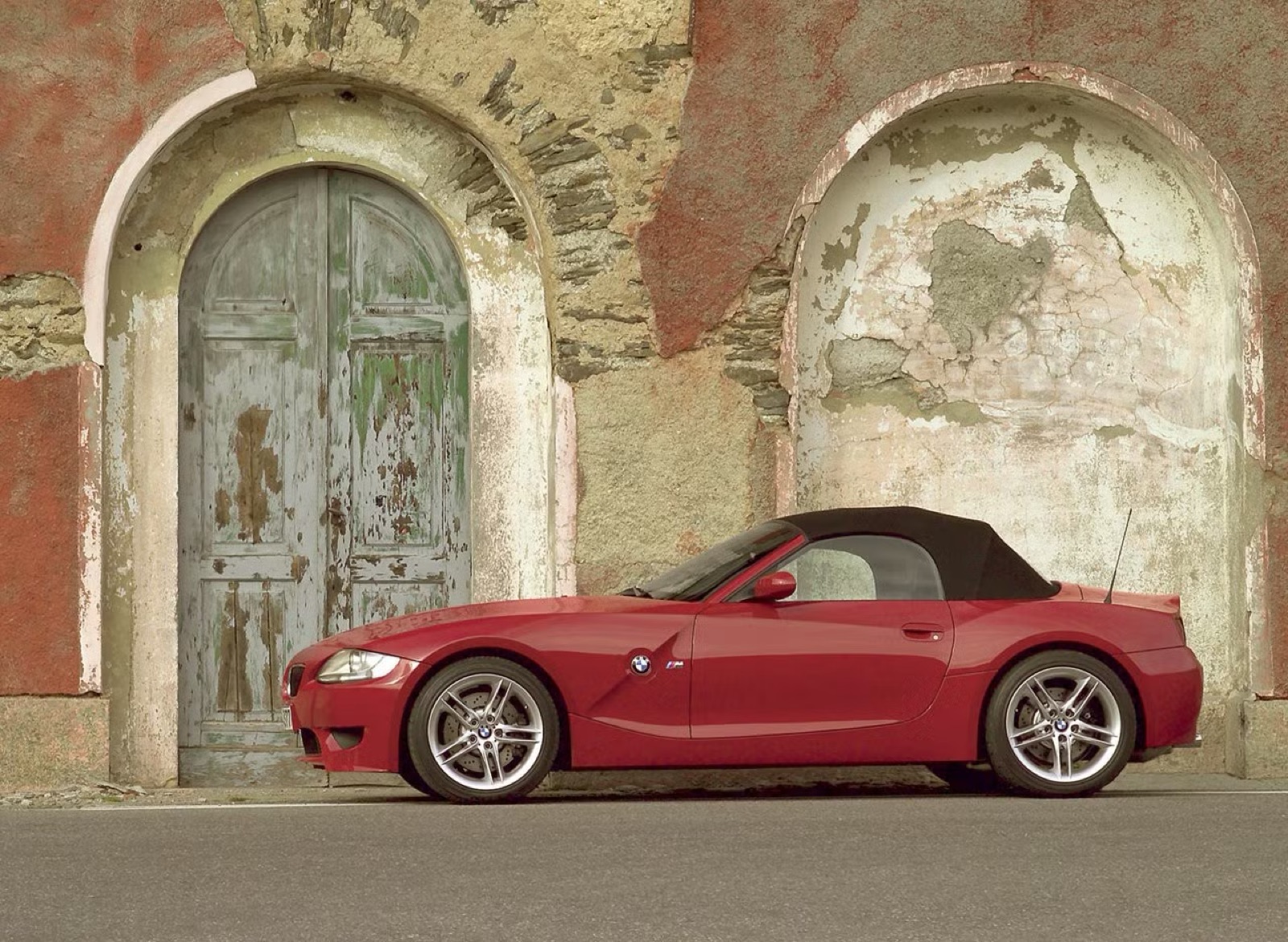
BMW Z4 M Roadster (E85)
BMW Z4 M Roadster (E85)
The Z4 M Roadster delivers the same S54 experience with a softer market ceiling than the coupe, making it one of the more accessible ways into an analog modern M car.
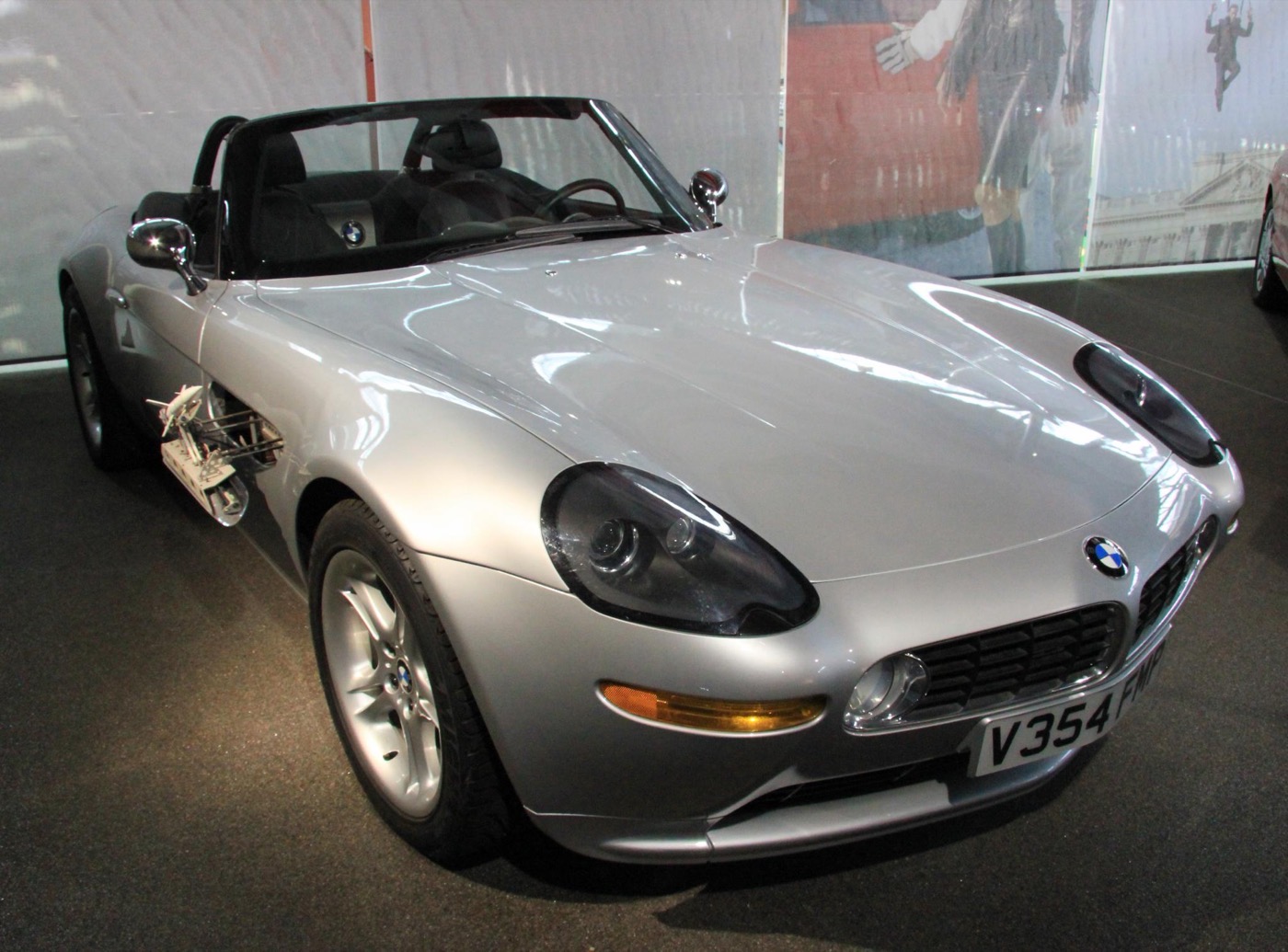
BMW Z8
BMW Z8
The Z8 sits in the halo lane: low volume, aluminum-intensive construction, S62 V8 power, and a market driven as much by cultural status and completeness as by normal enthusiast-car comp logic.
Porsche guides
Shop the generation, not just the badge
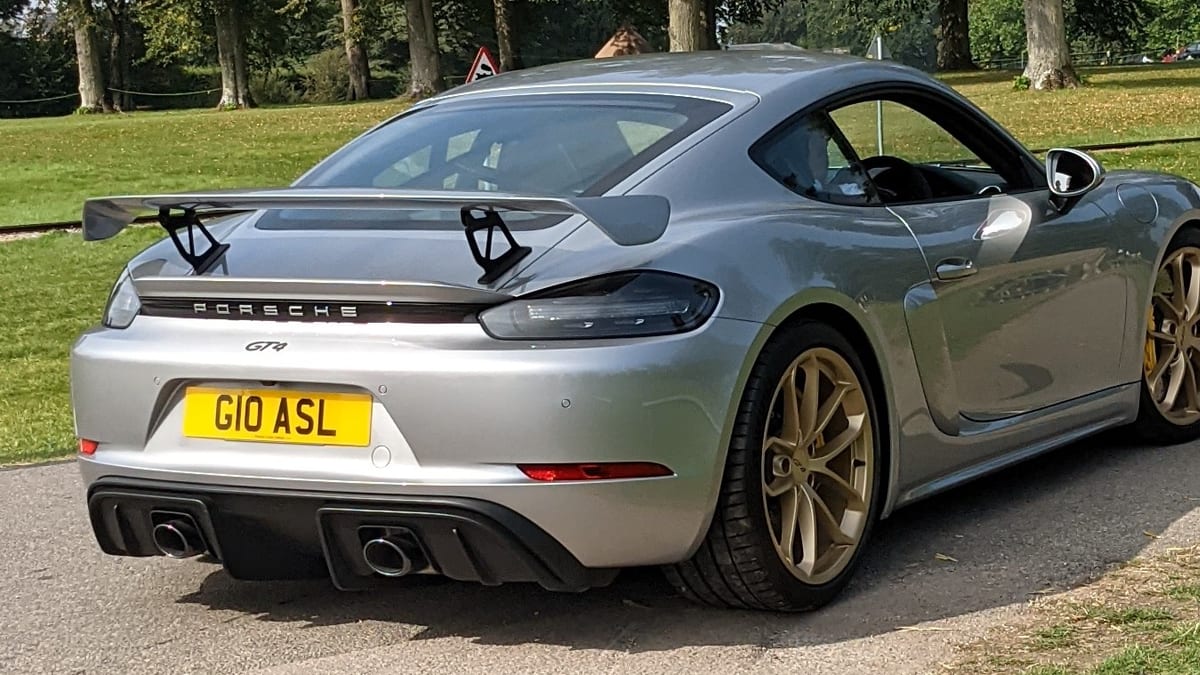
Porsche 718 Cayman GT4
Porsche 718 Cayman GT4
The 718 Cayman GT4 matters because it takes the GT4 formula from cult favorite to modern serious-performance benchmark. Buyers shop it by transmission, seats, color, and ownership quality because the car is already close to a keeper-grade modern Porsche out of the box.
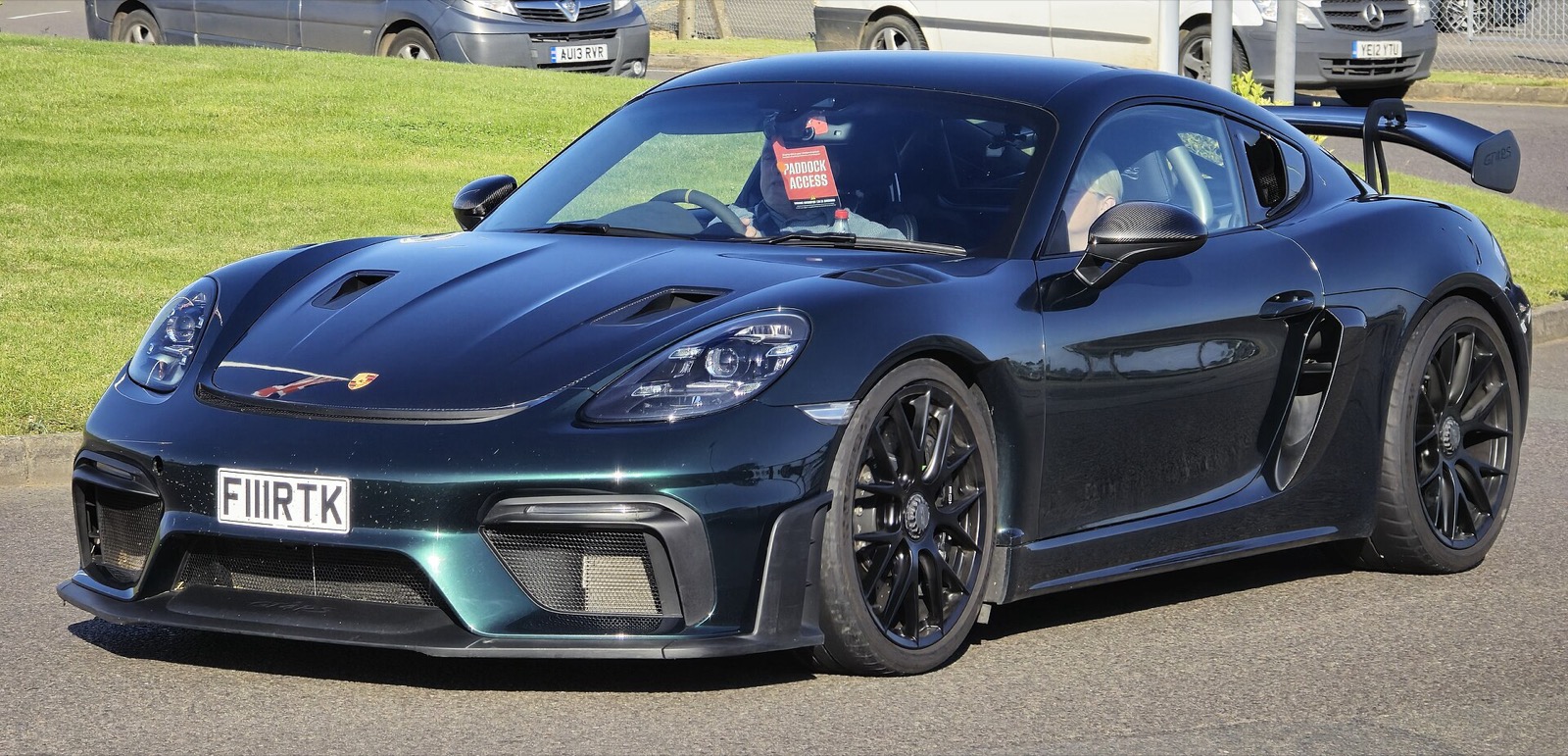
Porsche 718 Cayman GT4 RS
Porsche 718 Cayman GT4 RS
The GT4 RS is not simply a faster 718 GT4. Its GT3-derived 4.0-liter engine, PDK-only drivetrain, intake layout, aero, and chassis create a separate collector and track-car market where Weissach and Manthey hardware require careful documentation.
Porsche 718 Spyder
Porsche 718 Spyder
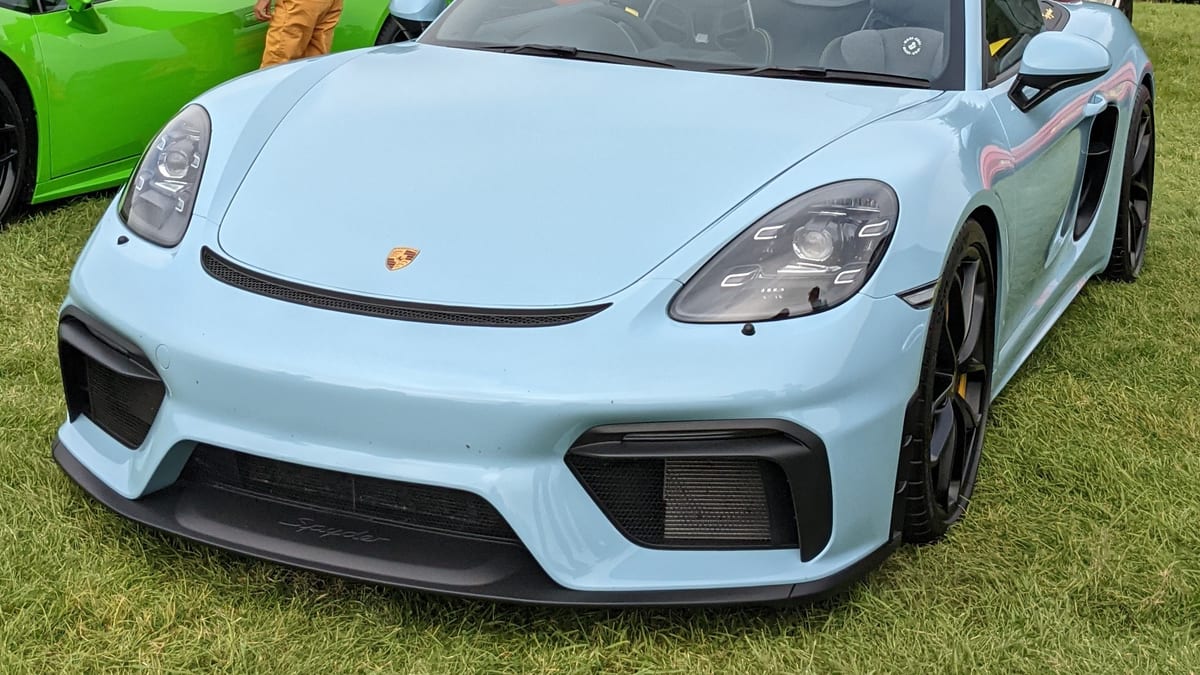
The 718 Spyder matters because it turns the open-top Porsche formula into a serious enthusiast car instead of a softer lifestyle product. Buyers shop it as a manual, naturally aspirated statement car with real long-term appeal.
Porsche 930 Turbo
Porsche 930 Turbo
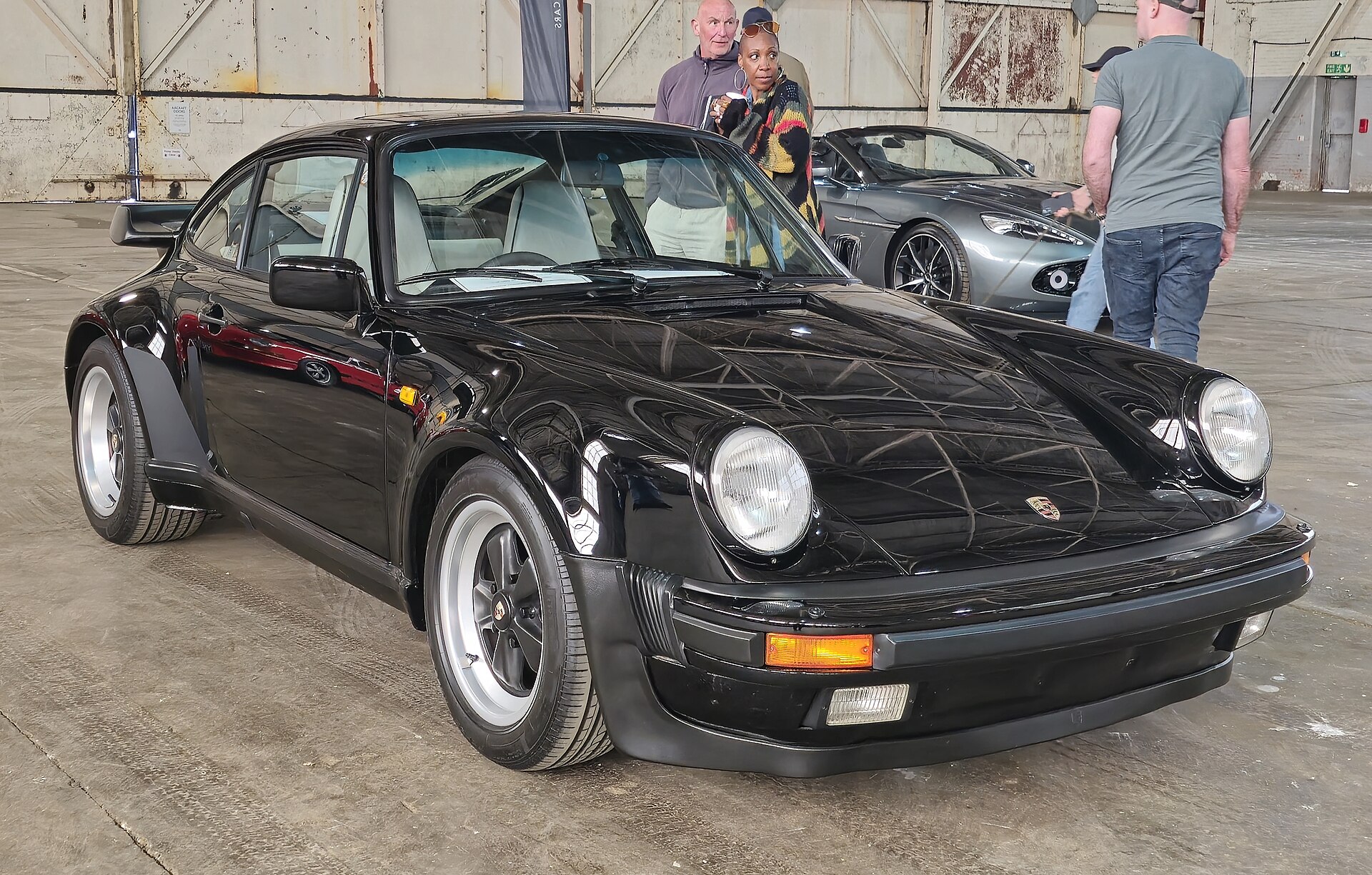
The 930 established the 911 Turbo formula: motorsport-derived boost, wide bodywork, dramatic rear aero, and luxury equipment wrapped around performance that demanded attention. Early 3.0-liter cars, later 3.3-liter cars, and the final five-speed model year trade in distinct lanes.
Porsche 964 911
Porsche 964 Carrera / RS / Turbo
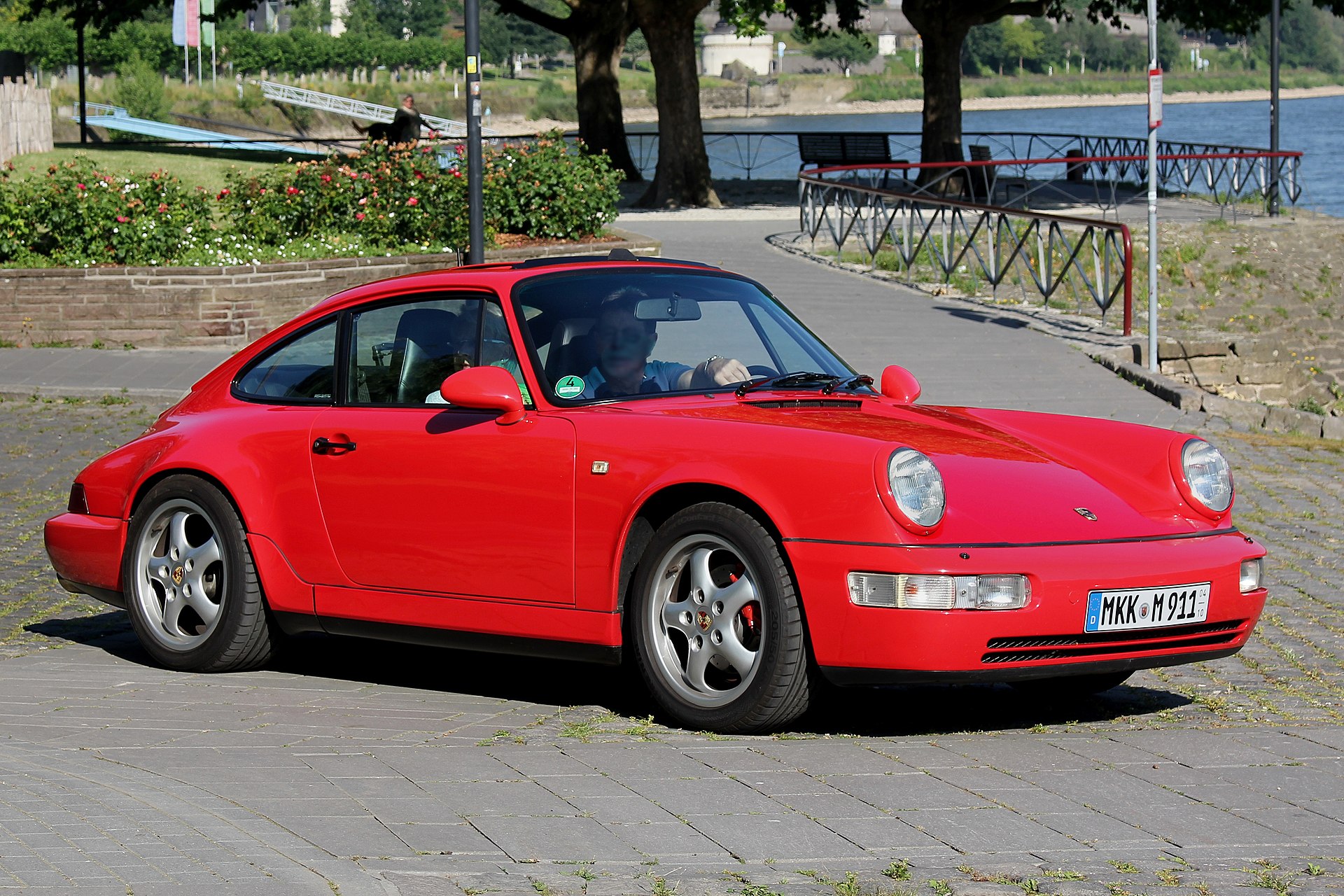
The 964 changed far more than its familiar silhouette suggests. Carrera 2 and Carrera 4 cars introduced a new 3.6-liter platform, Tiptronic, ABS, power steering, and deployable aero, while the RS and Turbo branches became their own collector markets.
Porsche 981 Cayman GT4
Porsche 981 Cayman GT4
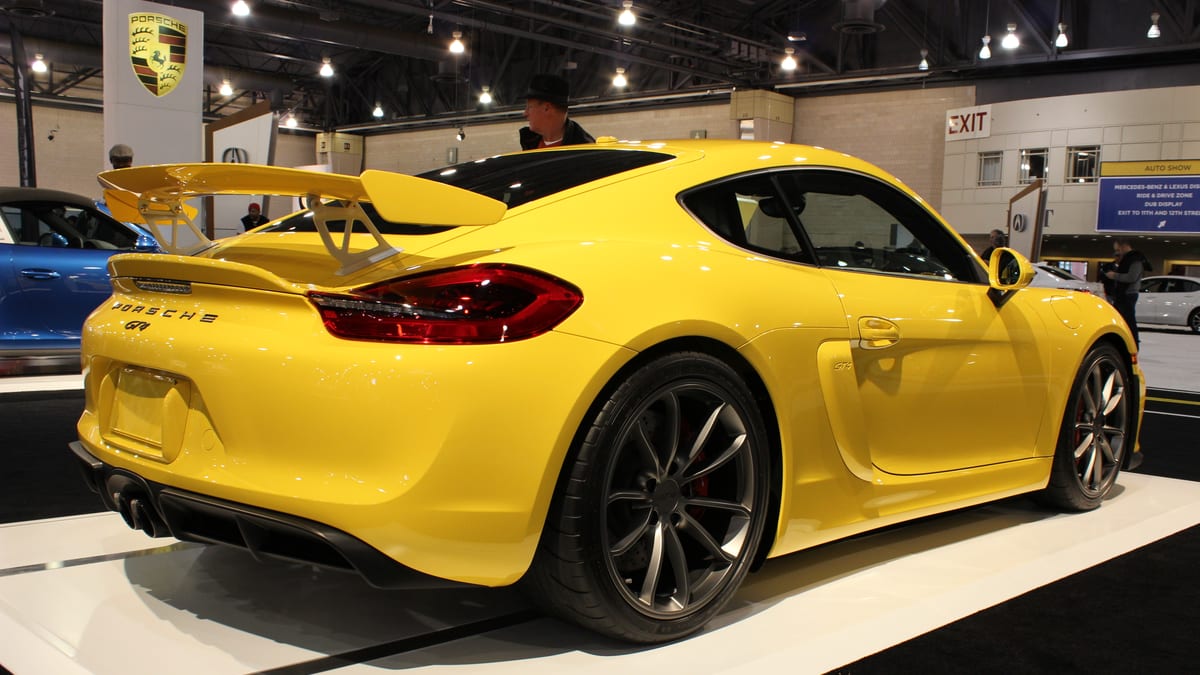
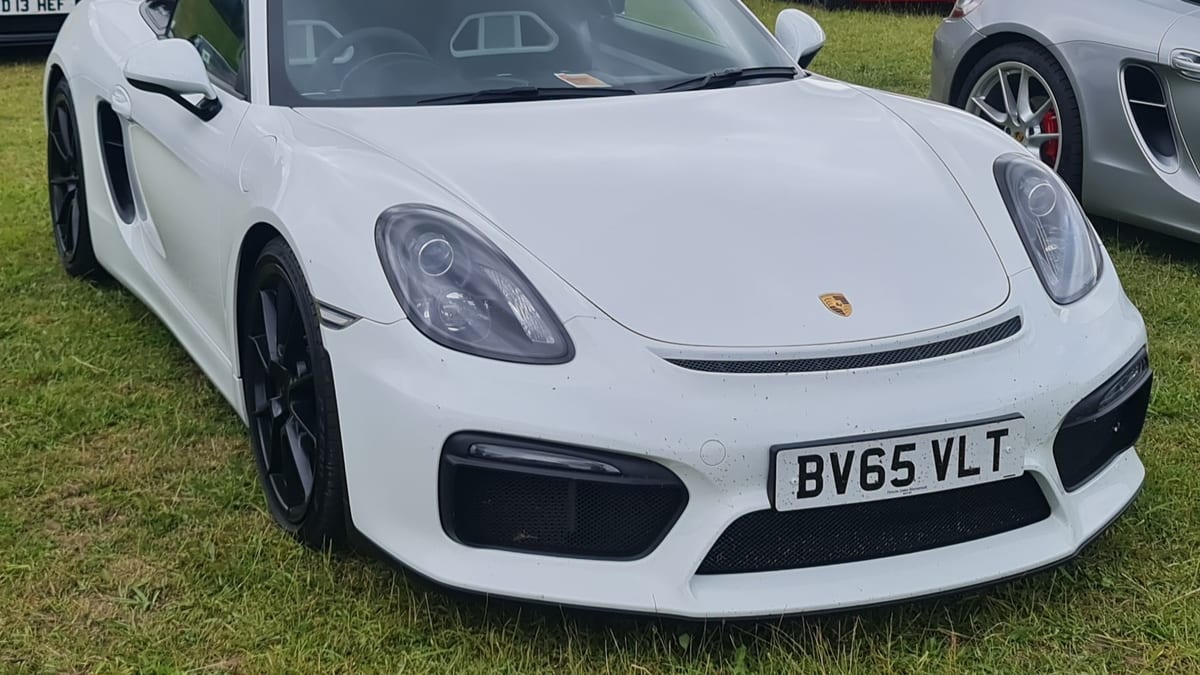
The 981 Cayman GT4 is the first Cayman that fully crossed into GT-car territory in the eyes of buyers. It carries manual-only credibility, real chassis seriousness, and a market that treats good specs as long-term keeper material.
Porsche 981 Spyder
Porsche 981 Spyder
The 981 Spyder matters because it is not just a pretty convertible. It shares the serious 981-era enthusiast logic with the Cayman GT4 while giving buyers a manual, open-top, naturally aspirated Porsche with real long-term desirability.
Porsche 986 Boxster
Porsche 986 Boxster
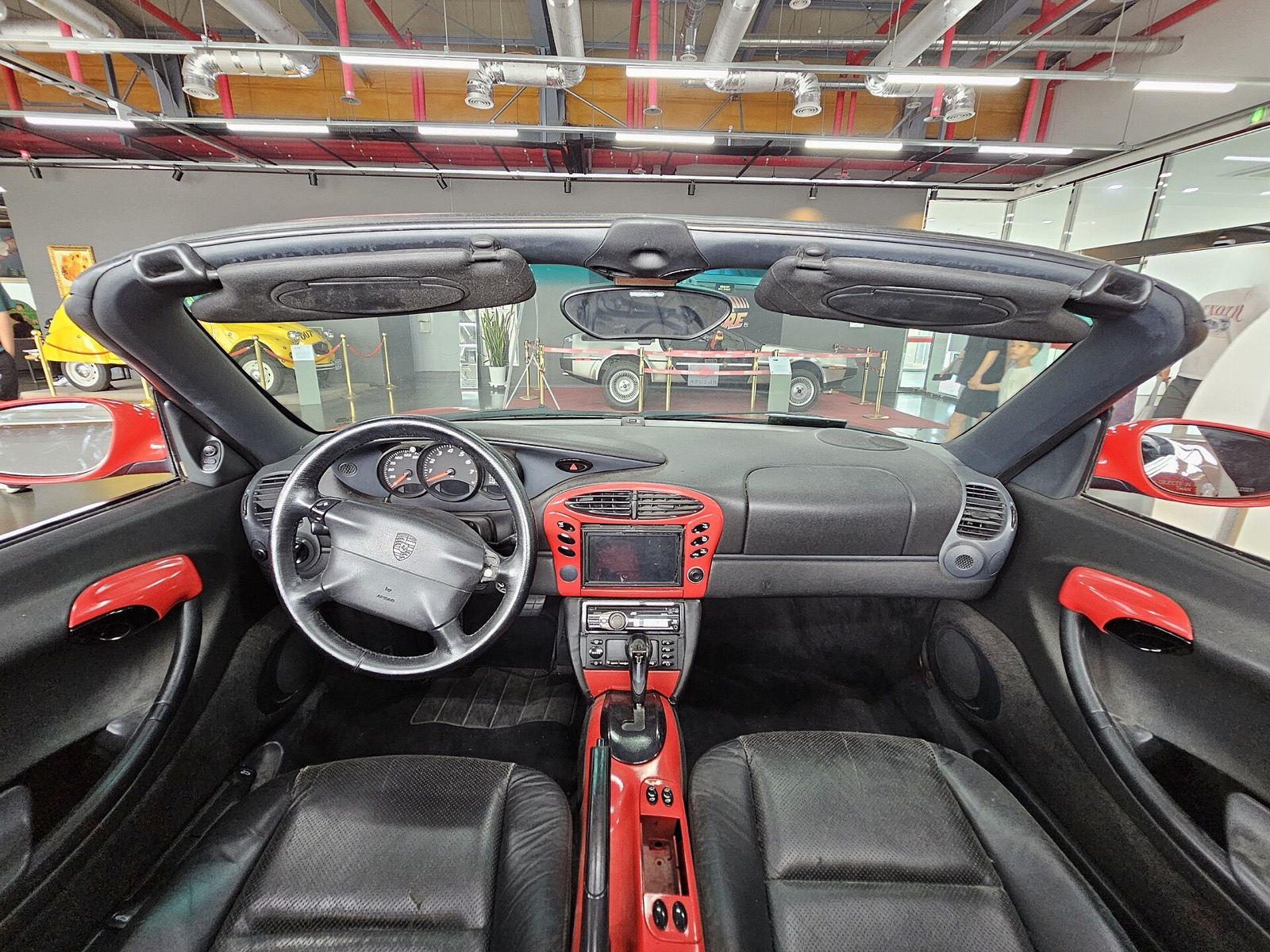
The 986 Boxster is no longer just the inexpensive Porsche. Early 2.5-liter cars preserve the launch character, later 2.7-liter cars add useful performance, and the 3.2-liter S creates the strongest conventional buyer lane, but condition and deferred maintenance can overwhelm the purchase price.
Porsche 987 Boxster
Porsche 987 Boxster / Spyder
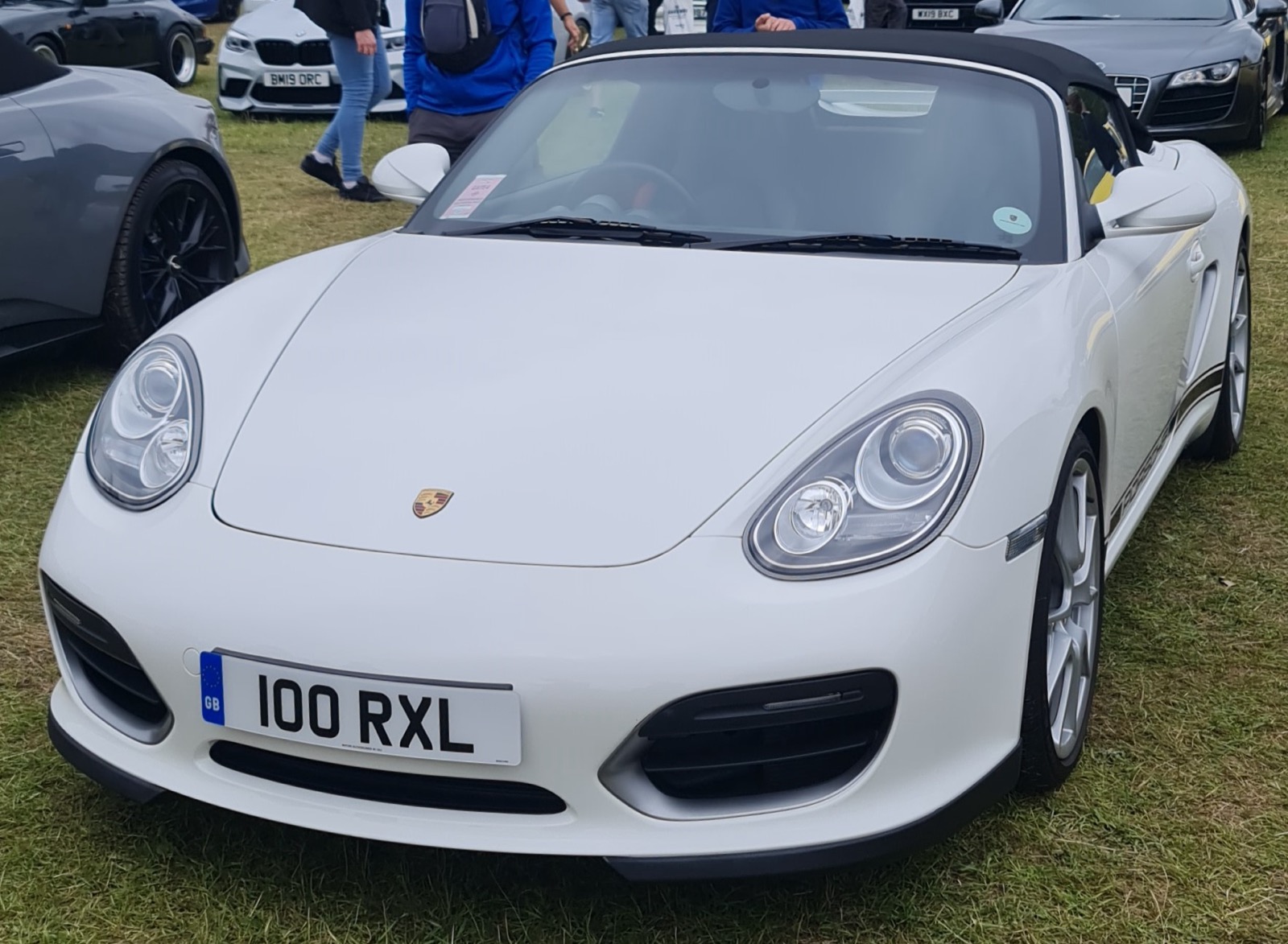
The 987 Boxster refined the original formula without losing its compact scale. Early 987.1 cars retain Tiptronic and the first engine family, 987.2 cars bring direct injection and PDK, and the 320-hp Boxster Spyder uses a lighter roof and distinct bodywork to create a collector lane of its own.
Porsche 987 Cayman R
Porsche 987 Cayman R
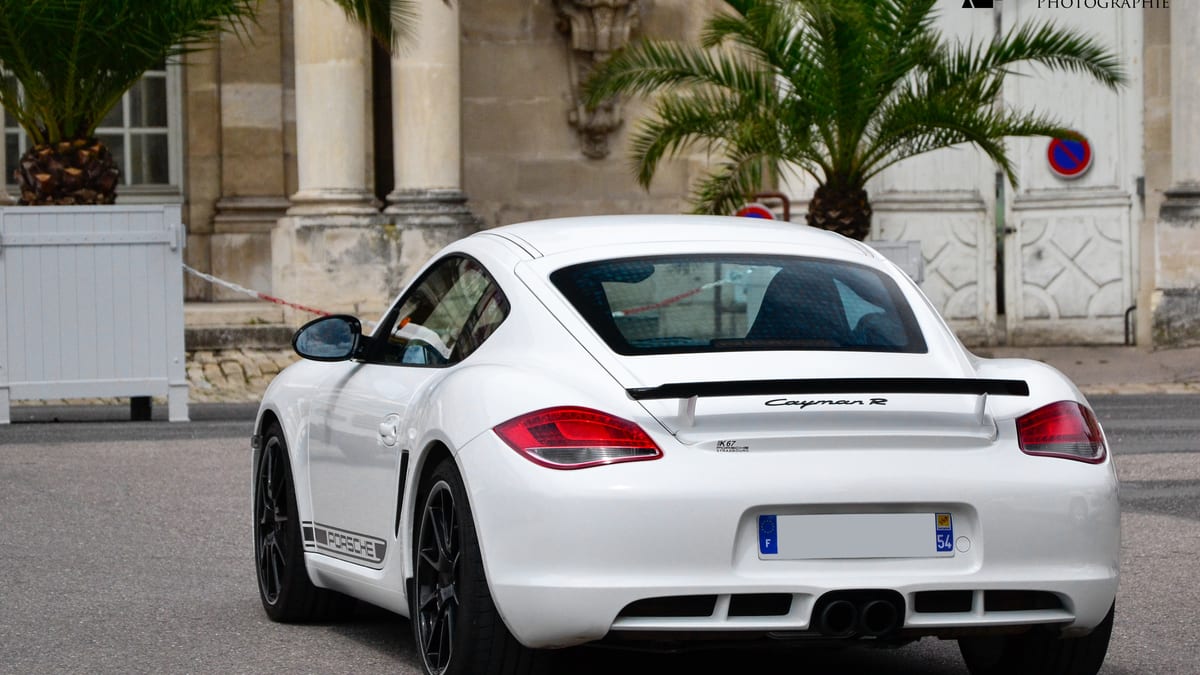
The 987 Cayman R is the early Cayman halo buyers still talk about with real affection. It is lighter, sharper, and more intentional than a normal Cayman S, so the market needs to protect it from generic Cayman comparisons.
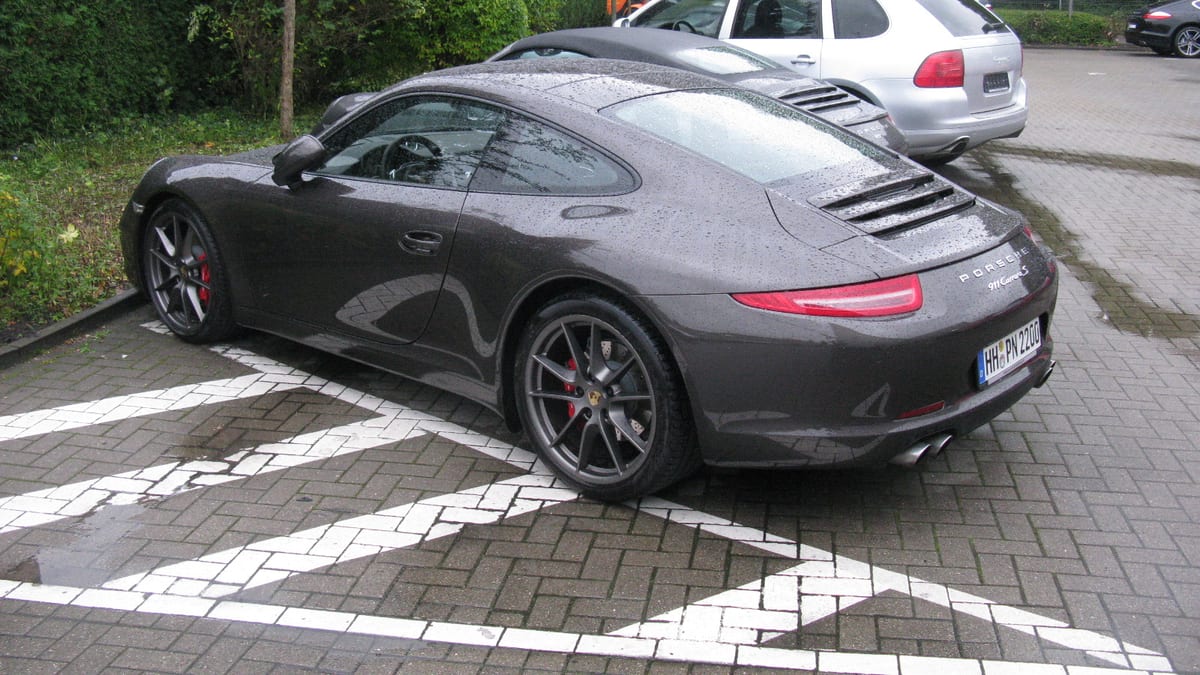
Porsche 991 Carrera / Carrera T
Porsche 991 Carrera / Carrera T
The 991 Carrera and Carrera T page keeps the normal 991 market honest. Base and S cars are common enough to need filtering discipline, while the Carrera T deserves attention because it concentrates the driver-focused options buyers actually want.
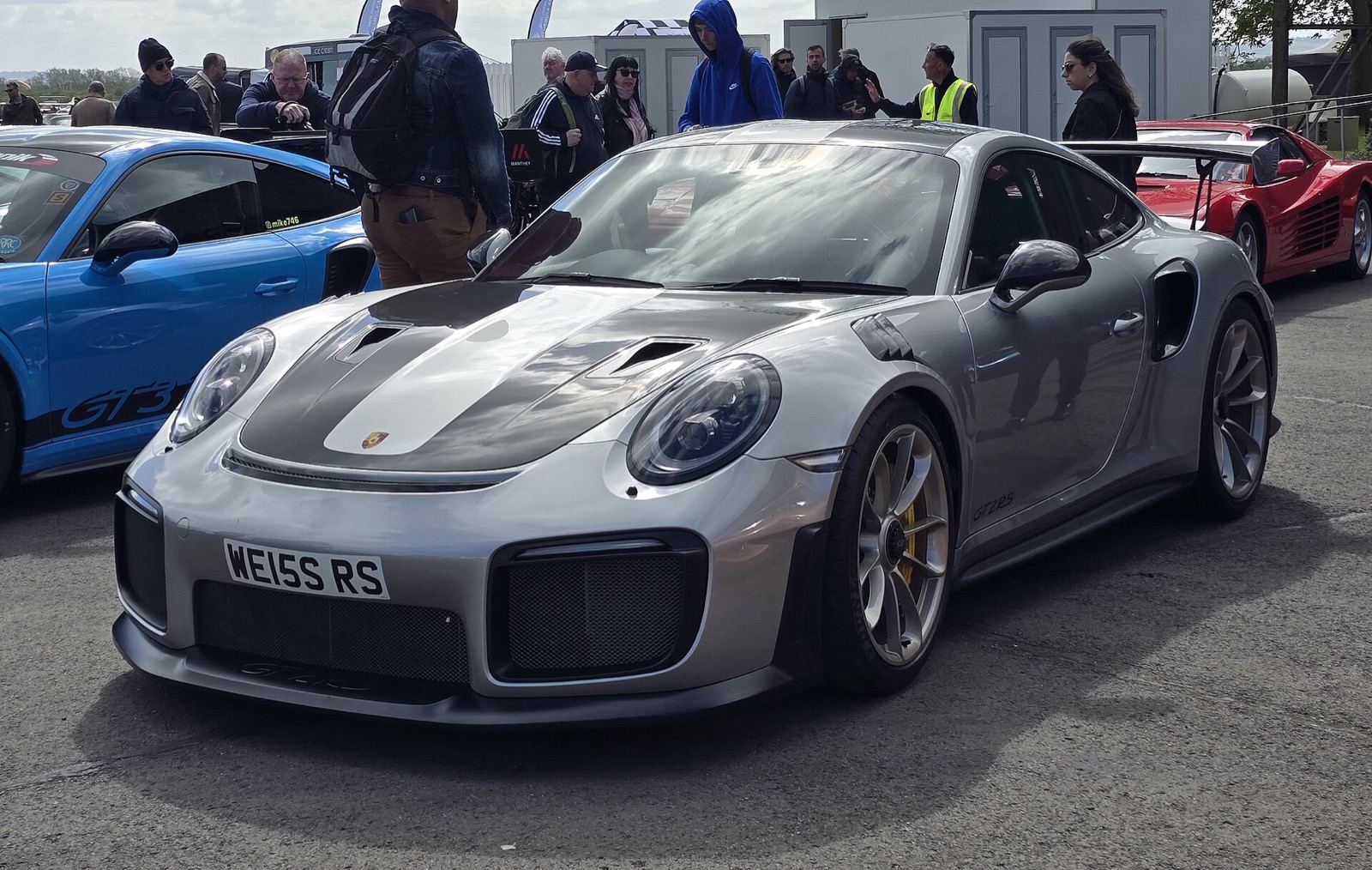
Porsche 991 GT2 RS
Porsche 991 GT2 RS
The 991 GT2 RS combines Turbo-derived output with a rear-drive GT chassis and PDK. Standard, Weissach, and Manthey-modified examples can look similar in listings while carrying very different equipment, use, and valuation stories.
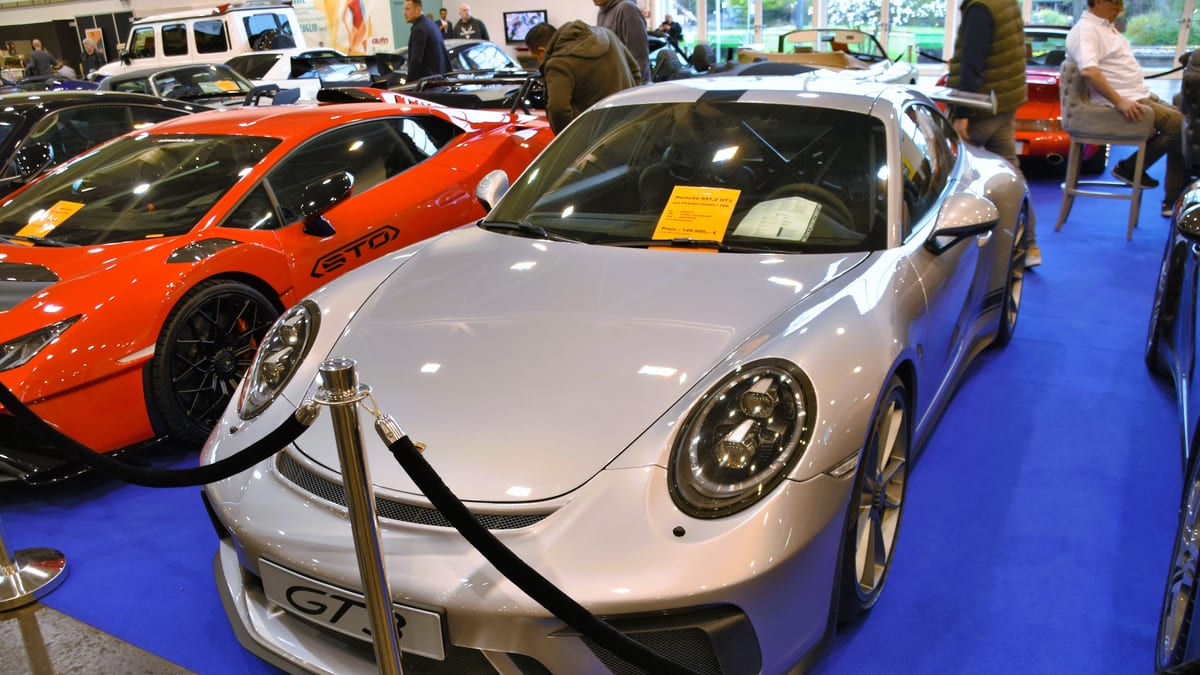
Porsche 991 GT3
Porsche 991 GT3
The 991 GT3 is the modern GT3 turning point: PDK-only at launch, huge performance, engine-replacement history on early cars, and a 991.2 phase that brought both refinement and Touring-market gravity.
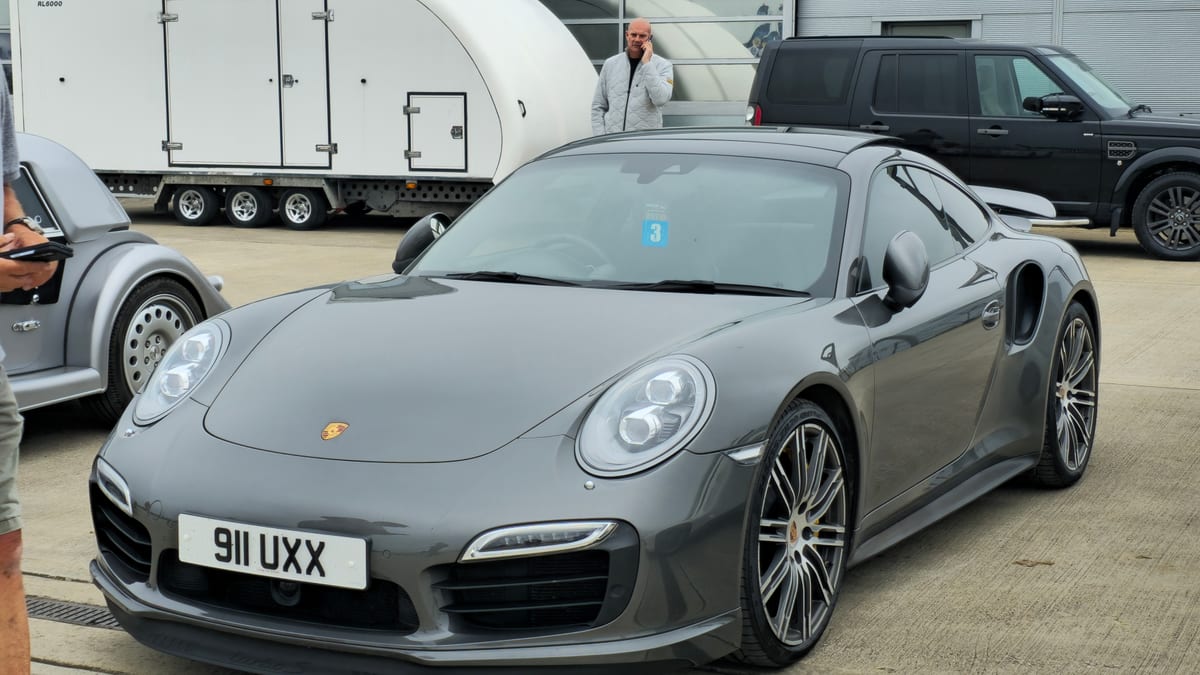
Porsche 991 Turbo
Porsche 991 Turbo
The 991 Turbo is a modern all-weather supercar that can look deceptively ordinary in listings. The market needs separation by Turbo versus Turbo S, coupe versus cabriolet, mileage, options, and whether the car still feels like a premium flagship.
Porsche 992 Carrera
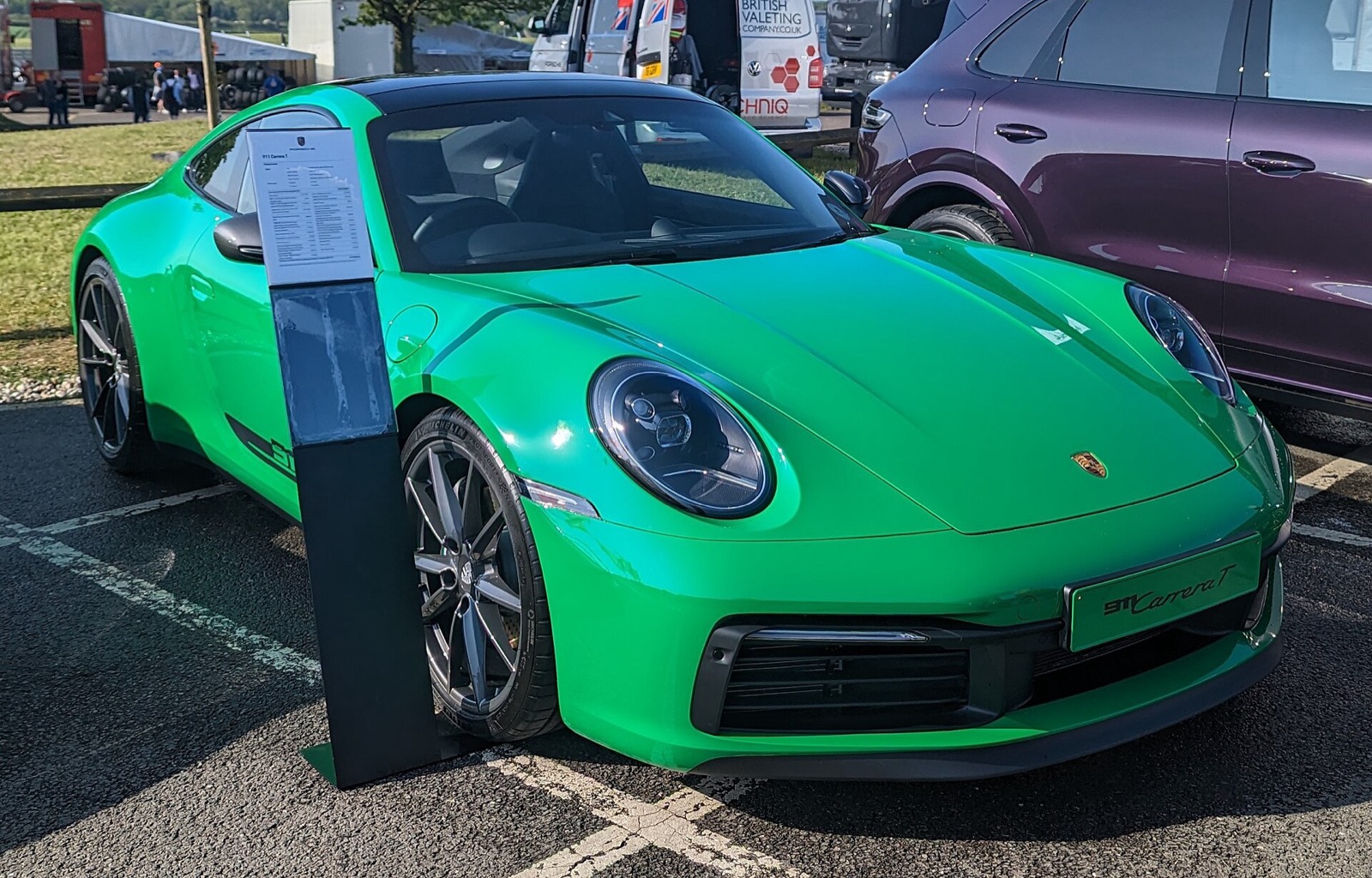
Porsche 992 Carrera / T / GTS
The 992 Carrera market cannot be read as one trim ladder. Base, S, 4, and 4S cars establish the broad lane, the rear-drive Carrera T packages driver-focused hardware around the standard engine, and the GTS splits again between the conventional 992.1 and the T-Hybrid 992.2.
Porsche 992 GT3
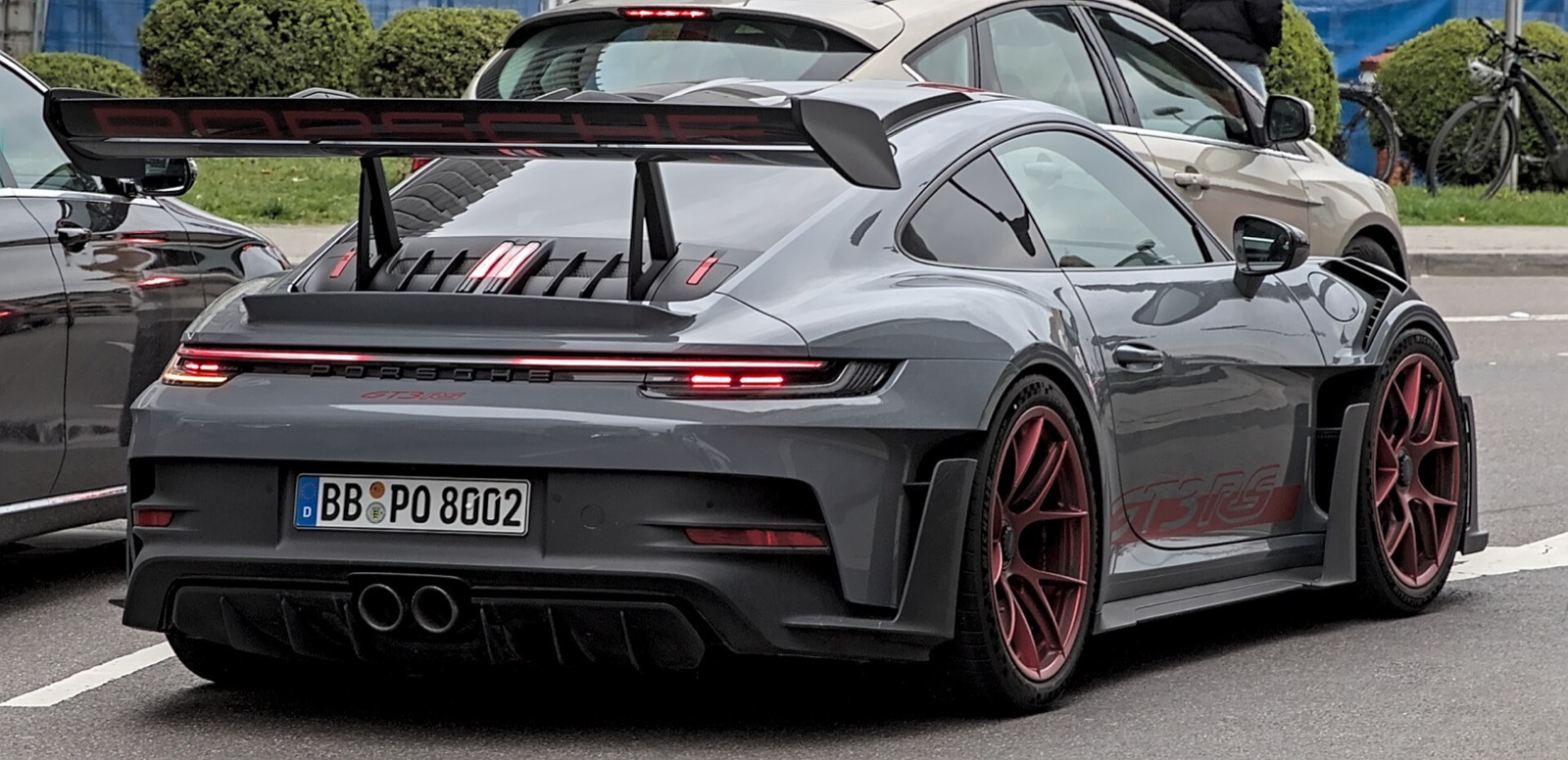
Porsche 992 GT3 / Touring / RS
The 992 GT3 family shares a high-revving 4.0-liter foundation but divides into clearly different markets. The standard GT3 balances road and track use, Touring changes the visual and buyer profile, and the PDK-only GT3 RS adds active aero and a far more extreme chassis brief.
Porsche 993 911
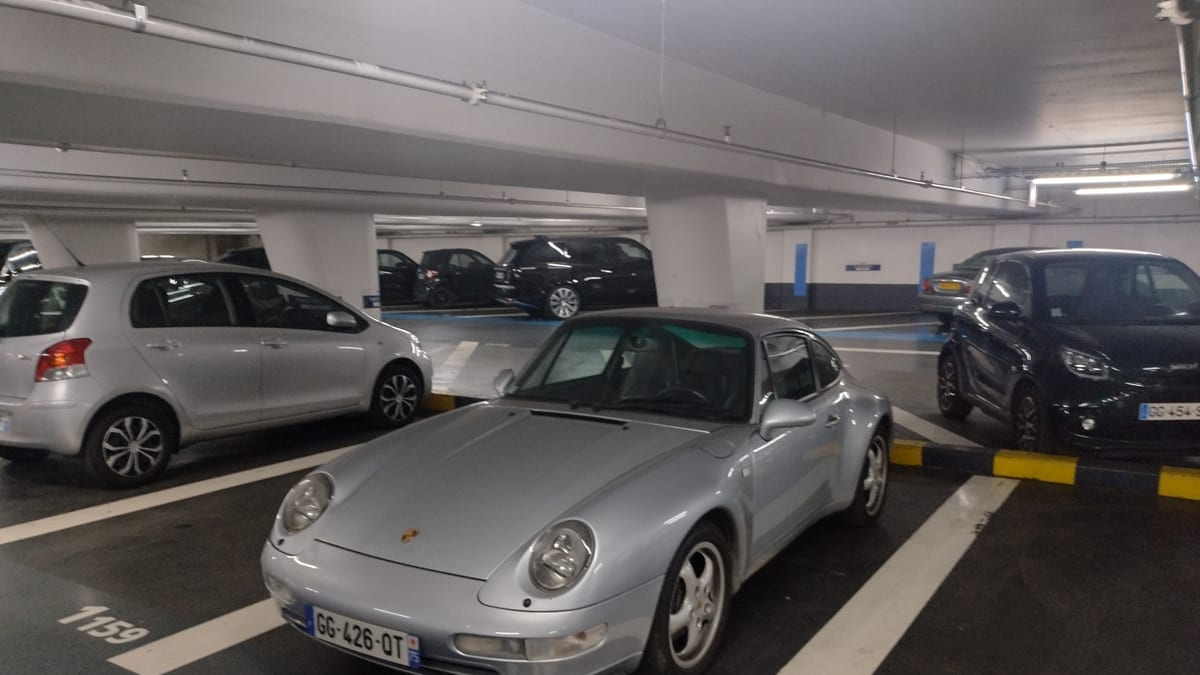
Porsche 993 911
The 993 matters because it closes the air-cooled chapter with a shape, sound, and ownership feel buyers still treat differently from every later 911. The market is not just buying an old Porsche. It is buying the final version of an entire era.
Porsche 996 911
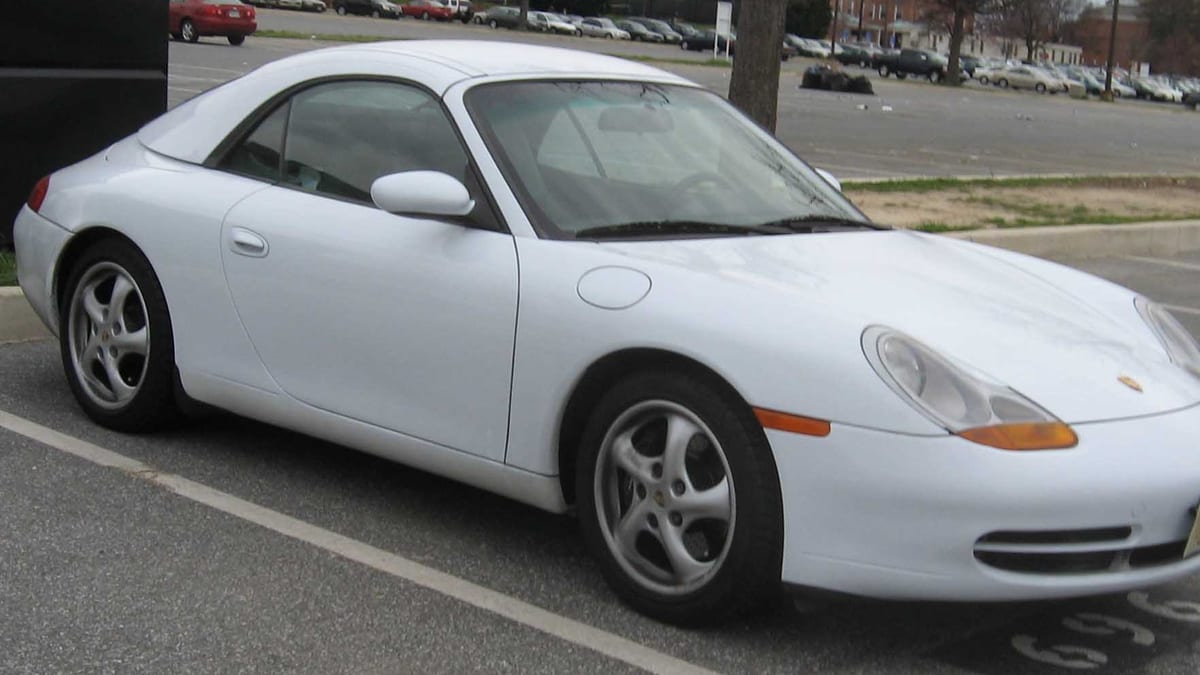
Porsche 996 911
The 996 matters because it resets the 911 formula: water cooling, a very different interior and body story, and a buyer pool that ranges from bargain-first shoppers to enthusiasts chasing specific manual, aero, and preservation combinations.
Porsche 996 GT3
Porsche 996 GT3
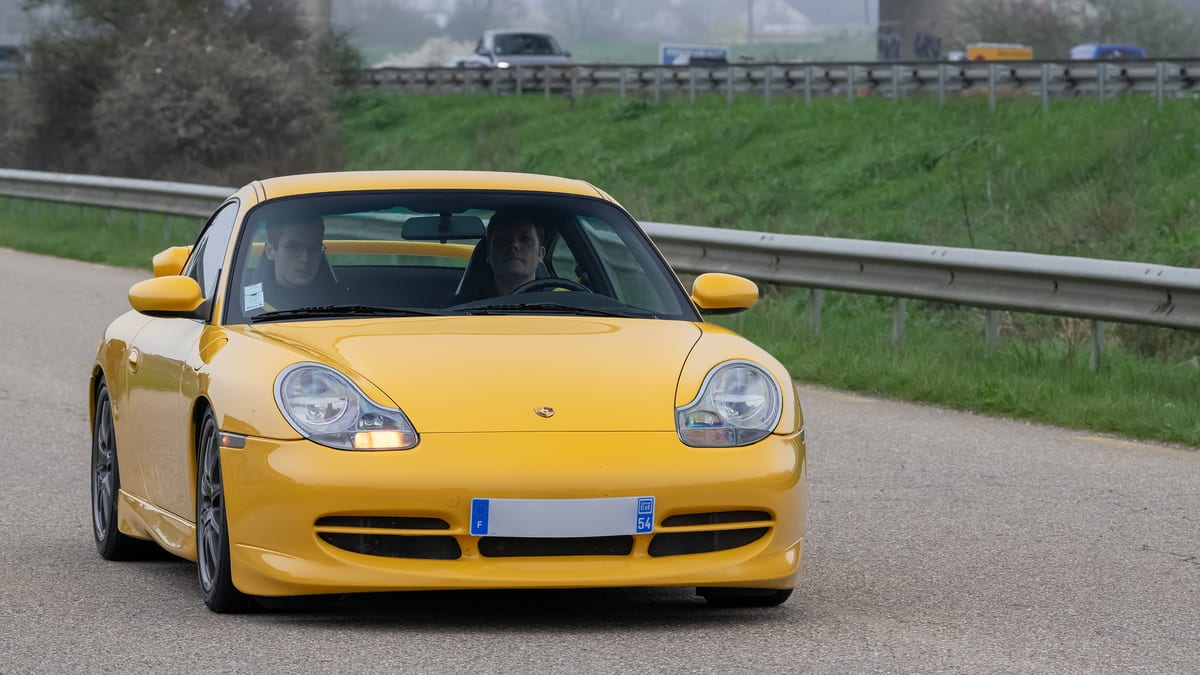
The 996 GT3 matters because it is the hard-edged beginning of the water-cooled GT3 lineage: low weight, Mezger power, manual-only engagement, and a market that cares more about correctness than generic 911 status.
Porsche 997 Carrera
Porsche 997 Carrera
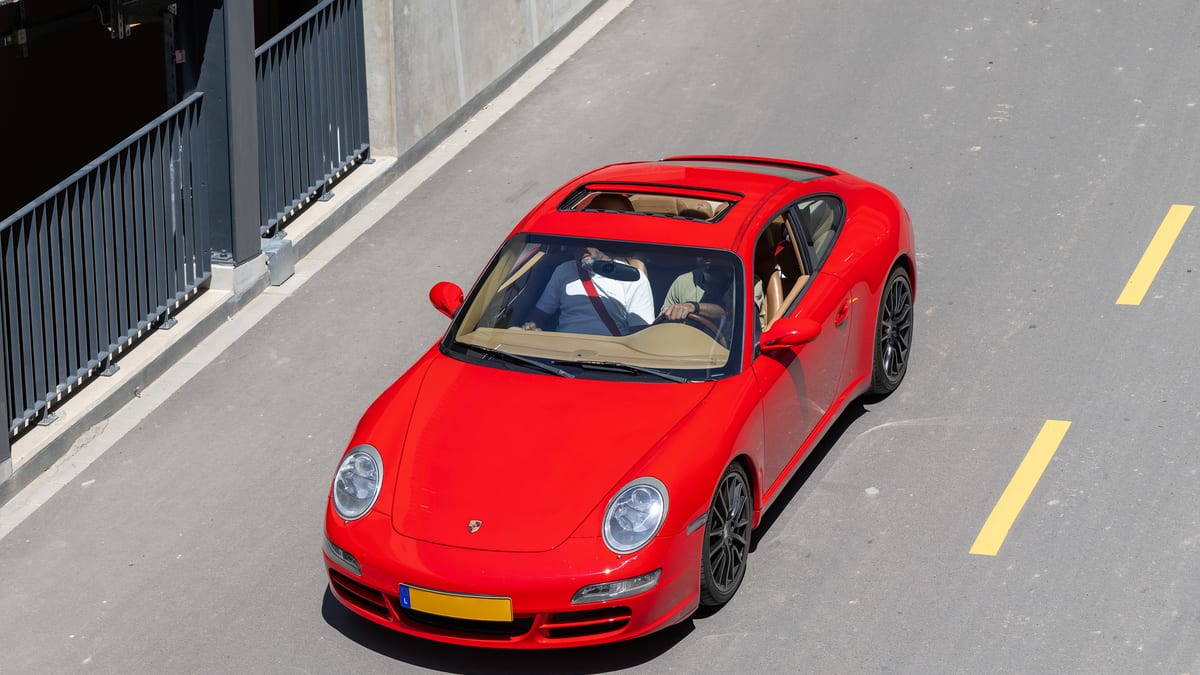
The 997 Carrera deserves its own page because it is the everyday 911 many buyers actually shop: prettier and more analog-feeling than later cars, more modern than the 996, and split sharply between 997.1 and 997.2 expectations.
Porsche 997 GT2
Porsche 997 GT2 / GT2 RS
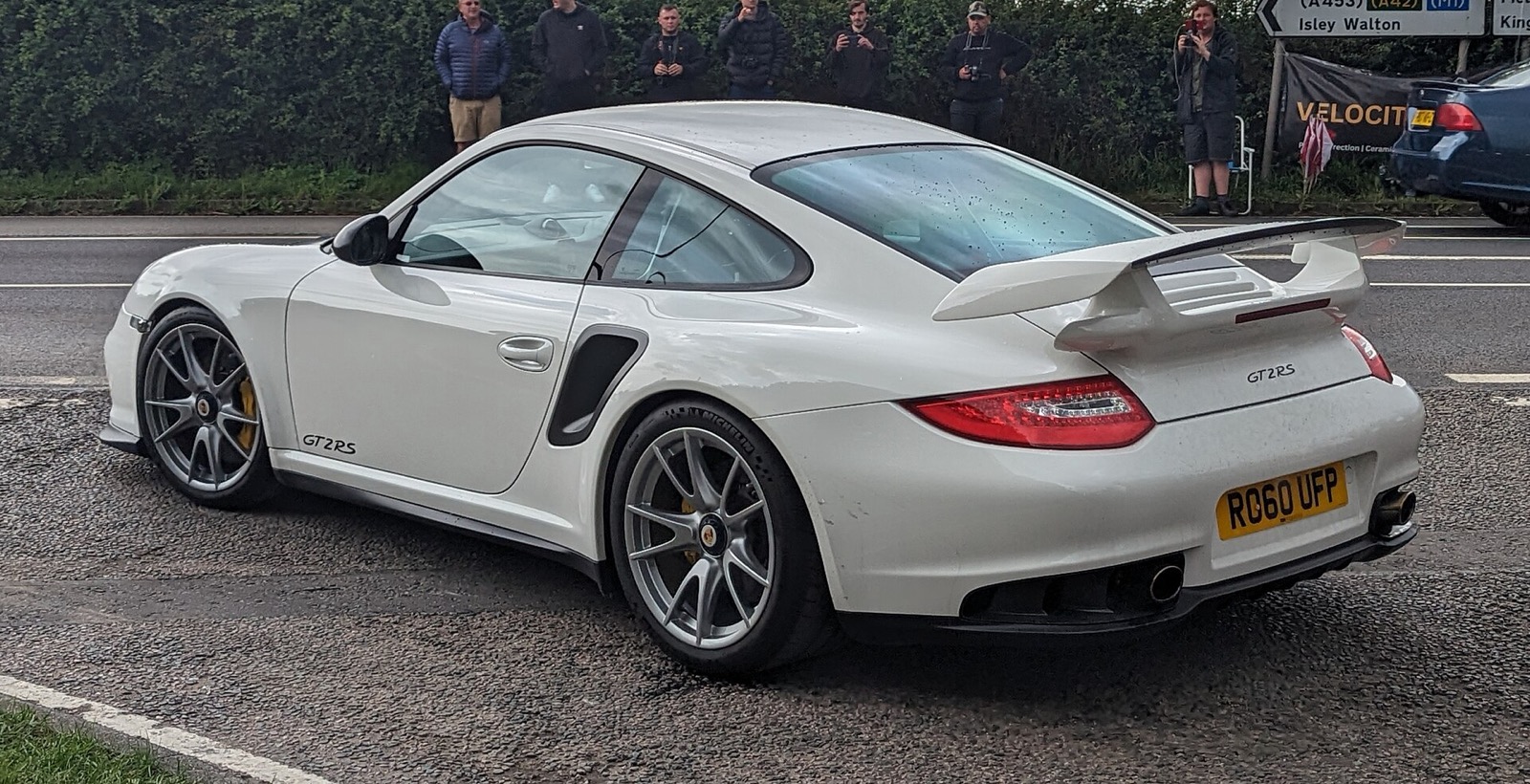
The 997 GT2 and GT2 RS sit apart from both the all-wheel-drive Turbo and naturally aspirated GT3. Both are manual, rear-drive turbo cars, but the 500-car GT2 RS adds power, weight reduction, and rarity that demand a separate provenance and originality standard.
Porsche 997 GT3
Porsche 997 GT3
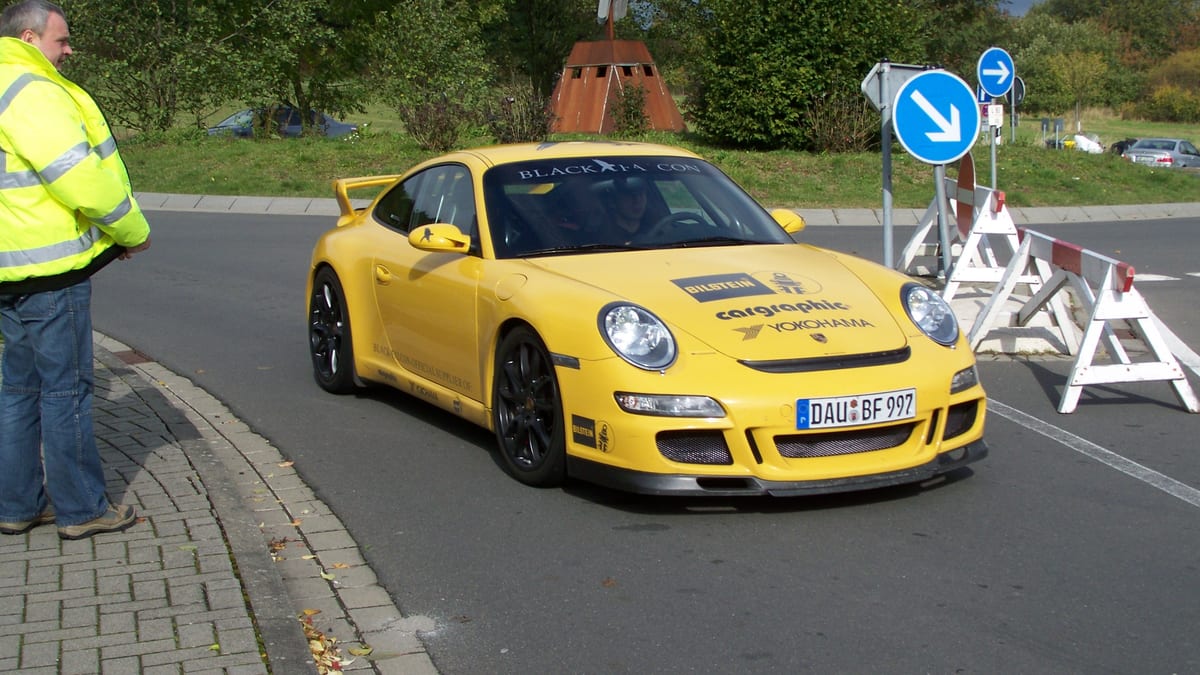
The 997 GT3 is where the GT3 market gets broad enough to be liquid while still feeling hand-built, analog, and special. It is the generation many buyers actually imagine when they say they want a real GT3.
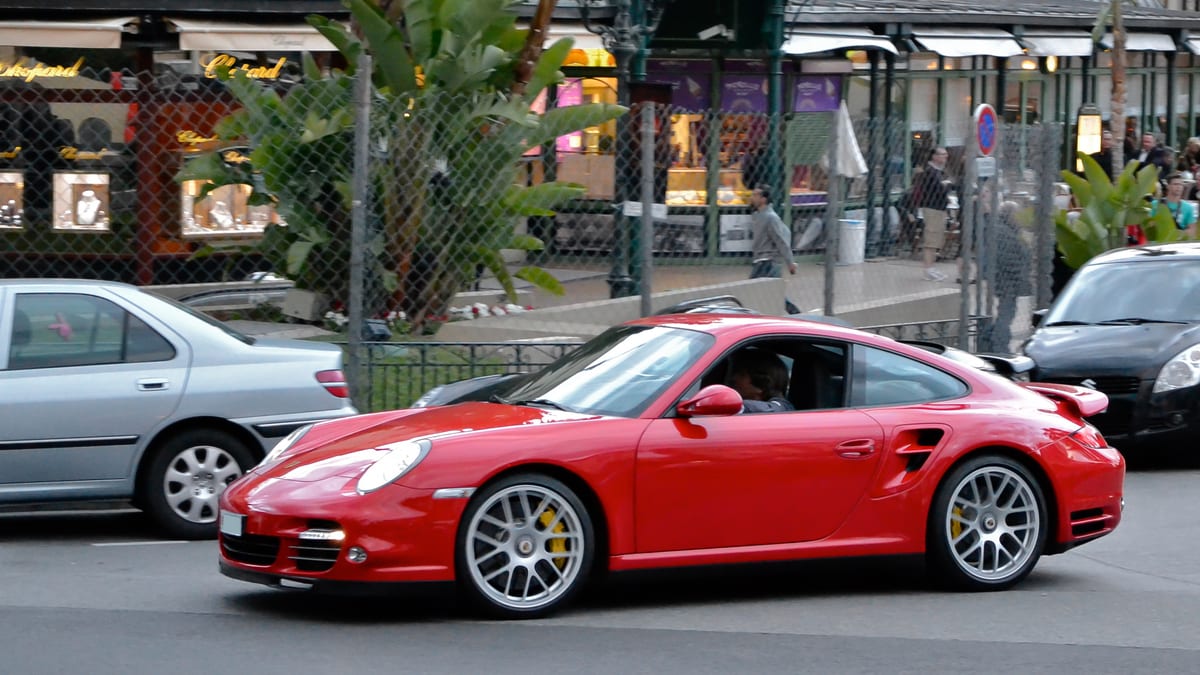
Porsche 997 Turbo
Porsche 997 Turbo
The 997 Turbo matters because it blends real supercar performance with daily usability and a market that rewards complete, low-drama examples. It is one of the clearest enthusiast-buyable Porsche flagships.