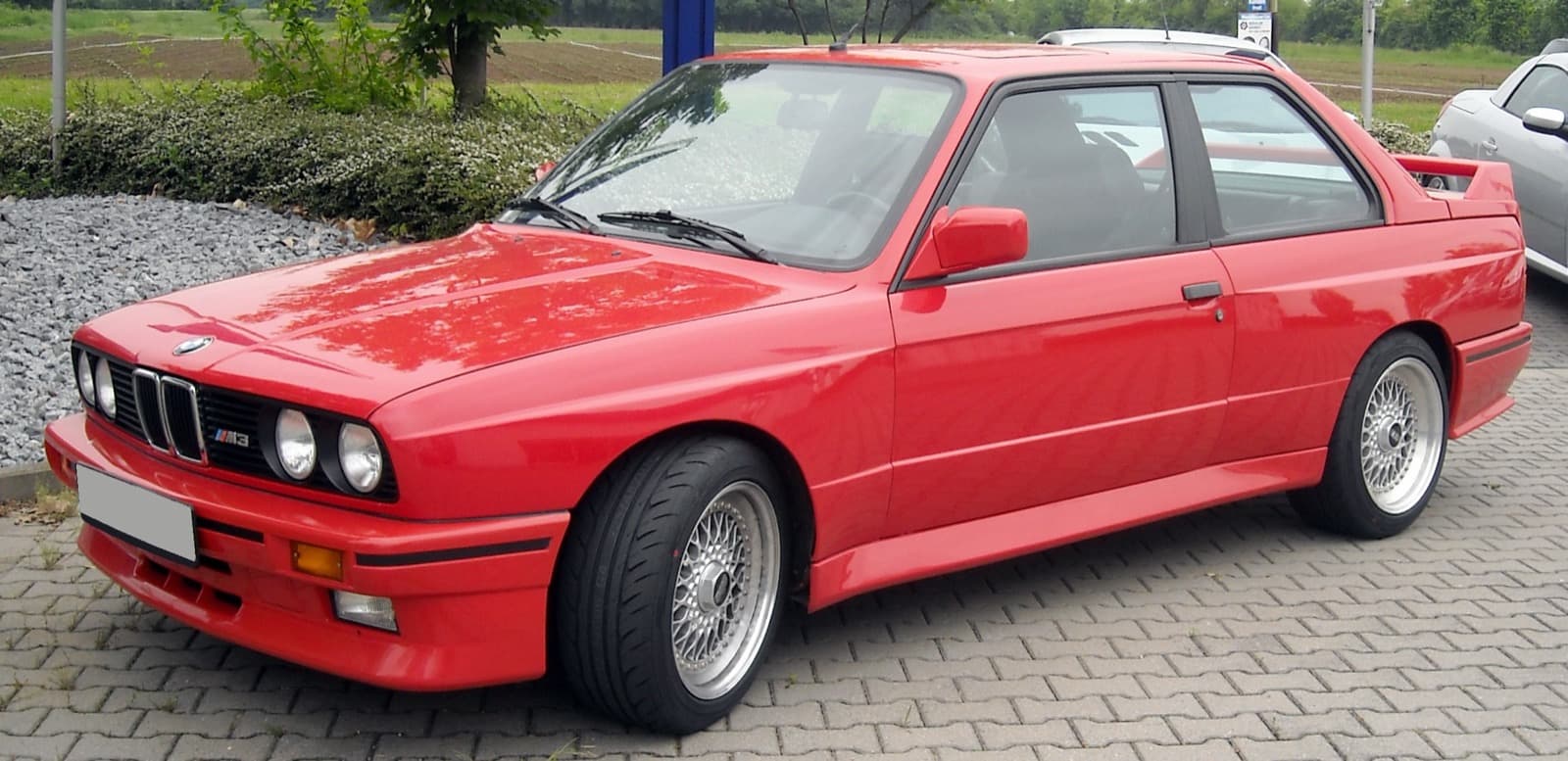
Factory character
The factory details buyers are actually trying to keep intact
Factory Equipment
The equipment story should identify the original drivetrain, chassis format, major factory packages, and cabin hardware before modifications or seller-added features enter the discussion. BMW M3 E30 model archive anchors the model context; the build record anchors the individual car.
Factory character
The factory details buyers are actually trying to keep intact
Engine focus
The motor that defines the whole equipment story
Core factory specification
Engine
S14 naturally aspirated four-cylinder. This is part of the factory specification buyers should verify when separating comparable BMW M3 (E30) examples.
Transmission
5-speed manual. This is part of the factory specification buyers should verify when separating comparable BMW M3 (E30) examples.
Layout
Rear-drive homologation coupe. This is part of the factory specification buyers should verify when separating comparable BMW M3 (E30) examples.
Variant note
Evo and Sport Evolution matter. This is part of the factory specification buyers should verify when separating comparable BMW M3 (E30) examples.
Equipment buyers should verify
Factory identity
Confirm factory wheels, seats, trim, and major packages against the build story.
Chassis and controls
Use color and interior pairing as part of the valuation read, not just presentation.
Cabin and trim
Separate top-lane collector specs from driver-grade cars before using comps.
Retained hardware
Check that original hardware accompanies the car when meaningful parts have been changed.
Documentation signals
Strong evidence
Known ownership history, specialist records, and strong provenance trail. Authenticity on body, drivetrain, and rare variant details. Clear prior auction or registry history that matches the seller narrative.
Reasons for caution
Thin provenance at collector-level pricing. Restoration claims without specialist evidence. Heavy modifications presented as investment-grade originality.