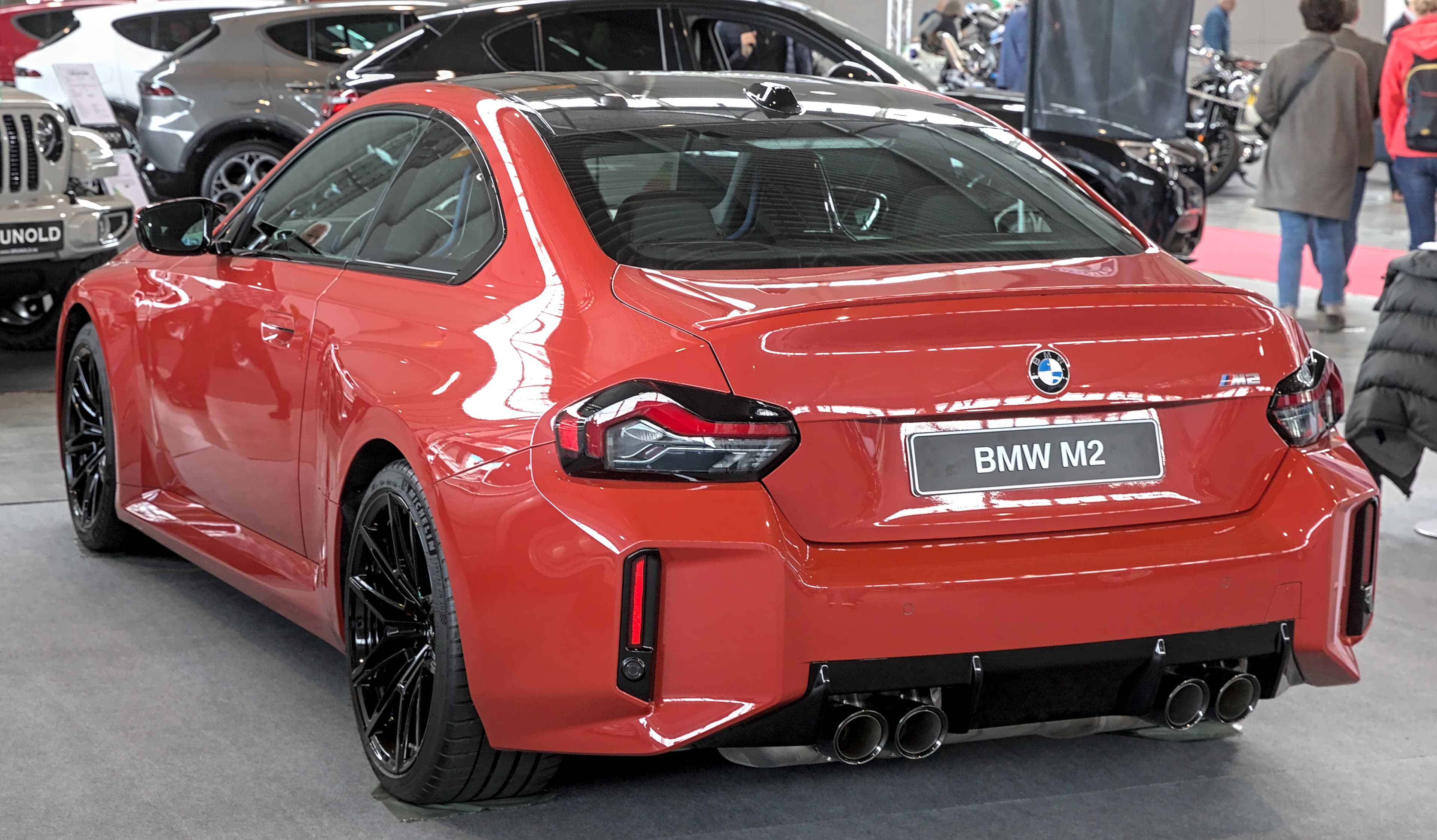
Factory character
The factory details buyers are actually trying to keep intact
Factory Equipment
The equipment story should identify the original drivetrain, chassis format, major factory packages, and cabin hardware before modifications or seller-added features enter the discussion. BMW M2 specification guide anchors the model context; the build record anchors the individual car.
Factory character
The factory details buyers are actually trying to keep intact
Engine focus
The motor that defines the whole equipment story
Core factory specification
Engine family
S58 twin-turbo inline-six. This is part of the factory specification buyers should verify when separating comparable BMW M2 (G87) examples.
Output
453 to 523 hp. This is part of the factory specification buyers should verify when separating comparable BMW M2 (G87) examples.
Transmission
6-speed manual or 8-speed automatic. This is part of the factory specification buyers should verify when separating comparable BMW M2 (G87) examples.
Layout
Rear-drive compact coupe. This is part of the factory specification buyers should verify when separating comparable BMW M2 (G87) examples.
Equipment buyers should verify
Factory identity
Separate manual and automatic cars before doing any comp work.
Chassis and controls
Check whether the car wears bucket seats, correct factory wheels, and coherent trim for its asking price.
Cabin and trim
Treat stock versus tuned cars as different lanes from the start.
Retained hardware
Look for brake, tire, and consumable history instead of only mileage headlines.
Documentation signals
Strong evidence
Clear option story with consistent photos and clean presentation. Stock or lightly modified car with a coherent maintenance file. Brake, tire, and routine service history that matches the way the car has been used.
Reasons for caution
Aggressive tuning with weak supporting records. Bucket-seat or top-spec pricing on a messy configuration. Mileage doing all the work where the spec and file are ordinary.