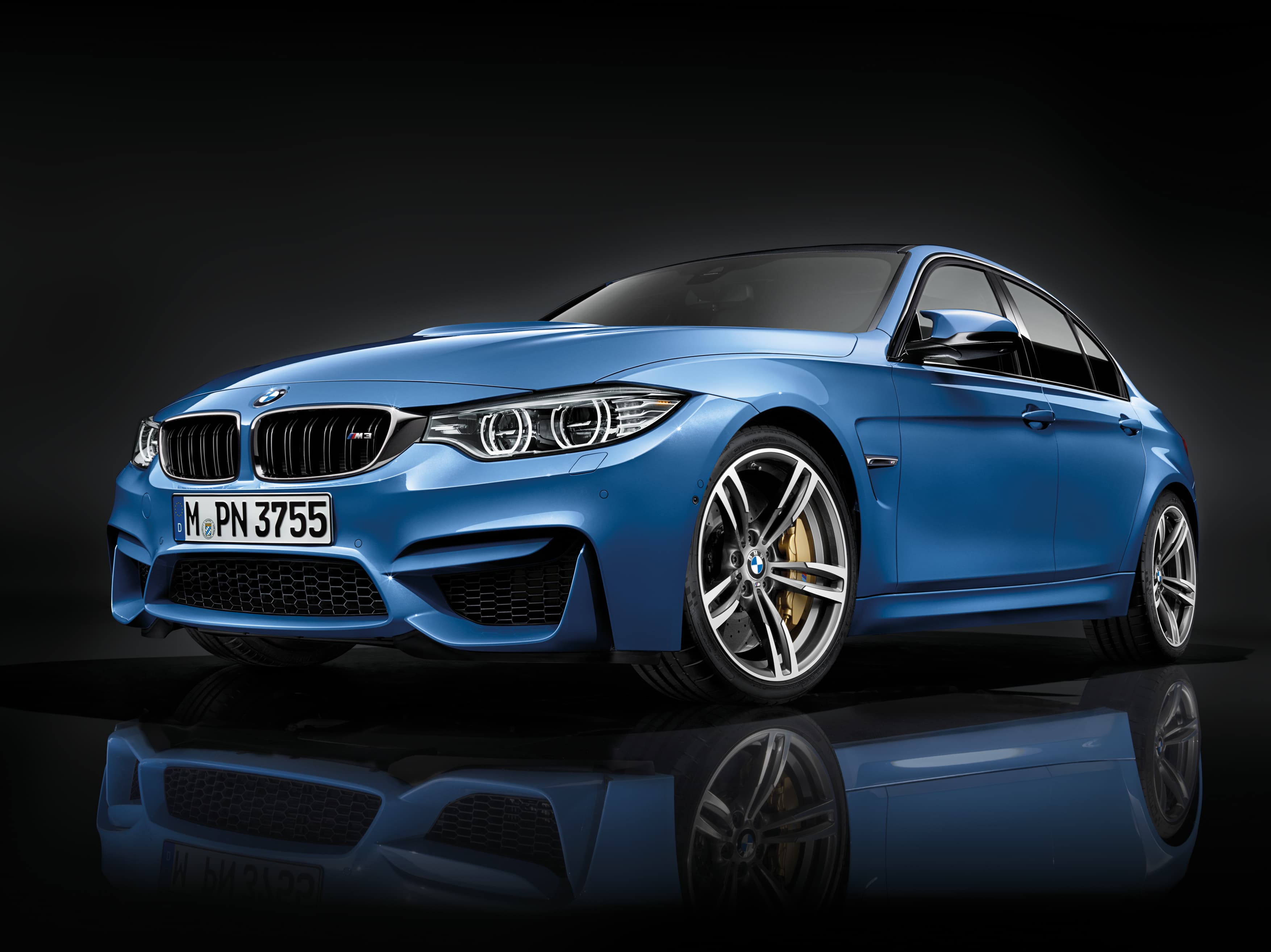
Factory character
The factory details buyers are actually trying to keep intact
Factory Equipment
The equipment story should identify the original drivetrain, chassis format, major factory packages, and cabin hardware before modifications or seller-added features enter the discussion. BMW M3 Sedan and M4 Coupe launch information anchors the model context; the build record anchors the individual car.
Factory character
The factory details buyers are actually trying to keep intact
Engine focus
The motor that defines the whole equipment story
Core factory specification
Engine
3.0L S55 twin-turbo inline-six. This is part of the factory specification buyers should verify when separating comparable BMW M3 (F80) examples.
Output
425 hp standard / 444 hp Competition. This is part of the factory specification buyers should verify when separating comparable BMW M3 (F80) examples.
Transmission
6-speed manual or 7-speed DCT. This is part of the factory specification buyers should verify when separating comparable BMW M3 (F80) examples.
Body style
Sedan. This is part of the factory specification buyers should verify when separating comparable BMW M3 (F80) examples.
Equipment buyers should verify
Factory identity
Competition Package, carbon roof, and seat spec clearly documented
Chassis and controls
Correct wheel and brake package still on the car if it is being sold as stock-spec
Cabin and trim
Original exhaust, downpipes, and tuning status made explicit
Retained hardware
Tire brand, brake wear, and suspension story coherent with the asking price
Documentation signals
Strong evidence
Clear service history with honest modification disclosure. Stock-hardware retention or thoughtful, reversible modifications. Manual or Competition examples with clean ownership and presentable cosmetics.
Reasons for caution
Aggressive tune or downpipe story with weak service records. Seller calling the car 'fully built' without a coherent maintenance file. Price anchored to rarity language rather than condition, spec, and ownership quality.