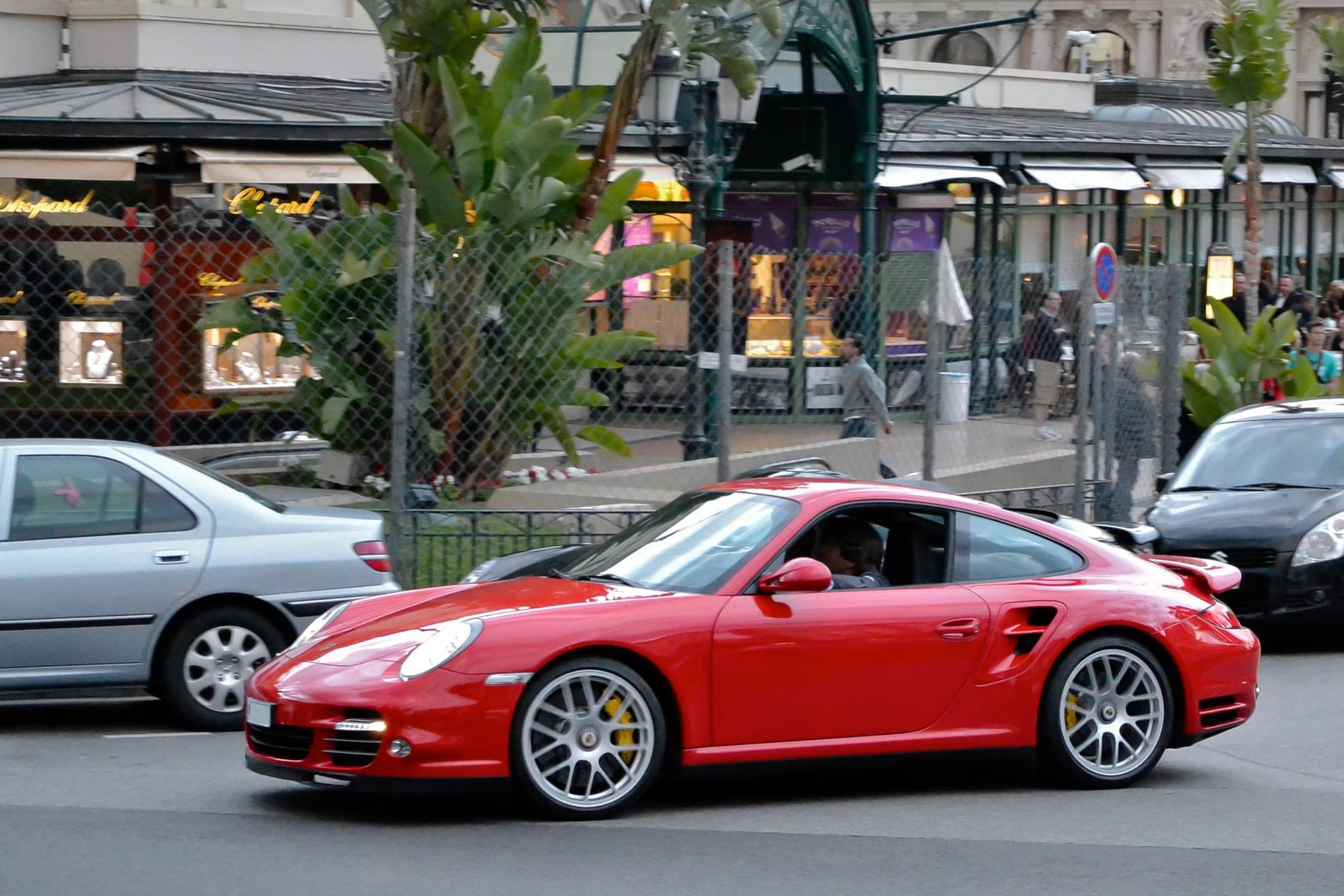
Factory character
The factory details buyers are actually trying to keep intact
Factory Equipment
The equipment story should identify the original drivetrain, chassis format, major factory packages, and cabin hardware before modifications or seller-added features enter the discussion. Porsche 911 Turbo model history anchors the model context; the build record anchors the individual car.
Factory character
The factory details buyers are actually trying to keep intact
Engine focus
The motor that defines the whole equipment story
Core factory specification
Engine
3.6L twin-turbo flat-six. This is part of the factory specification buyers should verify when separating comparable Porsche 997 Turbo examples.
Power
480 hp. This is part of the factory specification buyers should verify when separating comparable Porsche 997 Turbo examples.
Transmission
6-speed manual or Tiptronic. This is part of the factory specification buyers should verify when separating comparable Porsche 997 Turbo examples.
Layout
Rear-engine, all-wheel drive. This is part of the factory specification buyers should verify when separating comparable Porsche 997 Turbo examples.
Equipment buyers should verify
Factory identity
Separate 997.1 and 997.2, Turbo and Turbo S, coupe and cabriolet, and manual, Tiptronic, or PDK lanes.
Chassis and controls
Verify Sport Chrono Turbo, PCCB, adaptive sport seats, wheel design, Bose, and full-leather configuration.
Cabin and trim
Confirm center-lock or five-lug hardware as appropriate and retain original wheels, exhaust, and suspension parts.
Retained hardware
Review coolant fittings, turbo system, AWD hardware, clutch or PDK service, and active-aero operation.
Documentation signals
Strong evidence
Consistent specialist history and recent major service work. Seller understands transmission/body-style value differences. Honest condition story and recent inspection evidence.
Reasons for caution
Big performance claims with no maintenance receipts. Vague ownership story on a high-dollar example. Weak records on modified cars.