Factory character
The factory details buyers are actually trying to keep intact
Factory Equipment
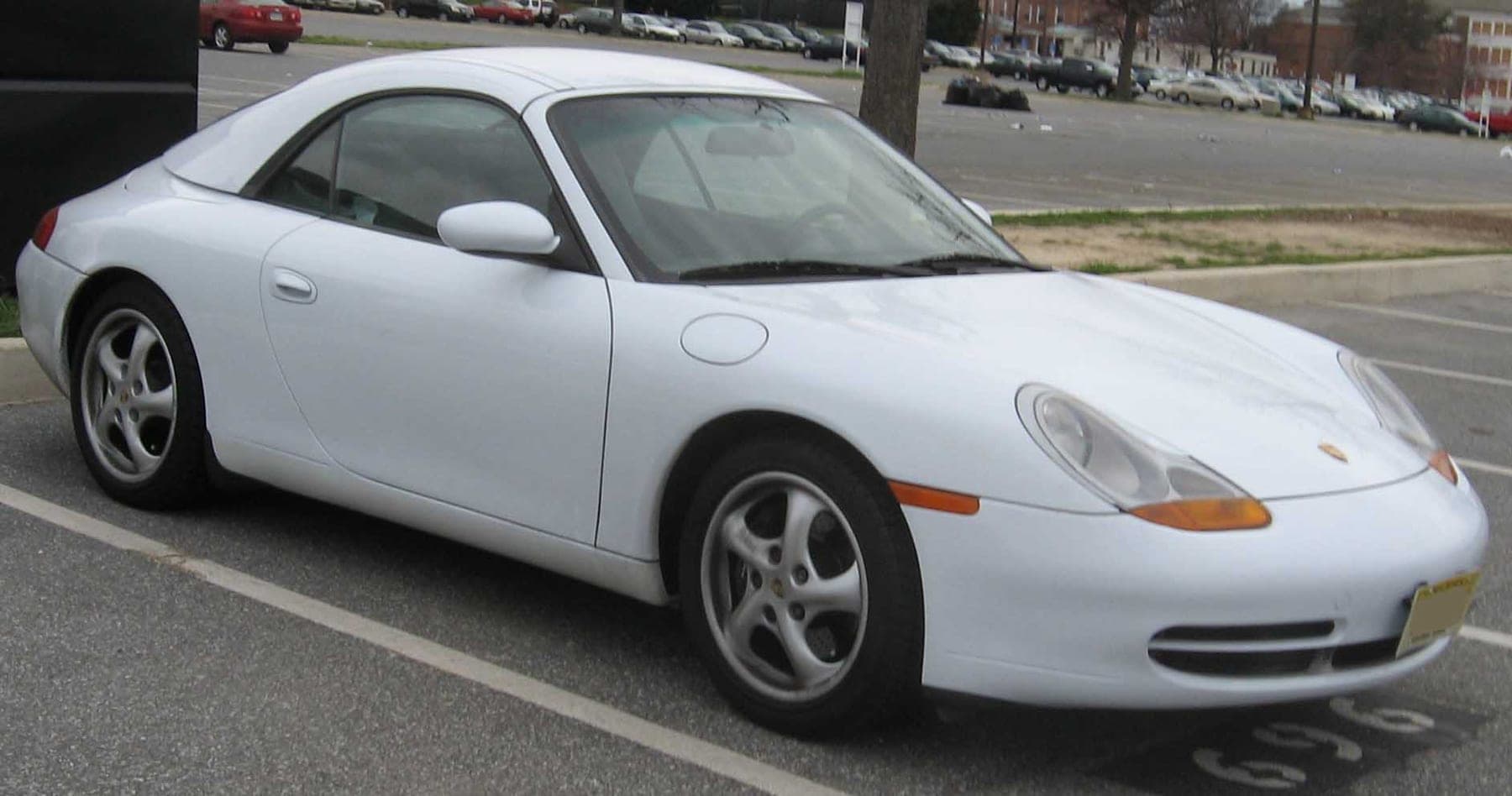
The equipment story should identify the original drivetrain, chassis format, major factory packages, and cabin hardware before modifications or seller-added features enter the discussion. Porsche 911 model archive: type 996 anchors the model context; the build record anchors the individual car.
Factory character
The factory details buyers are actually trying to keep intact
Engine focus
The motor that defines the whole equipment story
Core factory specification
Engine
3.4L / 3.6L water-cooled flat-six. This is part of the factory specification buyers should verify when separating comparable Porsche 996 911 examples.
Power
296-320 hp Carrera range. This is part of the factory specification buyers should verify when separating comparable Porsche 996 911 examples.
Transmission
6-speed manual / 5-speed Tiptronic. This is part of the factory specification buyers should verify when separating comparable Porsche 996 911 examples.
Layout
Rear-engine, rear- or all-wheel drive. This is part of the factory specification buyers should verify when separating comparable Porsche 996 911 examples.
Equipment buyers should verify
Factory identity
Identify 996.1 versus 996.2, Carrera versus Carrera 4/4S, and coupe, cabriolet, or Targa before using comps.
Chassis and controls
Verify manual versus Tiptronic, factory aerokit, wheel design, sport seats, and option-sticker codes.
Cabin and trim
Document IMS strategy, rear-main-seal history, cooling-system work, and any bore-scoring inspection findings.
Retained hardware
Check that lighting, bumpers, interior trim, radio, wheels, and suspension remain generation-correct or are reversible.
Documentation signals
Strong evidence
Specialist invoices and clear ownership history. Evidence of recent mechanical refreshing on driver-grade cars. Honest disclosure around paint, interior wear, and modifications.
Reasons for caution
Cheap-entry pricing paired with no recent service detail. Seller flattening all 996s into one value lane. Thin records on a supposedly exceptional car.