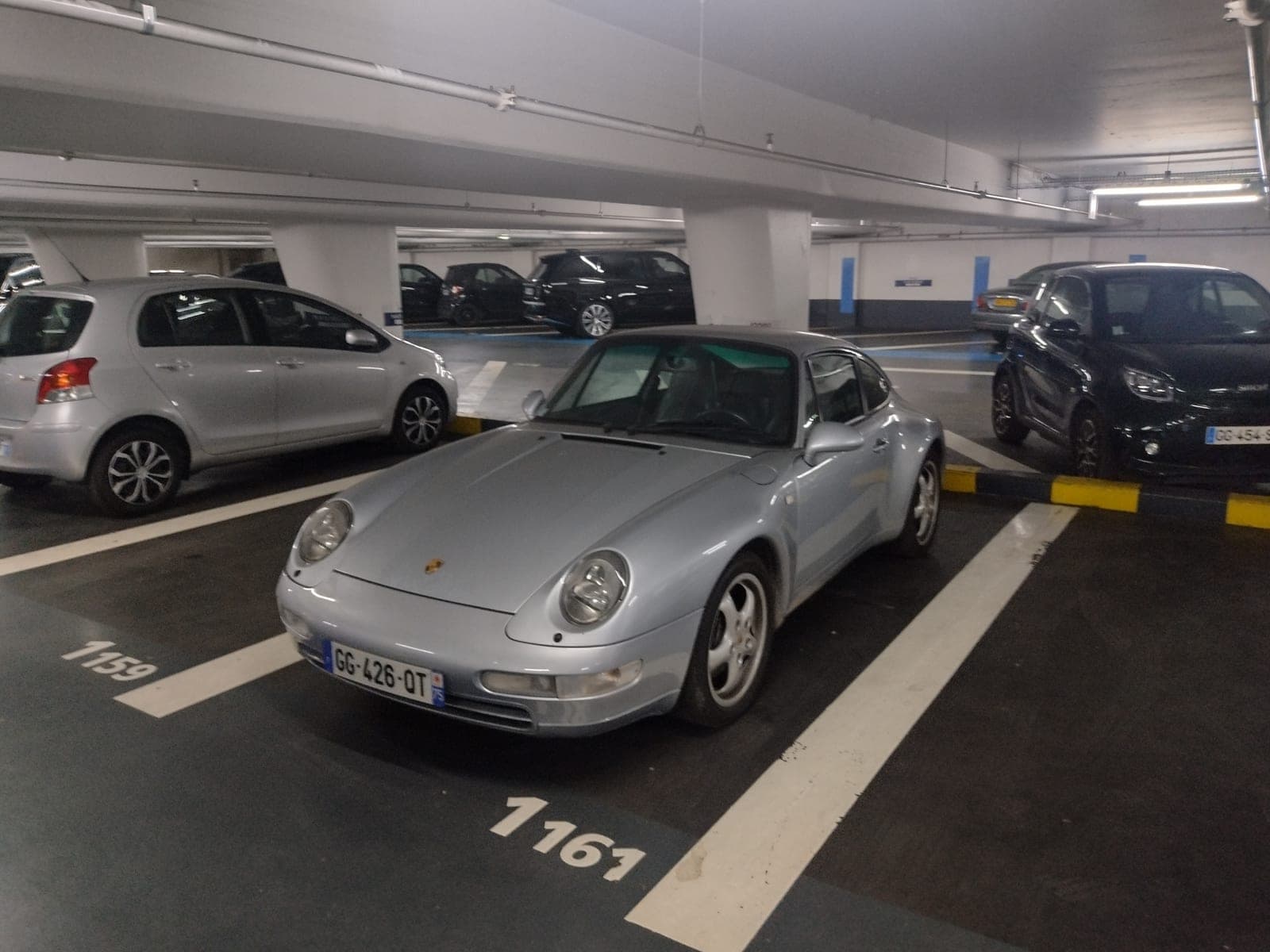
Factory character
The factory details buyers are actually trying to keep intact
Factory Equipment
The equipment story should identify the original drivetrain, chassis format, major factory packages, and cabin hardware before modifications or seller-added features enter the discussion. Porsche 911 model archive: type 993 anchors the model context; the build record anchors the individual car.
Factory character
The factory details buyers are actually trying to keep intact
Engine focus
The motor that defines the whole equipment story
Core factory specification
Engine
3.6L air-cooled flat-six. This is part of the factory specification buyers should verify when separating comparable Porsche 993 911 examples.
Power
272-282 hp Carrera range. This is part of the factory specification buyers should verify when separating comparable Porsche 993 911 examples.
Transmission
6-speed manual / automatic. This is part of the factory specification buyers should verify when separating comparable Porsche 993 911 examples.
Layout
Rear-engine, rear- or all-wheel drive. This is part of the factory specification buyers should verify when separating comparable Porsche 993 911 examples.
Equipment buyers should verify
Factory identity
Confirm Carrera, Carrera 4, Targa, Cabriolet, S, 4S, or Turbo body and driveline before comparing equipment.
Chassis and controls
Verify factory wheel style, seat type, limited-slip differential, sunroof, and option-sticker codes.
Cabin and trim
Separate 1995 engines from later Varioram cars and confirm any engine work with specialist invoices.
Retained hardware
Retain original wheels, steering wheel, radio, suspension, and exhaust when a car has reversible upgrades.
Documentation signals
Strong evidence
Long specialist service chronology and ownership continuity. Paint/body transparency with inspection evidence. Seller can explain spec, trim, and any non-OEM changes clearly.
Reasons for caution
Air-cooled premium pricing with thin records. Generic collector language replacing inspection evidence. Weak rust or paint answers on expensive cars.