Model Focus

Porsche 987 Boxster / Spyder

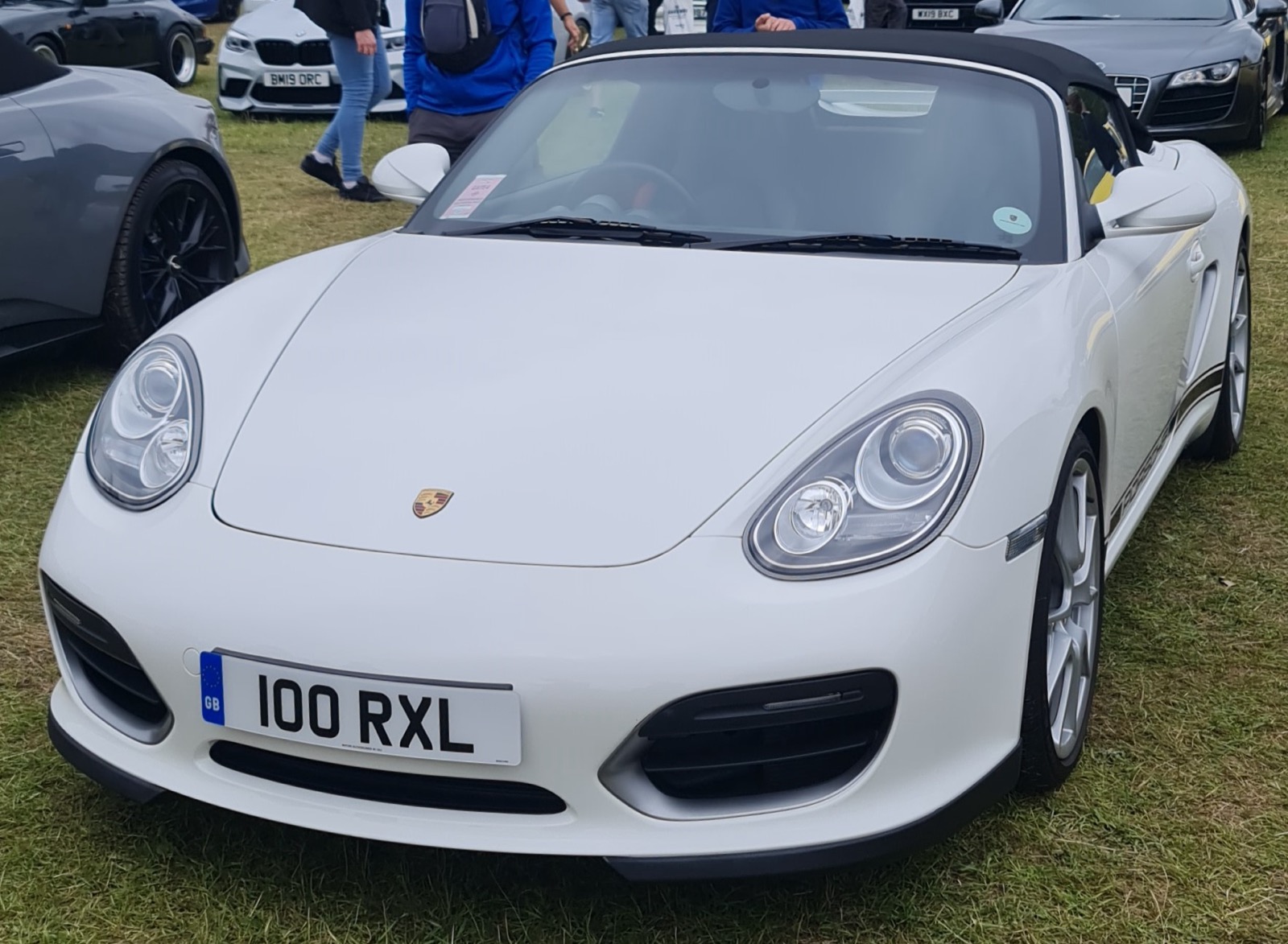
The second-generation Boxster, split between 987.1, direct-injection 987.2, and the lightweight Spyder halo.

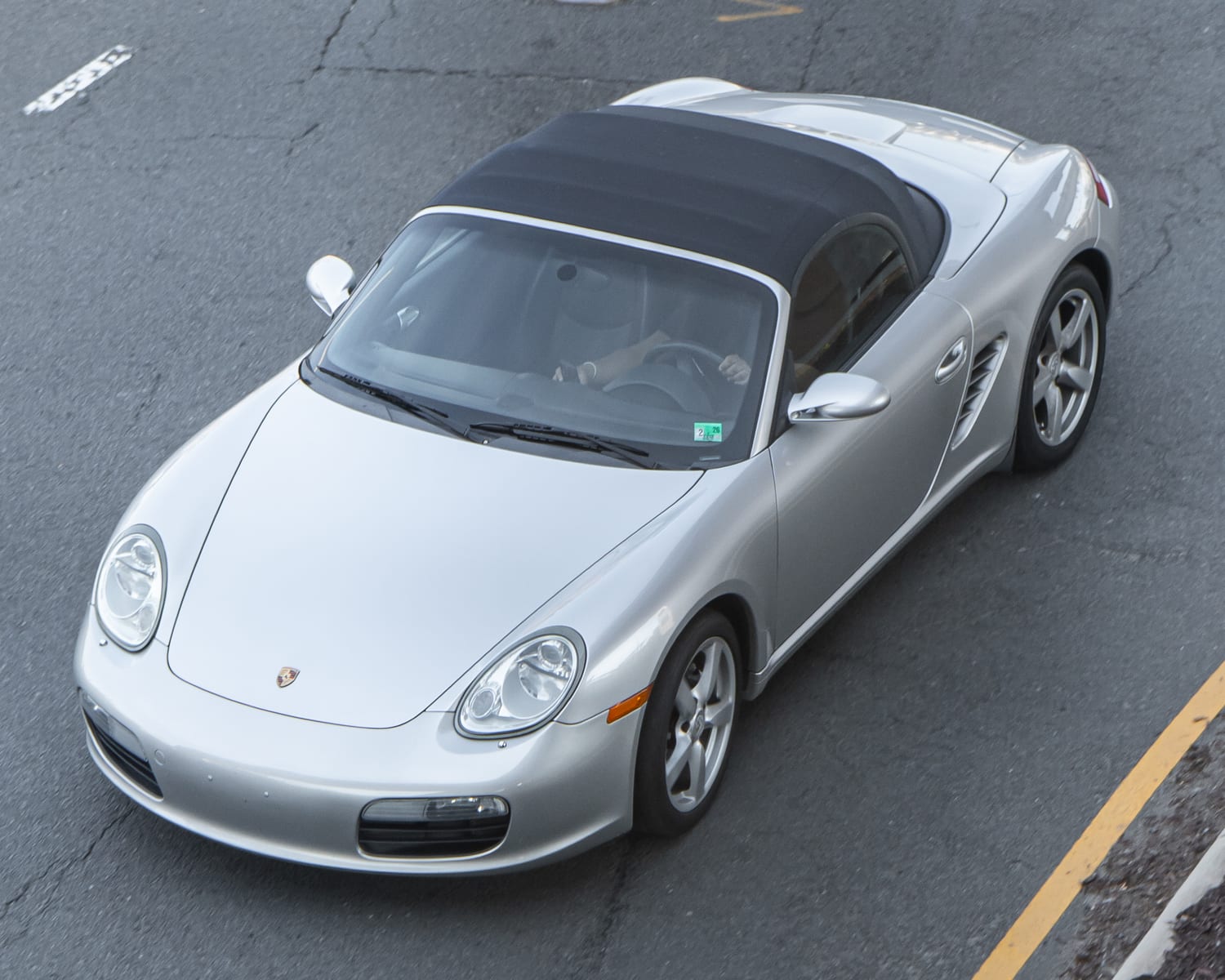
The 987 Boxster refined the original formula without losing its compact scale. Early 987.1 cars retain Tiptronic and the first engine family, 987.2 cars bring direct injection and PDK, and the 320-hp Boxster Spyder uses a lighter roof and distinct bodywork to create a collector lane of its own.

Visual details

3 shots
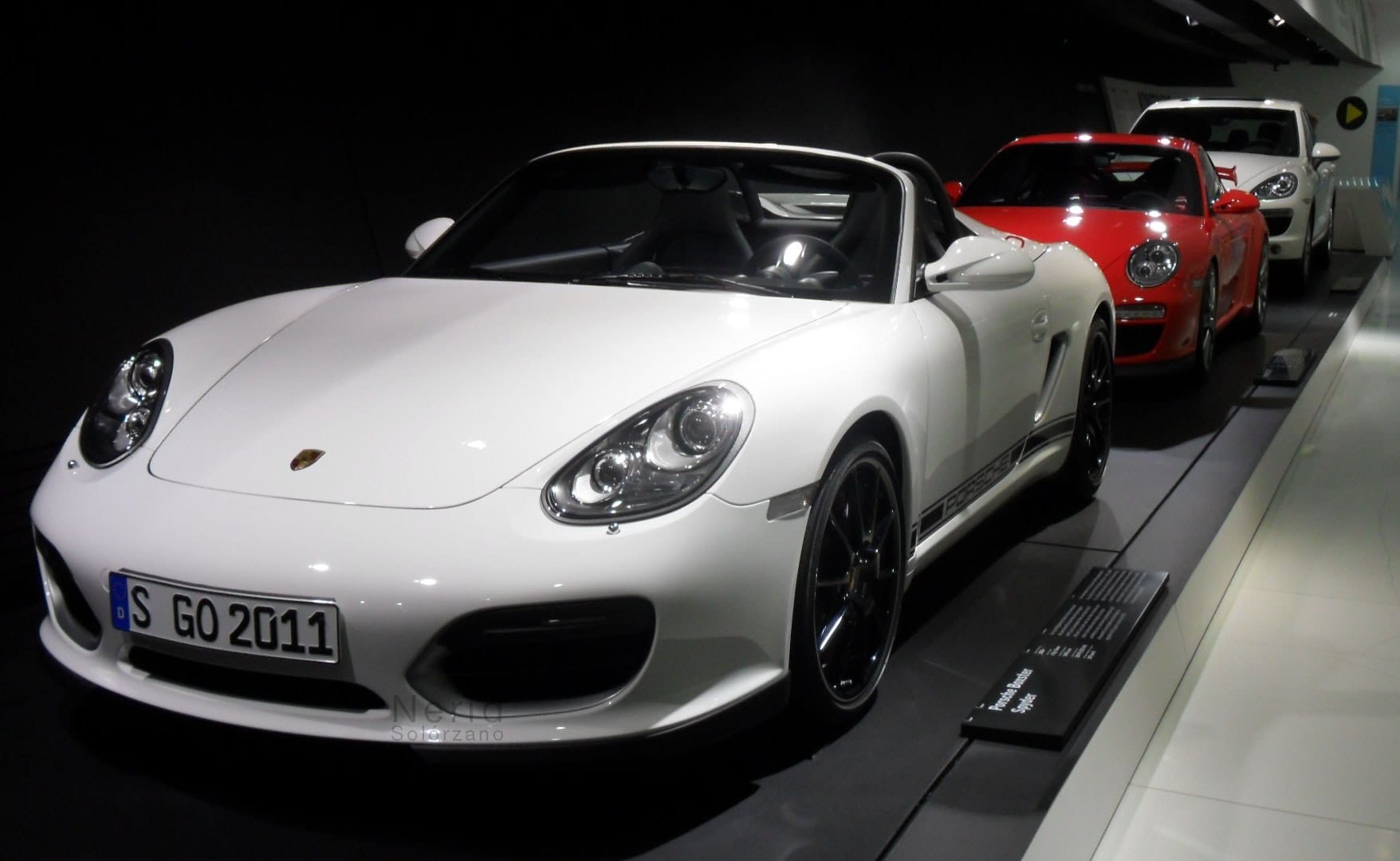
Porsche 987 Boxster Spyder front three-quarter
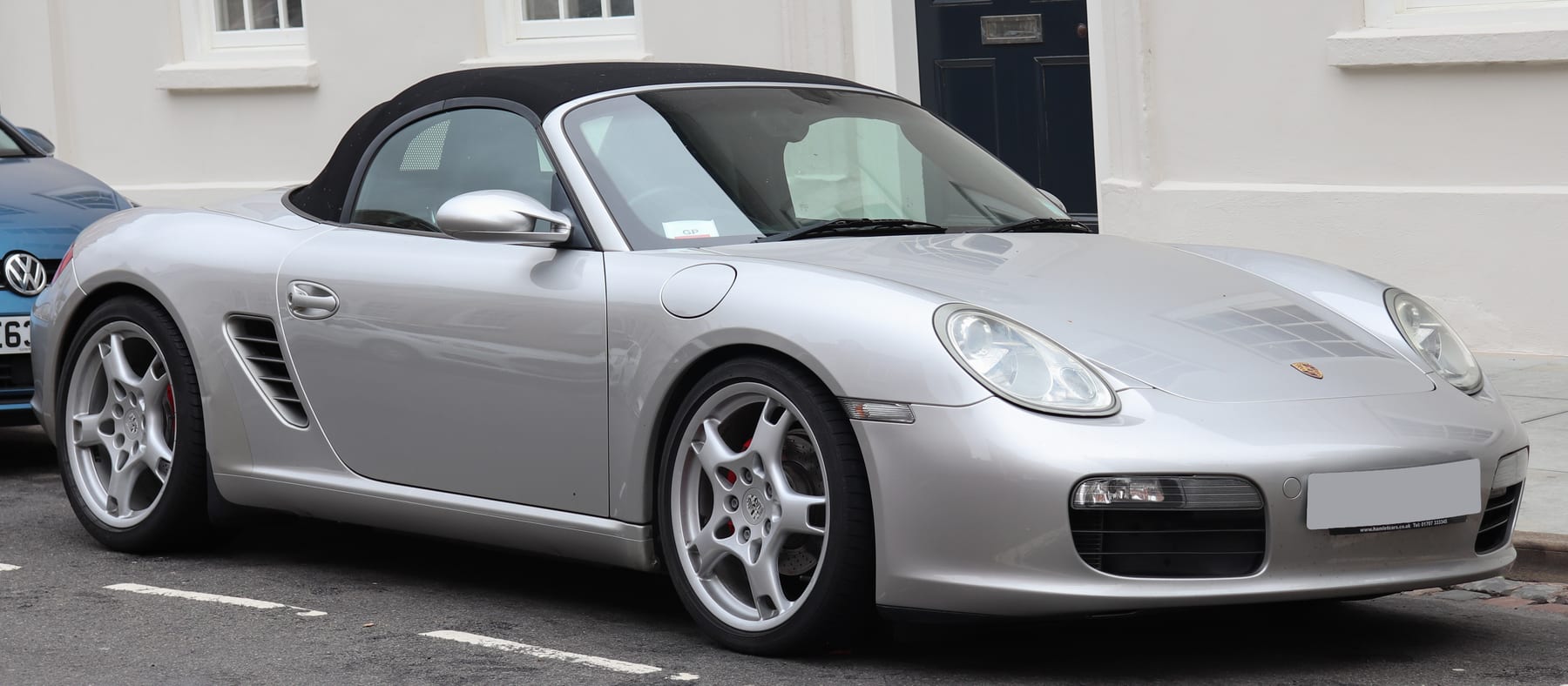
Porsche 987.1 Boxster front view
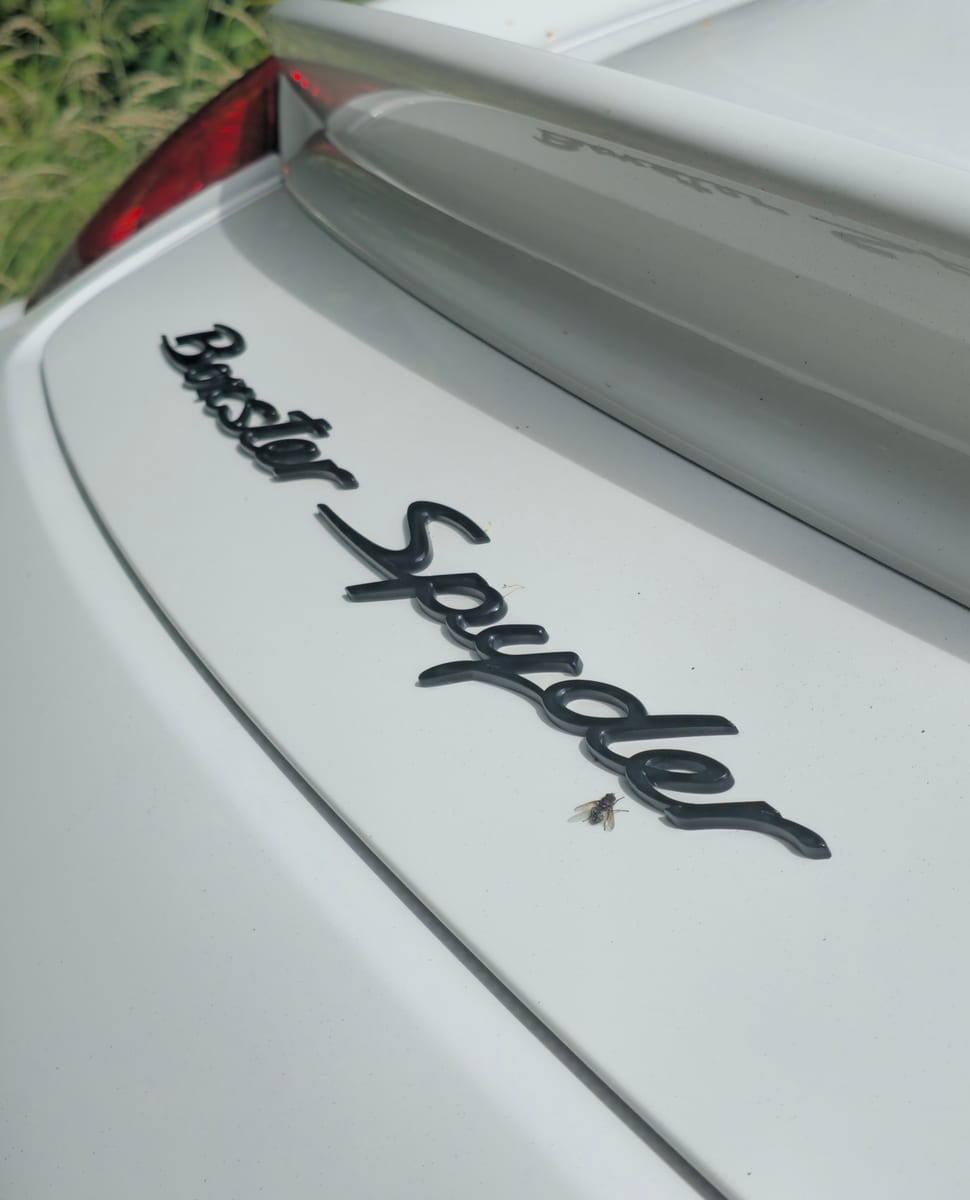
Porsche 987 Boxster Spyder rear three-quarter

Character

The second-generation Boxster, split between 987.1, direct-injection 987.2, and the lightweight Spyder halo.

Market lens

Spec, mileage, service, originality

VINthusiast

Enthusiast-first market intelligence with real ownership context

Why enthusiasts love it

  • Distinct steering, powertrain, and chassis character give the model a clear place in Porsche history.
  • The factory specification meaningfully changes how the car feels and how buyers value it.
  • Collector attention makes records, originality, and prior appearances part of the purchase decision.

Common issues

  • Listings that flatten generation, transmission, and option differences.
  • Low-mile pricing without matching service and condition evidence.
  • Aftermarket changes presented as upgrades without OEM parts or receipts.

5 key facts

The fast way to understand the car

buyer context first

Engine

2.7L, 2.9L, 3.2L, or 3.4L naturally aspirated flat-six

Transmission

5- or 6-speed manual, Tiptronic S, or 7-speed PDK

Buyer split

987.1 vs 987.2, base vs S, and 987 Boxster Spyder

Market lane

Compact modern-classic roadster

Why it matters

Spec, generation, and records change the car quickly

Porsche 987 Boxster / Spyder profile and market position

Position

Porsche 987 Boxster / Spyder needs its own buying lane

The 987 Boxster refined the original formula without losing its compact scale. Early 987.1 cars retain Tiptronic and the first engine family, 987.2 cars bring direct injection and PDK, and the 320-hp Boxster Spyder uses a lighter roof and distinct bodywork to create a collector lane of its own.

Buyer relevance now

Casual Porsche shopping often collapses very different cars into one badge. Establish the generation, drivetrain, and equipment story before comparing prices.
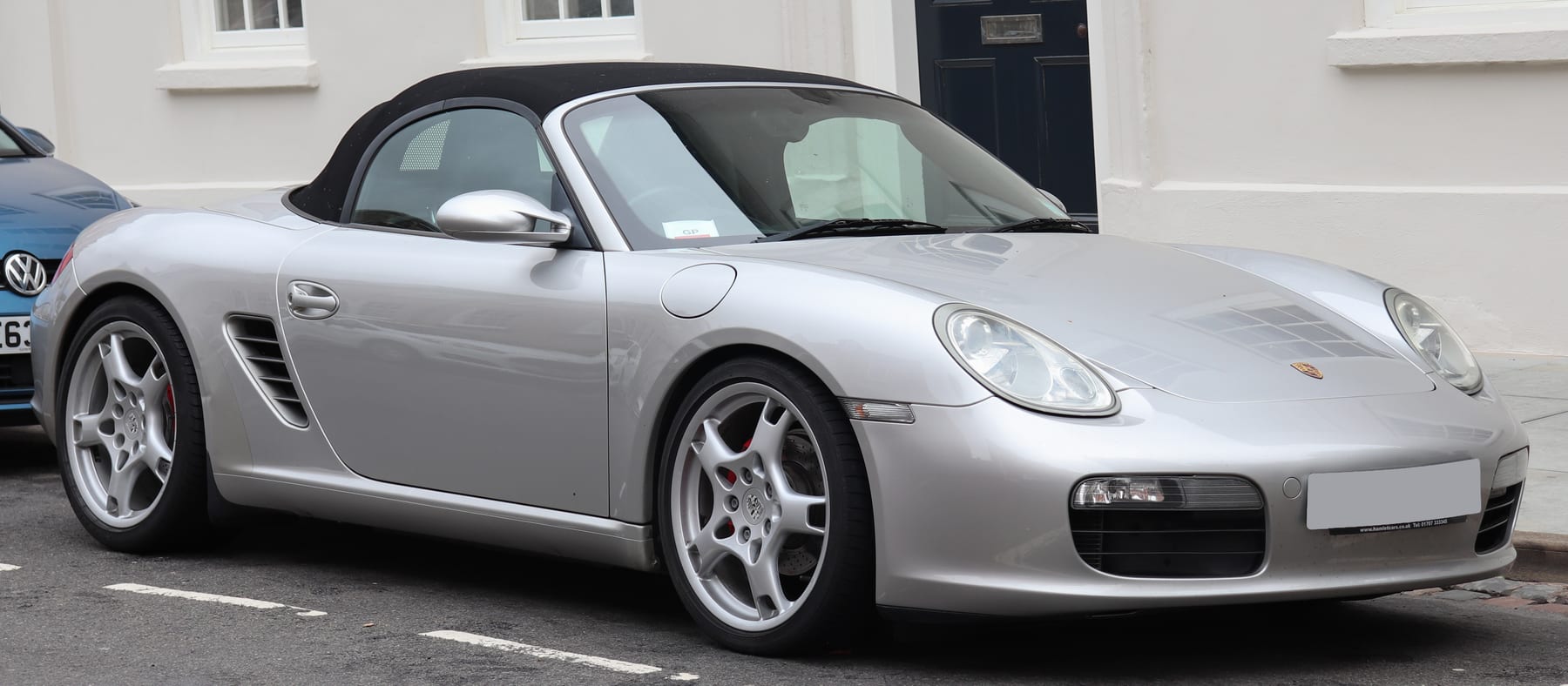
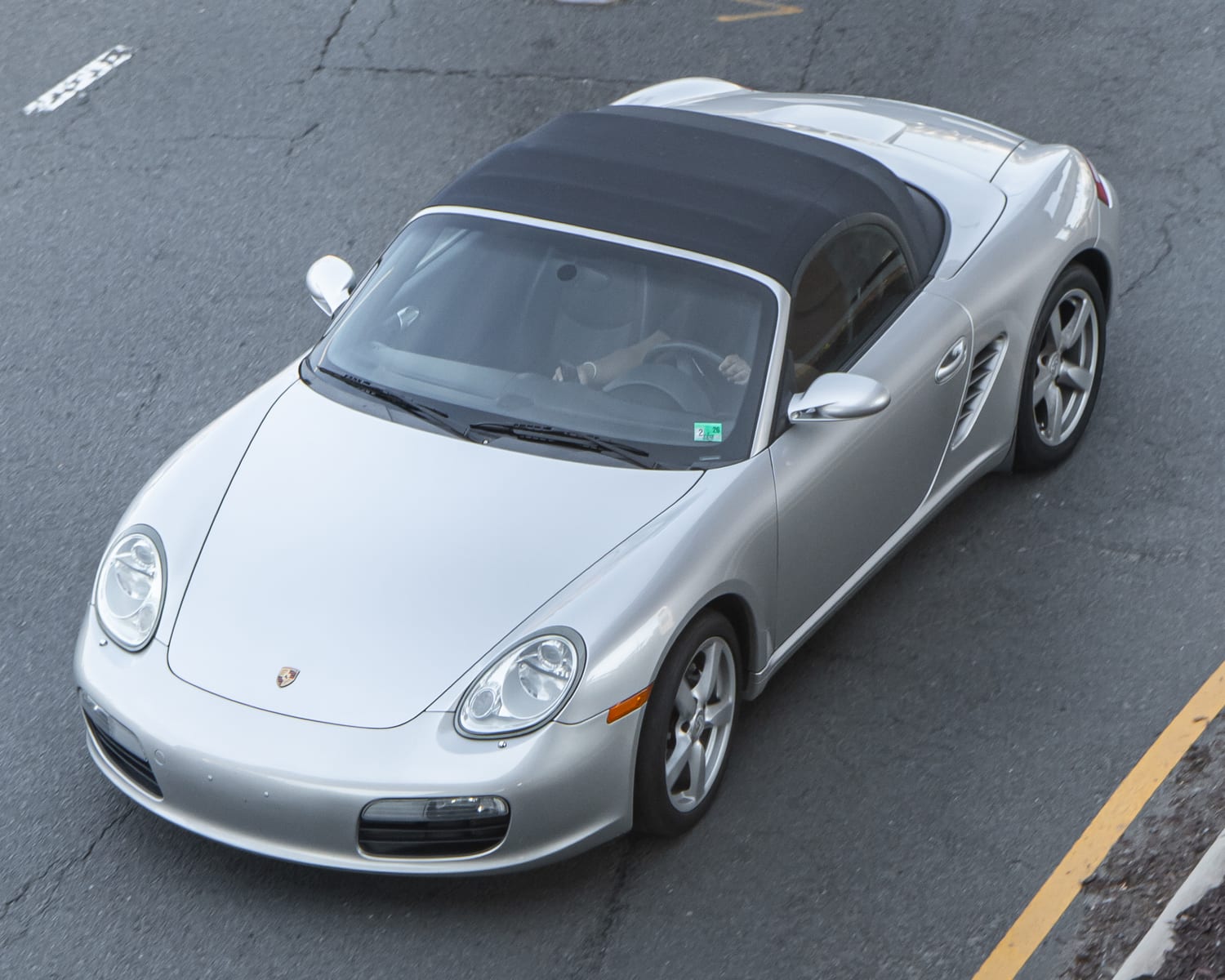
Porsche 987 Boxster / Spyder factory equipment detail

Spec logic

The options are part of the car, not decoration

Porsche buyers tend to reward cars that make sense as complete factory specs. Transmission, seats, brakes, wheels, paint, and interior trim all change whether the car feels like an enthusiast-owned example or ordinary inventory.

Buyer relevance now

A strong listing should explain the option story cleanly and show enough records to make the configuration believable. Thin dealer copy is not enough once values move beyond normal used-car territory.

Porsche 987 Boxster / Spyder buyer context view

Market read

Condition and provenance decide the serious comps

The best comps are not just the nearest year and trim. Mileage, ownership quality, paintwork, service continuity, and whether original hardware remains with the car all shape the price lane.

Buyer relevance now

Compare like with like: generation against generation, gearbox against gearbox, and documented cars against vague ones.

How to shop it

How to shop a Porsche 987 Boxster / Spyder

Start by separating the car into its correct buyer lane, then read the records and specification before trusting the asking price.

Variant lane

Do not comp unlike cars together

987.1 vs 987.2, base vs S, and 987 Boxster Spyder is the first split. Once that is clear, compare body style, transmission, mileage, and condition quality before deciding whether the price is actually aggressive or just optimistic.

Options

Factory equipment changes the read

Seats, wheels, brakes, chassis equipment, paint, and interior trim should all point to one coherent car. A great spec feels intentional instead of assembled for resale photos.

Records

The file has to support the story

Specialist invoices, ownership continuity, option documentation, paint disclosure, and recent inspection evidence matter more than a polished paragraph in the listing.

Comps

Prior appearances are market data

Repeat-sale history can reveal price drift, mileage gaps, better or worse presentation, and whether the car has been trading as a keeper or circulating as inventory.

Variant split

Porsche 987 Boxster / Spyder variant split

These buyer lanes keep meaningfully different cars from collapsing into one generic Porsche bucket.

Porsche 987.1 Boxster

Early phase

987.1 Boxster / S

Base 2.7 and S 3.2 cars need separate comps, as do manual and Tiptronic examples.

PASM, Sport Chrono, PCCB, sport seats, wheels, and full leather shape the specification read.

Pair equipment review with IMS, bore condition, cooling, top, drains, and suspension inspection.

Porsche 987.2 Boxster

DFI and PDK phase

987.2 Boxster / S

The 2.9/3.4-liter engine family and optional PDK create a different reliability and driving conversation.

Manual and PDK cars both have buyers, but should not be priced from Tiptronic-era comps.

Condition, service continuity, options, and color often outweigh small mileage differences.

Porsche 987 Boxster Spyder

Lightweight halo

Boxster Spyder

The 320-hp Spyder has unique rear-deck bodywork, a manual fabric roof, and a distinct lightweight specification.

Confirm the complete roof, storage pieces, Spyder wheels, seats, door pulls, and original trim.

Manual and PDK examples are both legitimate; condition and complete hardware are crucial to value.

Color guide

Palette, interior trims, and original brochure context

The dedicated guide is where the brochure-style palette work lives: exterior colors, interior trims, notable combinations, and the original factory brochure when we have it.

That matters because buyers rarely compare cars as blank used inventory. They compare them against the factory identity they already have in their head.

Signature details

Small visual details that define the car

3 details
Porsche 987 Boxster Spyder roof and rear deck

Detail 1

Porsche 987 Boxster Spyder roof and rear deck

Porsche 987 Boxster roadster profile

Detail 2

Porsche 987 Boxster roadster profile

Porsche 987 Boxster Spyder market reference

Detail 3

Porsche 987 Boxster Spyder market reference

Model History

Why Porsche 987 Boxster / Spyder matters

Porsche 987 Boxster / Spyder occupies a distinct Porsche market lane rather than a single interchangeable search bucket.

Generation, specification, condition, and documentation separate serious enthusiast examples from ordinary dealer inventory.

Technical Specs

Key numbers and layout

Porsche 987 Boxster Spyder roof and rear deck

Engine

2.7L, 2.9L, 3.2L, or 3.4L naturally aspirated flat-six

Power

240-320 hp depending on phase, trim, and Spyder

Transmission

5- or 6-speed manual, Tiptronic S, or 7-speed PDK

Layout

Mid-engine, rear-wheel drive

Equipment Checklist

Factory equipment and options matter too

Start with the original drivetrain, chassis, and cabin specification, then verify the options that distinguish otherwise similar cars. The factory-equipment guide focuses on the details that matter when comparing real examples today.

Open factory equipment guide

Separate 987.1 and 987.2, base and S, manual, Tiptronic or PDK, and ordinary Boxster from Boxster Spyder.

Verify PASM, Sport Chrono, PCCB, sport exhaust, seats, wheels, full leather, audio, and factory color documentation.

On a Spyder, confirm the complete lightweight roof, storage pieces, rear-deck hardware, Spyder wheels, door pulls, and trim.

Review over-rev or PDK data, cooling and engine health, top drains, suspension, brakes, tires, paintwork, and retained OEM parts.

Production context

Production context for real buyers

Exact production totals vary by market and body style. For buyers, generation, drivetrain, transmission, and option quality decide the useful comparison set.

Engine

2.7L, 2.9L, 3.2L, or 3.4L naturally aspirated flat-six

Transmission

5- or 6-speed manual, Tiptronic S, or 7-speed PDK

Market lane

Compact modern-classic roadster

Buyer Checklist

What to verify before buying

1

Start with generation and variant, then compare condition and records.

2

Review paintwork, service file, tire/brake age, and ownership continuity.

3

Do not pay top-lane money for a car with vague spec or weak documentation.

Service Cadence

What well-serviced looks like

Annual oil service and mileage-based Porsche specialist maintenance.

Brake, tire, suspension, cooling, and clutch/PDK condition should be checked before purchase.

PPI should include paint meter readings and underside/chassis review on expensive examples.

Buyer Confidence

What makes the story easier to trust

Good signs

Original option documentation and clear factory-equipment story.

Consistent Porsche dealer or specialist invoices.

Honest disclosure around paint, ownership, modifications, and prior sales.

Watch closely

Generic 911 copy with no generation-specific detail.

Missing records on a car priced like a top-tier example.

Modified hardware without OEM parts, receipts, or a clear reason.

CARFAX / service-file lens

A clean history report is helpful, but it is not enough on its own. The buyers who pay strong money for this model want service cadence, specialist invoices, and proof that the expensive known items were addressed at believable mileage intervals.

Current Listings

Active inventory for Porsche 987 Boxster / Spyder

0 cars