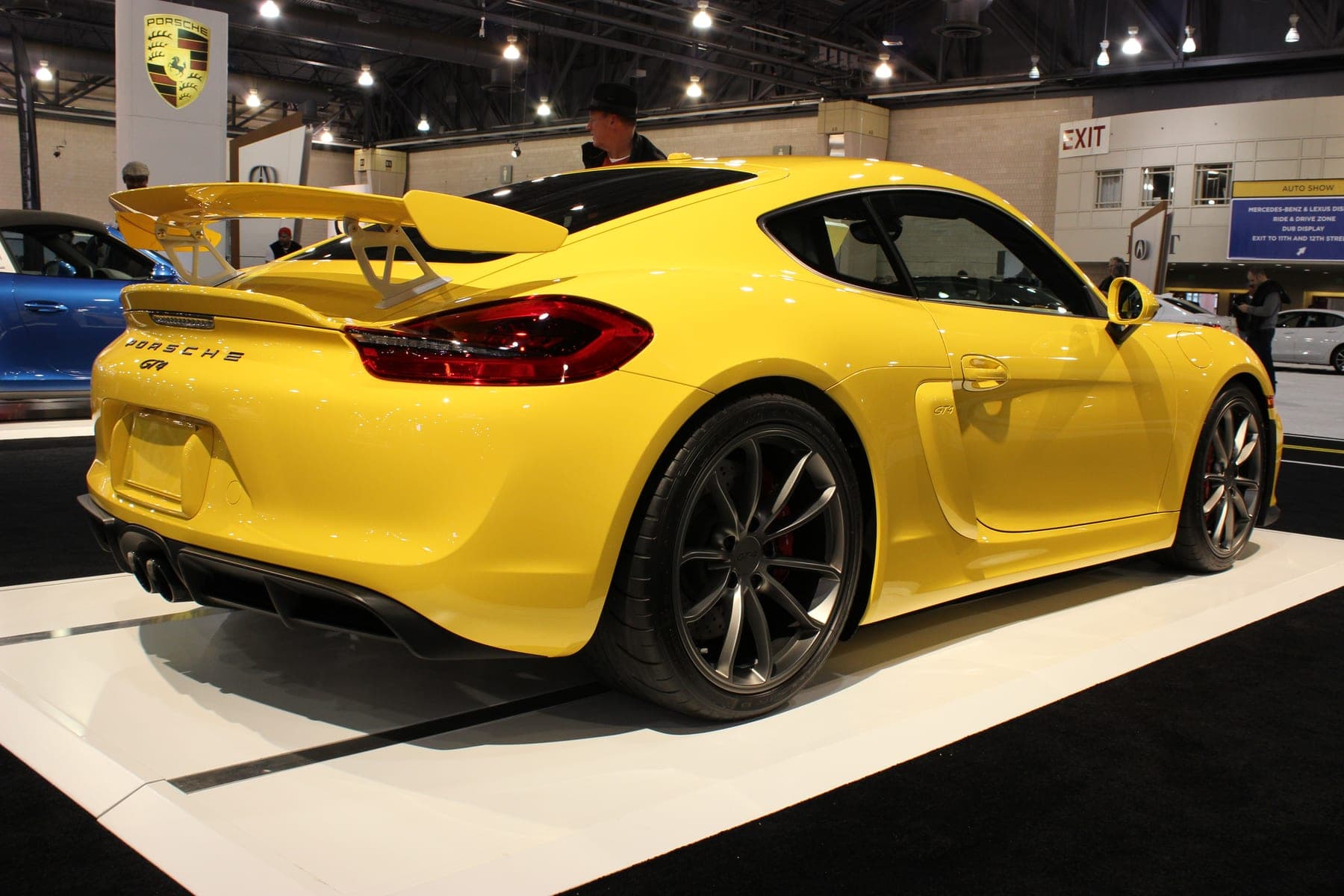
Factory character
The factory details buyers are actually trying to keep intact
Factory Equipment
The equipment story should identify the original drivetrain, chassis format, major factory packages, and cabin hardware before modifications or seller-added features enter the discussion. Porsche Cayman GT4 launch information anchors the model context; the build record anchors the individual car.
Factory character
The factory details buyers are actually trying to keep intact
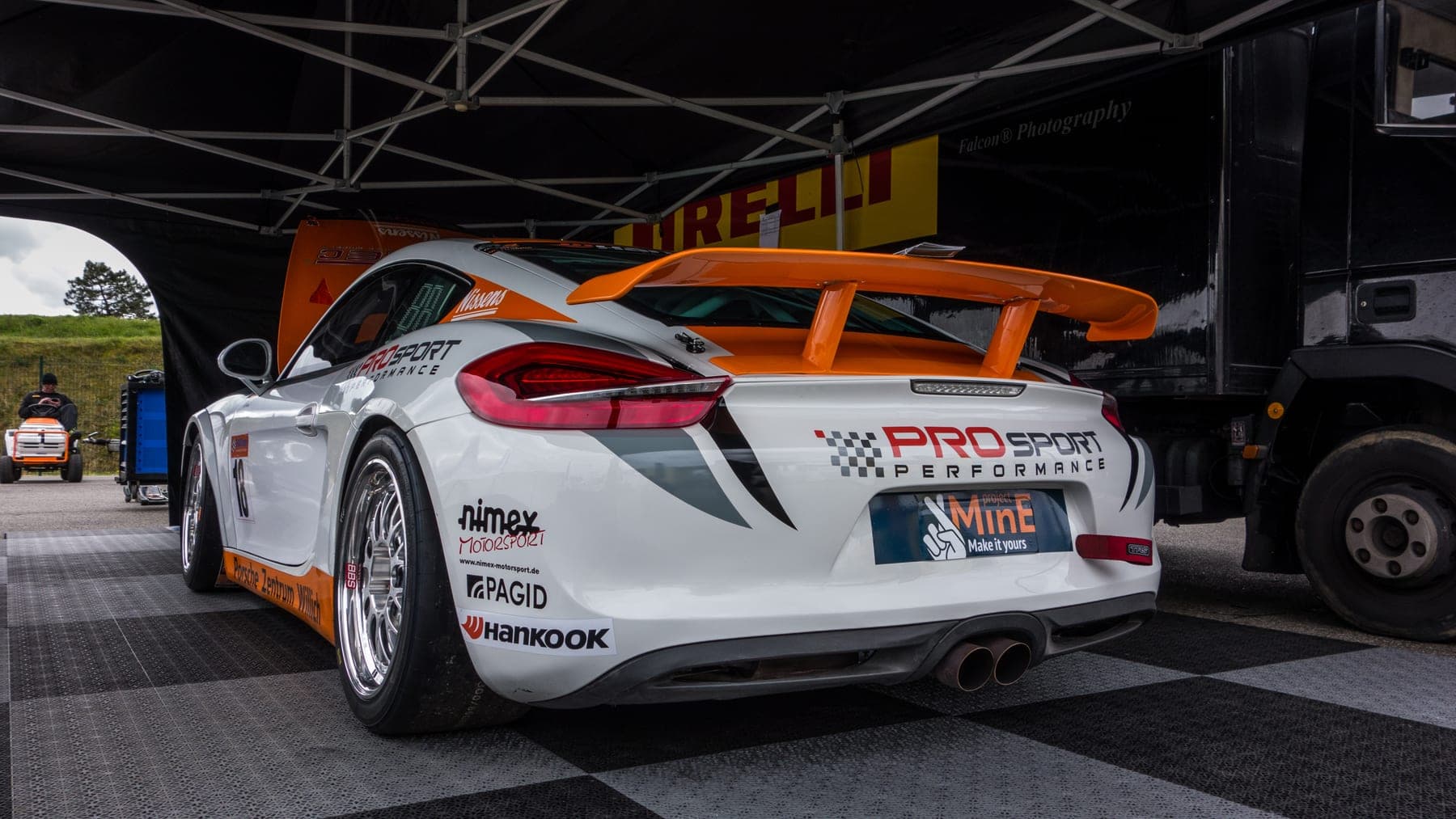
Engine focus
The motor that defines the whole equipment story
Core factory specification
Engine
3.8L naturally aspirated flat-six. This is part of the factory specification buyers should verify when separating comparable Porsche 981 Cayman GT4 examples.
Power
385 hp. This is part of the factory specification buyers should verify when separating comparable Porsche 981 Cayman GT4 examples.
Transmission
6-speed manual. This is part of the factory specification buyers should verify when separating comparable Porsche 981 Cayman GT4 examples.
Layout
Mid-engine, rear-wheel drive. This is part of the factory specification buyers should verify when separating comparable Porsche 981 Cayman GT4 examples.
Equipment buyers should verify
Factory identity
Verify fixed-back buckets or adaptive seats, PCCB or steel brakes, Sport Chrono, and extended-range fuel tank.
Chassis and controls
Confirm original GT4 wheels, front splitter, rear wing, suspension, exhaust, and retained OEM parts.
Cabin and trim
Review over-rev data, clutch and gearbox condition, brake wear, alignment history, and track use.
Retained hardware
Use the option sticker or build sheet to distinguish a coherent factory specification from later cosmetic additions.
Documentation signals
Strong evidence
Specialist care and consumables history. Transparent track-use or driver-use narrative. PPI confirming aero, chassis, and brake correctness.
Reasons for caution
Dealer-marketed rarity language without records. Wheel, brake, or suspension changes with no OEM return path. Overheated low-mileage pricing on average-condition cars.