Factory character
The factory details buyers are actually trying to keep intact
Factory Equipment
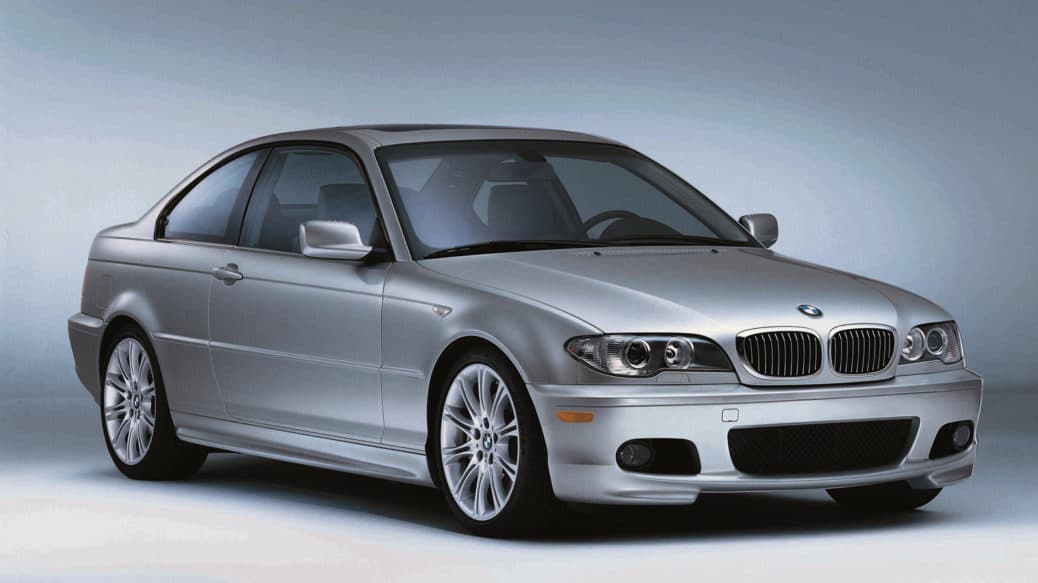
ZHP is option code 767, not a loose appearance theme. The package combines engine tuning, suspension and steering changes, aerodynamic pieces, Shadowline trim, an anthracite headliner, Style 135M wheels, and package-specific cabin trim.
Factory character
The factory details buyers are actually trying to keep intact
Engine focus
The motor that defines the whole equipment story
Performance Package hardware
M54 performance tune
Revised camshafts and engine management raise output to 235 hp and give a genuine ZHP its distinct powertrain specification.
Sport suspension and steering
Package-specific suspension and a quicker steering rack are part of the factory behavior buyers expect.
Style 135M wheels
Staggered 18-inch Style 135M wheels are a primary visual identifier, though wheel presence alone never authenticates a ZHP.
Exterior and cabin
M aerodynamic package
Factory front and rear aerodynamic pieces, Shadowline trim, and the correct stance distinguish the package from an ordinary sport-package 330.
Anthracite headliner
The dark headliner, M steering wheel, red gauge needles, and cube trim create the recognizable ZHP cabin.
Black or silver cube trim
Black cube was standard and silver cube optional; condition and originality matter because damaged trim is frequently replaced.